

Waymo leads a fascinating yet complex transition in urban transportation, as robotaxis redefine autonomy with persistent challenges. Explore deeper patterns of automation and infrastructure evolution.
Robotaxis have captured the imagination of the public and industry visionaries alike, often seen cruising the streets of cities like San Francisco and Phoenix. However, the current state of autonomous vehicle deployment is far more complex than the mere presence of driverless cars might suggest. Although these vehicles have indeed arrived, their permanence remains uncertain, contingent on overcoming critical operational challenges.
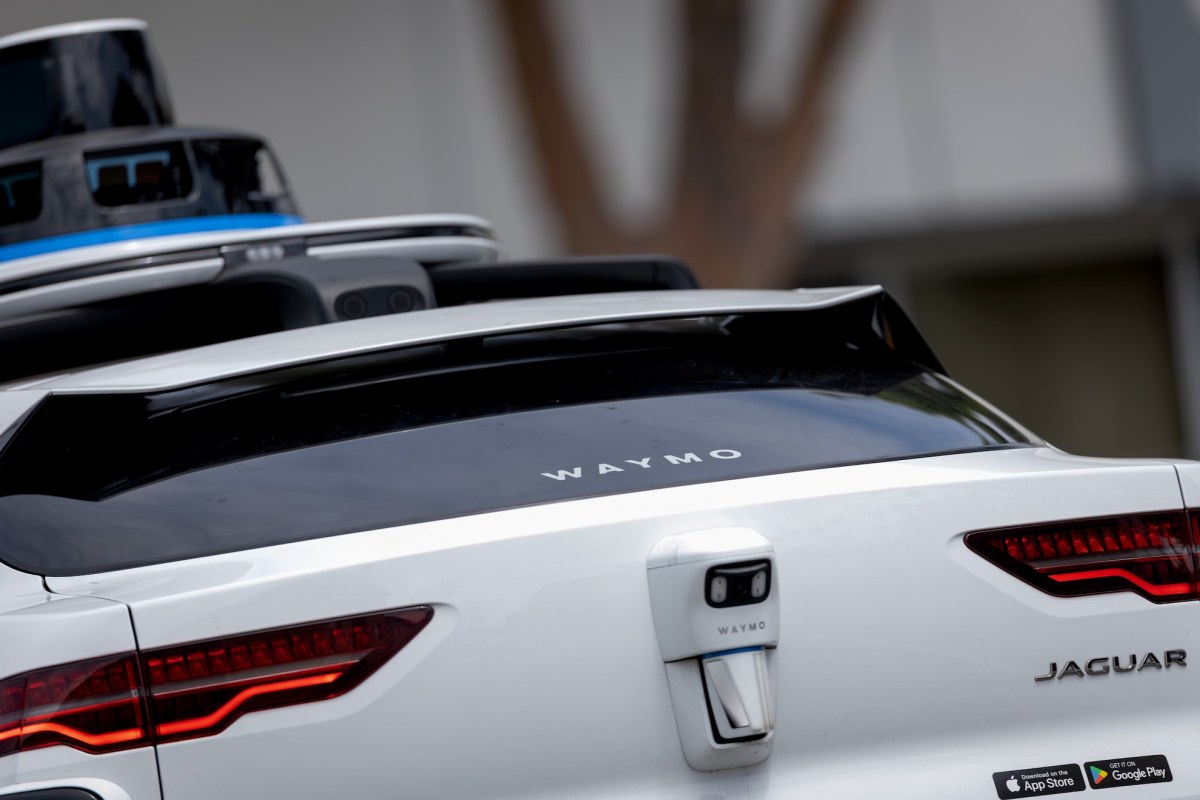
Waymo, a leading figure in the commercial deployment of robotaxis, illustrates this point vividly. The company has encountered persistent issues related to dynamic weather conditions, specifically heavy rain and flooding, which have forced it to suspend operations across several major cities like Atlanta and Dallas. Even in more controlled environments, such as highways in San Francisco, Los Angeles, and other metropolitan areas, construction zones present non-trivial challenges that require ongoing software navigation improvements.
Systemic Challenges and Edge Cases
The journey to fully autonomous vehicles involves navigating an intricate web of technological, environmental, and regulatory hurdles. Each city Waymo enters unravels new edge cases, prompting reevaluations of strategy and software adjustments. The paradox of robotaxis—being present yet not fully realized—underscores the iterative nature of innovation within this domain.
Rain, for instance, is a seemingly mundane element of nature but poses a significant obstacle to autonomous technology. The limitations of current sensor technologies and AI decision-making algorithms become apparent when these vehicles must determine when to retreat from flooded roads. Each setback serves as a learning point, magnifying the need for enhanced machine learning models capable of recognizing complex urban scenarios.
Infrastructure and Automation Patterns
As Waymo adapts its robotaxi strategies, it reflects a broader shift in urban infrastructure and transportation systems. The deployment of autonomous vehicles represents a move from manually controlled to software-regulated transit systems. This transition not only promises to reduce human error but also aims to optimize urban flow and reduce congestion, provided the infrastructure evolves in harmony.
Waymo’s strategic recalibration towards safer deployment environments signifies the inevitable co-dependence of autonomous systems and city infrastructure. The interplay between technology limitations and urban demands highlights an ongoing evolution—transforming not just the vehicles, but the very roads and traffic patterns they navigate.
Behavioral Signal: Human Adaptation to Robotaxis
The introduction of robotaxis into urban landscapes signals more than just a technological marvel; it represents a shift in human-machine interaction. The adaptation process involves a recalibration of societal trust, expectations on reliability, and the legal frameworks that govern such vehicles. Cities must adapt by integrating systems that accommodate and support the safe and efficient operation of autonomous fleets.
Waymo’s obstacles in cities underscore a key psychological and infrastructural barrier: the transition from human to machine governance in public transportation. This transitional phase involves synchronizing technological capabilities with human reliance and regulatory readiness, fostering a cohesive environment for automation to thrive.
Signal Assessment: The Path Forward
Despite the current challenges faced by Waymo and its peers, the trajectory towards a more automated future remains steadfast. The iterative cycle of deployment, feedback, and adjustment reflects the resilience required to navigate this complex landscape successfully. Waymo’s experience serves as a crucial learning platform not only for itself but for the entire industry, as it seeks to harmonize technologically advanced systems with multifaceted urban environments.
Ultimately, the conditional arrival of robotaxis is less a setback and more a testament to the ongoing synthesis of technology, infrastructure, and human behavior. The evolution of these systems continues to be monitored, with every operational pause serving as data for future innovation.
The integration of robotaxis into daily life calls for persistent innovation and adaptability. While current deployments face obstacles, the potential benefits of reduced human error and optimized transportation systems offer a promising glimpse into the future of urban mobility.
Monitoring continues.