
The U.S. has confirmed China’s possession of a space plane akin to the X-37B, revealing the deepening rivalry in military space tech.
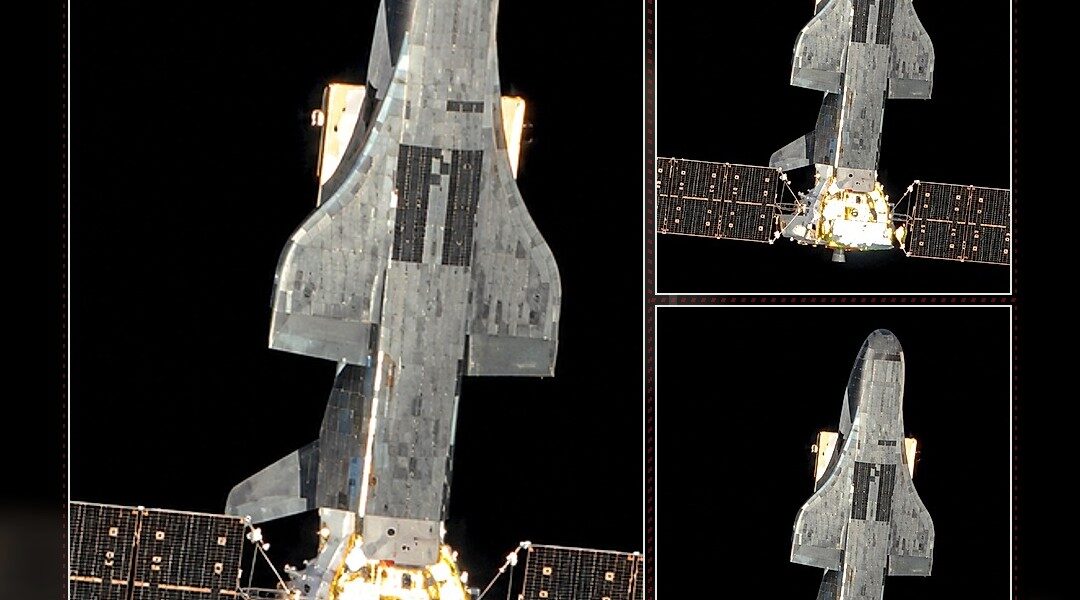
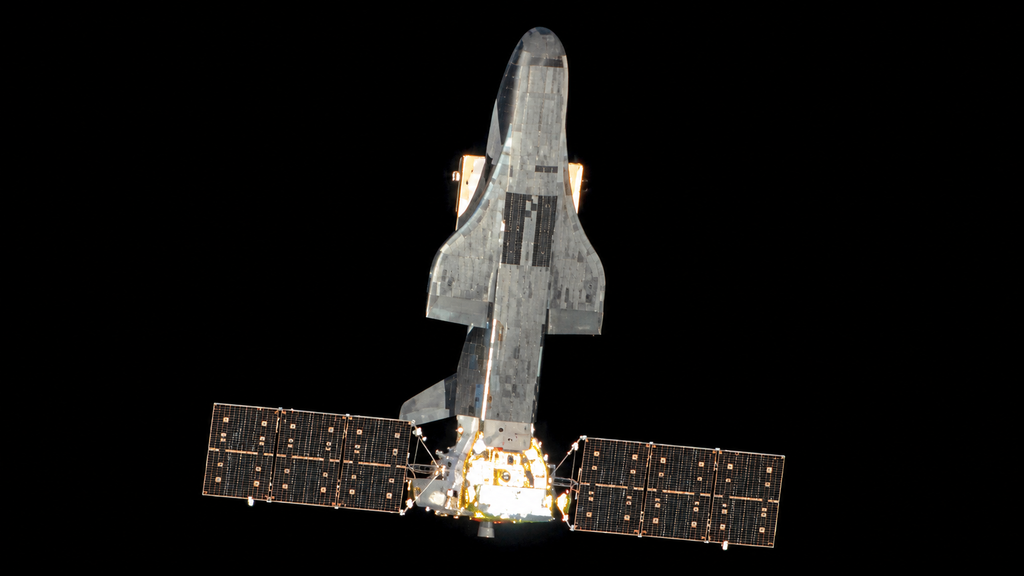
For years, an enigmatic photograph taken from space kept U.S. intelligence on edge, stirring conjecture and speculation. The image depicted a covert Chinese space vehicle whose resemblance to the U.S.’s X-37B was uncanny. Now, the veil of mystery has been lifted: the U.S. Defense Intelligence Agency has confirmed the vehicle as an advanced Chinese space plane, illuminating a new chapter in the escalating space race between the two superpowers.
Decades of Speculation, A Sudden Revelation
The intrigue began in 2024 when Colonel John Patrick, then an officer in the U.S. Space Force stationed in South Korea, presented a blurred snapshot of a vehicle in orbit. Speculation swirled about its origins — was it a Chinese creation or one of the U.S.’s own X-37B crafts? The evasiveness of the Space Force and the satellite company, Maxar, only fueled the uncertainty.
This photograph floated in a sea of doubts until recently when the DIA released a high-resolution version, finally identifying it as a Chinese asset. This craft’s design closely mirrors that of the X-37B, though its wings differ slightly in geometry, underscoring China’s adeptness in adopting and adapting sophisticated military technology.
System-Level Shift: Space Infrastructure Transformation
This confirmation isn’t just a data point; it represents a significant shift in space military infrastructure. China’s space plane can place objects in orbit, conduct experiments, and return to Earth for future use. This capability embodies a strategic leap, enabling multifaceted operations from intelligence gathering to potential counter-satellite maneuvers.
The photograph taken by a WorldView-3 satellite —at less than 90 kilometers from the Chinese vehicle— reveals a second smaller satellite attached. This discovery highlights the advanced surveillance and potential intelligence functions these planes could serve, enhancing both military maneuverability and unpredictability in orbital strategies.
A Silent Race: The Strategic Implications
Since 2020, China has executed multiple missions with similar space vehicles. The mission between December 2023 and September 2024, lasting nine months, involved the deployment of mysterious objects, with their purpose still under wraps. Such technological endeavors signify China’s relentless push towards achieving parity or even surpassing U.S. capabilities in space.
The competition isn’t solely about technological supremacy; it’s about operational dominance. Reusable space planes can deploy satellites rapidly, reposition them, and even potentially disable adversarial technologies, casting a daunting shadow on international security.
Broader Impact on Infrastructure Security
The entrance of China’s space vehicle into public knowledge marks a tectonic shift in global military infrastructure security. With both nations heavily investing in similar technologies, the possibility of more frequent and cost-effective space operations becomes plausible, intensifying the need for robust defensive measures within orbital expanse.
The capacity to monitor or interfere with satellite systems underscores the criticality of developing countermeasures. This new reality compels nations to innovate not only in offensive capabilities but also in defensive strategies to protect their orbital assets and maintain technological sovereignty.
The Path Forward: Monitoring and Adaptation
As nations like China and the U.S. pursue advanced space technologies, the consequences will ripple across political, technological, and military domains. The photograph that once hung in limbo now serves as a catalyst for intensified scrutiny and strategic adaptation in the field of space exploration and defense.
In response, the U.S. and its allies may not only accelerate their technological advancements but also revisit their strategic policies, ensuring that their space endeavors are both secured against adversarial innovations and capable of withstanding new-age threats.
Observation recorded. Signal stored.