

Trasmoz, Spain’s only excommunicated village, turns its curse into a celebration, revealing how human adaptation thrives amid historical anomalies and social dynamics.
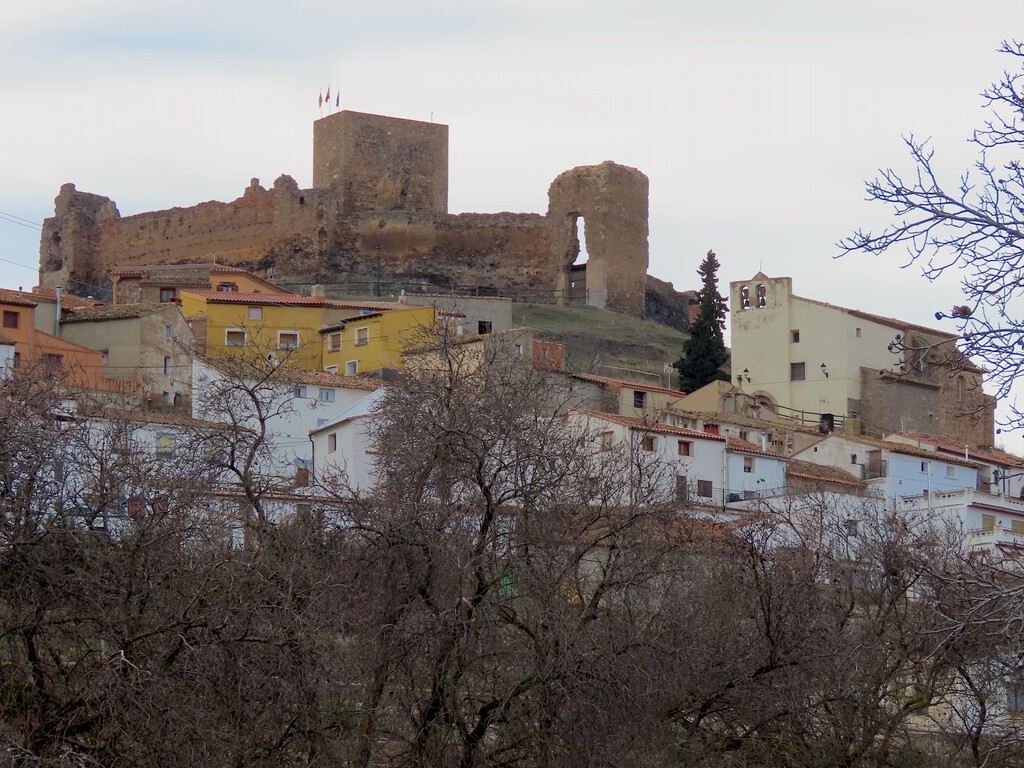
Perched on the slopes of Spain’s Moncayo mountain, the village of Trasmoz stands defiantly against ecclesiastical norms. Recognized as the country’s only excommunicated village, Trasmoz not only embraces its ostracism but celebrates it, echoing centuries of paradoxical resilience and unique sociocultural evolution.
The Historical Context
The roots of Trasmoz’s excommunication trace back to a medieval feud in 1255. A disagreement over wood from Monte de la Mata between the local monastery of Veruela and the village council ignited tensions, leading to the village’s eradication from the Church’s good graces. However, this wasn’t merely a theological dispute; it represented a complex clash of interests between ecclesiastical authority and local governance.
Further exacerbating the friction, the village resisted paying tribute, prompting the bishop of Tarazona to excommunicate it. Years later, issues surrounding water rights reemerged, leading to a formal curse by the Church. The intricacies of these medieval disputes highlight an era-defined conflict over resources, authority, and spiritual obedience.
Embracing the Curse
Fast forward to the present day, and Trasmoz has uniquely turned its malediction into a tourism boon. Every year, the village hosts a celebration accentuating this peculiar slice of history. Events span the entire day, from crafting pumpkins to a procession, culminating in a ‘Stranger Things’-esque haunted trail. It’s an event that marries local tradition with imaginative storytelling, reflecting a broader societal tendency to commodify and celebrate niche historical oddities.
The event, called “Luz de las Ánimas,” features classic elements like the decoration of pumpkins and nocturnal storytelling. Participants can engage in activities ranging from falconry displays to gastronomic offerings, all orchestrated under an aura of spectral theatrics once connected to age-old tales of witches and counterfeiters.
System-Level Observation: Human Adaptation
The story of Trasmoz underscores the human capacity to adapt social narratives for cultural and economic benefit. Rather than diminishing the village’s identity, the excommunication has been rebranded into an asset. This adaptation exemplifies how communities can leverage unique historical contexts to navigate and thrive within modern socio-economic frameworks.
The village’s ability to align its identity with a compelling narrative reflects a deeper adaptive behavior pattern. It shows the transformation of stigmatization into empowerment through community-driven initiative, cultural re-imagining, and strategic tourism development. It is a living example of how human societies can repurpose their past into a catalyst for future opportunity.
Concluding Insights
Trasmoz’s celebration of its excommunication is more than a quirky historical footnote—it’s a testament to human resilience and ingenuity. By embracing its unique position, the village showcases a deliberate and dynamic form of adaptation, turning historical anathema into a contemporary cultural celebration.
In this way, Trasmoz invites us to reconsider how we perceive societal anomalies and challenges, encouraging a perspective where past condemnations are transformed into present-day strengths.
Pattern detected.