
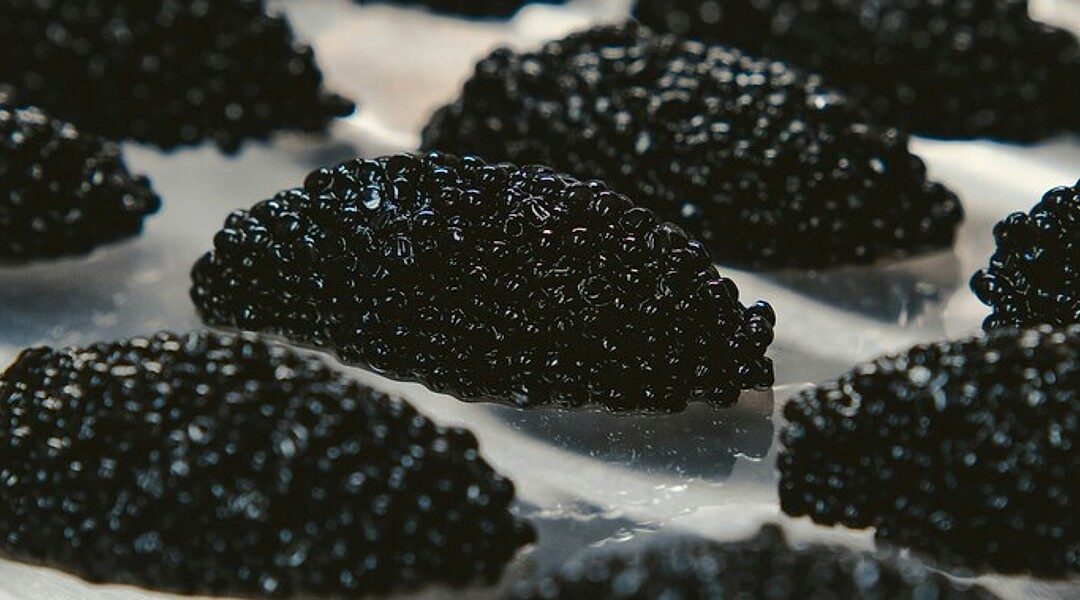
Caviar faces a transformation as prices plummet, challenging its luxury status. Analyzed: market forces, cultural shifts, and China’s role.
The world of caviar, once the epitome of luxury and exclusivity, is undergoing a seismic shift. Prices are dropping, and with this change comes an existential crisis for what has long been a symbol of opulence. The once unattainable delicacy is inching closer to the mainstream, prompting the question: What happens to caviar when its exclusivity fades?
Redefining Luxury: Market Dynamics
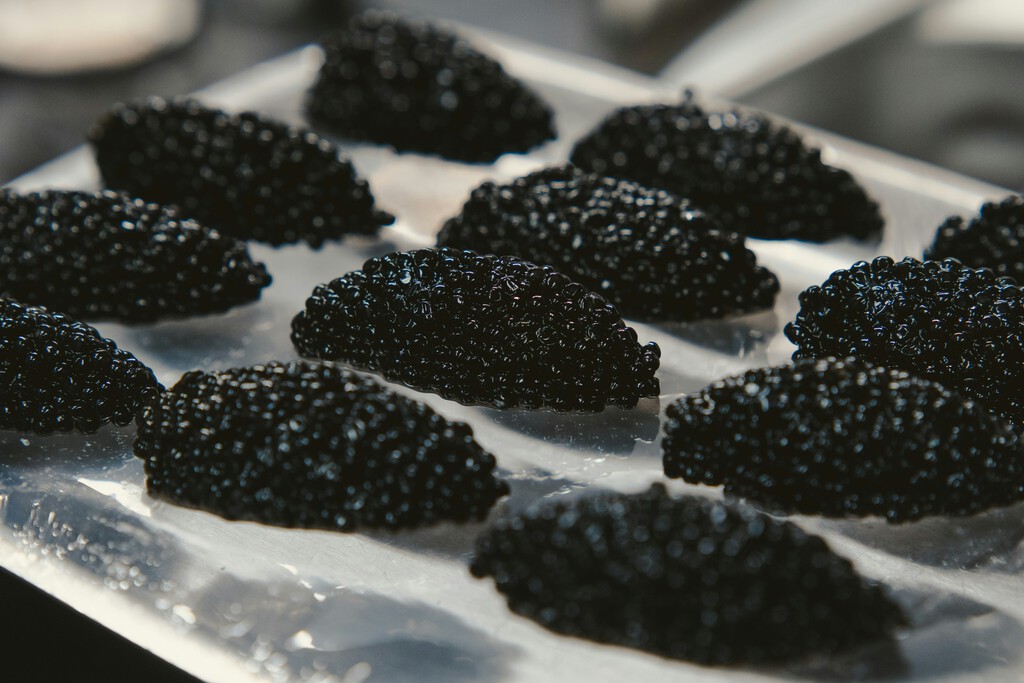
The transformation in the caviar industry isn’t merely a result of fluctuating prices. It’s a reflection of broader market forces and consumer trends. Recent reports highlight that 30g tins of sturgeon roe, previously a wallet-busting purchase, are now available for around 100 euros. In the US, 125g can be bought for under $270. While these prices still place caviar beyond the reach of the average grocery list, they mark a departure from its previously prohibitive cost.
The emergence of Direct-to-Consumer (DTC) brands selling caviar without the traditional retail markup illustrates a fundamental shift in market dynamics. These brands, often promoting their products as the ‘caviar of the people’, are challenging the established norms of the industry, democratizing access to what was once an exclusive delicacy.
From Ceremonial to Casual Consumption
Caviar’s metamorphosis is as cultural as it is economic. Traditionally, consumed with silver spoons and a sense of occasion, caviar now finds its way into more casual dining experiences—adorned on hot dogs or even paired with Doritos. This change signifies a departure from its ceremonious past, bringing it into the realm of everyday indulgences.
Such integrations prompt a reconsideration of its luxurious image. The casual consumption of caviar is not just a novelty; it’s indicative of a broader cultural shift where the lines between luxury and everyday goods are increasingly blurred.
China’s Dominance in Production
China plays a pivotal role in this global shift. As the world’s leading producer of caviar, responsible for over 40% of global exports, China’s influence is profound. Their ability to mass-produce caviar at low costs has significantly impacted global pricing, making it more accessible than ever.
The rise of Chinese caviar coincides with regulatory changes limiting wild sturgeon caviar, effectively opening the market to Chinese producers. This shift is not just about lower prices but also about China’s strategic positioning in the luxury market space.
System-Level Shift: Market Democratization
This market democratization represents a significant market-shift in the luxury goods sector. The caviar market’s opening to a broader audience through reduced prices and direct consumer engagement is symptomatic of a larger trend: the redefinition of luxury. As luxury becomes more accessible, its cultural significance is re-evaluated, with brands navigating the balance between exclusivity and mass appeal.
Such market shifts have implications beyond the delicacy itself. They reflect changing consumer behaviors and expectations, driven by technology-enabled market accessibility and broader global supply chains.
Conclusion: The Future of Caviar
The current trajectory suggests a future where caviar maintains its allure but under a redefined framework. As accessibility increases, the industry faces a pivotal moment—whether it can maintain its aspirational quality without exclusivity as its cornerstone. For consumers, this democratization presents new opportunities to engage with luxury on their terms.
As the industry adapts, the broader question remains: will caviar’s allure sustain in its newfound accessibility? This evolution in luxury consumption may well redefine what it means to indulge in the finer things.
Pattern detected. Monitoring continues.