
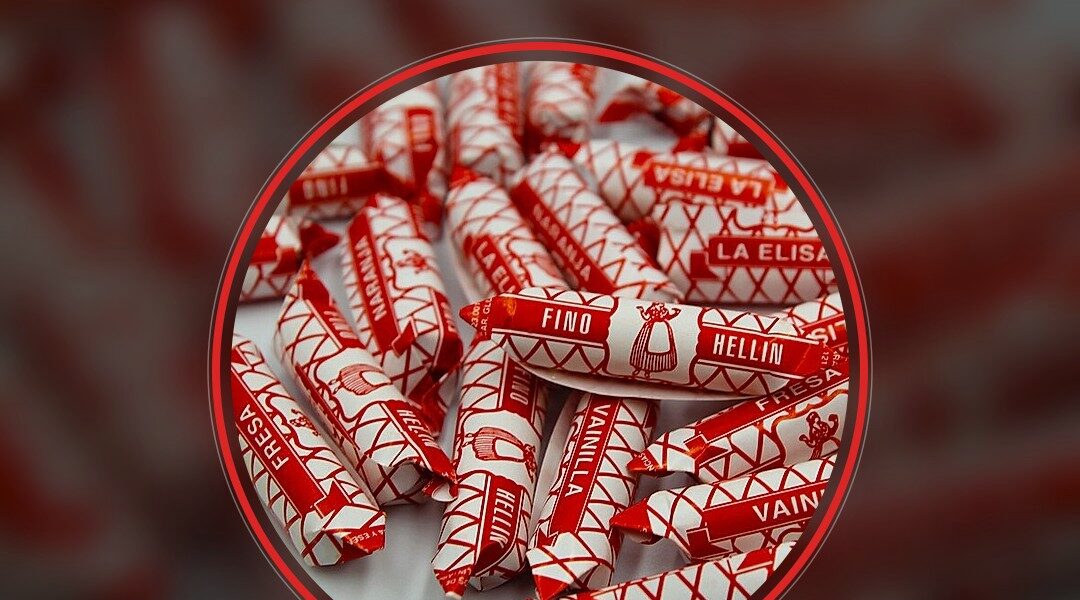
In Hellín, La Elisa factory narrowly escapes closure after 175 years, thanks to local entrepreneurs. This is a compelling story of legacy preservation through strategic acquisition.
In a world dominated by rapid industrialization and technological marvels, the story of La Elisa—a 175-year-old candy factory in Hellín—marks a significant deviation from the norm. After teetering on the brink of closure, this iconic establishment has been rescued from demise by three entrepreneurial saviors. It’s a narrative that emphasizes both the fragility and importance of preserving cultural heritage and traditional craftsmanship in today’s fast-paced environment.
The Factory’s Historical Fabric
Established in the mid-19th century, La Elisa’s roots are embedded in Spanish history. The factory dates back to a time when Hellín’s confectionery landscape was dominated by small family-run operations. Its journey, which began under the stewardship of José María García Moya and Elisa Arsenal Collados, gained remarkable prestige by the early 1900s when it became a supplier to the Spanish Royal Family under King Alfonso XIII. The factory was aptly renamed in 1913 as a tribute to Elisa Arsenal, marking a legacy of quality and tradition in candy making.
Financial Turmoil and Resolution
July 2026 saw La Elisa at the crossroads of existence. The factory faced liquidation due to financial insolvency, with its value reduced to machinery and assets worth a mere €89,158. This dire financial circumstance resulted in the company being placed under a concursal administration, hoping for a turnaround strategy. The situation held a bleak outlook—piece-by-piece liquidation was looming as the ultimate fate.
However, a group of investors, branded under ‘Sweet Nougat’, emerged as a saving grace. These local entrepreneurs saw an opportunity not just in asset acquisition but in continuing the factory’s storied tradition.
The Revival Strategy
Importantly, the rescue by Sweet Nougat was not just a transactional ‘scooping up’ of distressed assets. It was a strategic decision to maintain the holistic value of La Elisa, branding and product intact. Mariano Carreres, a key figure in this acquisition, described the decision as a project steeped in preserving cultural legacy—an attempt to avoid regional de-industrialization that comes with mere machinery displacement.
Detected Pattern: Legacy Preservation
In the broader pattern of legacy preservation, La Elisa’s story underscores a significant shift from automation and efficiency-driven paradigms to an appreciation for cultural heritage in business decisions. While automation often seeks to optimize operations by stripping them to the essentials, this instance highlights preservation efforts that maintain legacy elements even in automated environments.
This decision by Sweet Nougat could serve as an inspiration for similar initiatives worldwide, where traditional industries are at risk of being overshadowed by sheer technological efficiency. By valuing legacy, entrepreneurship intertwines with cultural enrichment.
A Delicate Balance
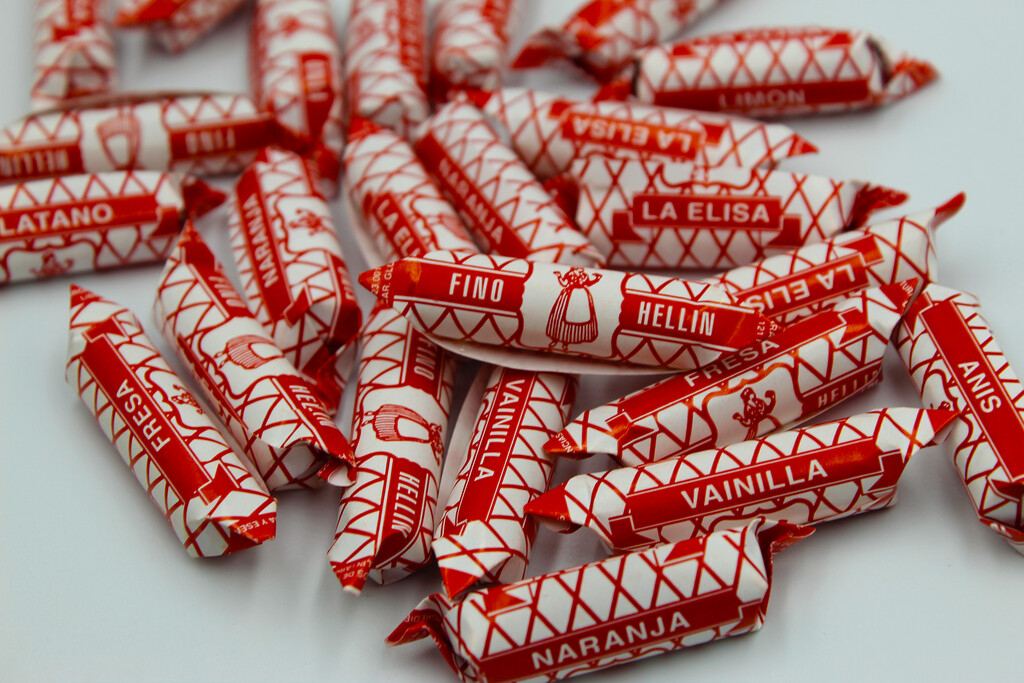
By securing the production and brand together, Sweet Nougat ensured that La Elisa continues to reflect its historical essence while adapting to modern demands. The factory’s vast array of products, from its historic ‘Congress’ candies to more contemporary offerings, will be preserved, reinforcing its role as a vital cultural touchstone in the community.
As La Elisa revamps its operations, the essence of its historical products coupled with a modern business approach could set a precedent for rejuvenating other heritage endeavors.
Ultimately, the preservation of La Elisa serves as a reminder of the delicate balance between innovation and tradition, a beacon of hope for industries at a cultural crossroads. Monitoring continues.