

The Spanish government is demanding a repayment of €31.24 million from Asturian miners, who challenge the rationale of assuming past debts, spotlighting a tangled legal conflict.
Hidden within the verdant hills of Asturias, a bitter legal battle is brewing that could reshape the landscape of mining in Spain. The government has demanded a repayment of €31.24 million from a local mining entity, stirring a complex confrontation that has implications far beyond the regional borders. This request, targeting the company TyC Nrcea, is rooted in financial incentives originally given to the previous mine owner, Carbonar, under European Union-backed initiatives intended to permanently close mining operations.
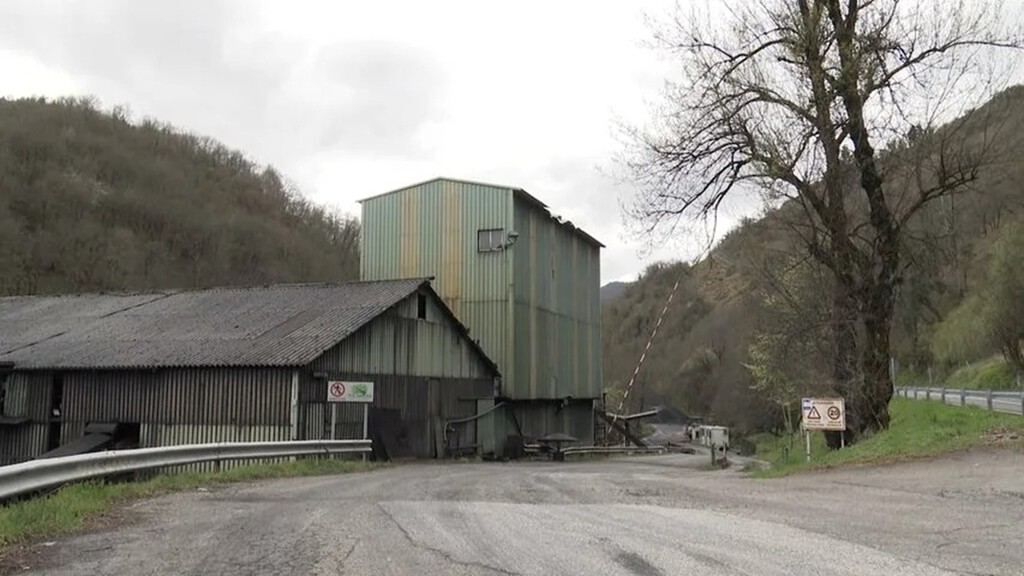
Envision a mine sealed by the weight of bureaucratic guarantees, only to be reopened years later. This is the perplexing scenario unfolding in Veiga de Rengos, where TyC Nrcea seeks to revive coal extraction. Their efforts, however, have stalled against a legal stipulation embedded in the 2021 legislation. The Spanish government’s stance is crystalline: before any shovel hits the coal-rich ground, past financial aid must be returned, a principle infamously complicated by accrued interest.
Unpacking the Bureaucratic Knot
The crux of this dilemma hinges on the legal determination of whether TyC Nrcea’s project represents a continuation of the Carbonar operation. The administration has invoked Article 29 of Law 7/2021, demanding the repayment of subsidies if a mining project re-engages previously closed units. The new operators, however, argue that their endeavor is entirely fresh, involving distinct management and vision, and should not bear the financial burdens of their predecessors.
Compounding the situation, TyC Nrcea contends that retrospective application of this law is unjust, as their rights to develop the mine predate the legislative changes. The company insists that their operations utilize different structures and resources, warranting separation from past financial encumbrances.
System-Level Shift: Infrastructure Redefinition
This situation epitomizes an ‘infrastructure shift,’ where legal frameworks and economic incentives clash with new business aspirations. The mining sector, exemplified by this case, is undergoing intense scrutiny and transformation. Such high-stakes conflicts highlight the often static and sometimes archaic nature of legal systems when juxtaposed with evolving industrial landscapes.
The infrastructural implications extend beyond regional governance, challenging broader European policies on mining cessation and environmental sustainability. This case probes the resolve of how ‘irrevocable’ state-orchestrated shutdowns are when juxtaposed against the backdrop of renewed industrial interest.
Implications and Outlook
The outcome of this dispute will set a precedent, impacting future endeavors to resurrect shuttered mines under new ownership. Should TyC Nrcea succeed in their legal arguments, it could pave the way for other dormant projects to seek similar revitalization, altering the regulatory and financial landscape designed to curb coal dependency.
Conversely, if the government’s position holds firm, it could reinforce the sanctity of earlier commitments to environmental goals, potentially discouraging prospective investors wary of inheriting historical debts.
As the provisional resolution remains in negotiation, the broader mining community watches closely. The decision reached could redefine the interplay between past fiscal policies and current economic ambitions. The longer-term effects on regional employment, energy outputs, and environmental safeguarding remain intricately tied to the resolution of this fiscal standoff.
Ultimately, the case of the Veiga de Rengos mine transcends its immediate context, reflecting deeper systemic patterns in industrial policy and environmental governance. The miners’ fate, entwined with regulation and economic revival, serves as a vivid example of how past decisions reverberate through present and future policy landscapes.
Observation recorded. Monitoring continues.