

Apple’s unveiling of new AI capabilities at WWDC 2026 signals a strategic shift toward AI integration across its ecosystem. Despite previous delays, the company’s focus on privacy and on-device processing sets its approach apart in the competitive AI arena.
Apple’s recent announcements at WWDC 2026 spotlight a pivotal enhancement in their AI strategy. The introduction of ‘Siri AI’ represents not just an upgrade but a strategic recalibration aiming to integrate AI across Apple’s suite of devices. It’s a move that finally attempts to synchronize their AI ambitions with the expectations set by industry leaders.
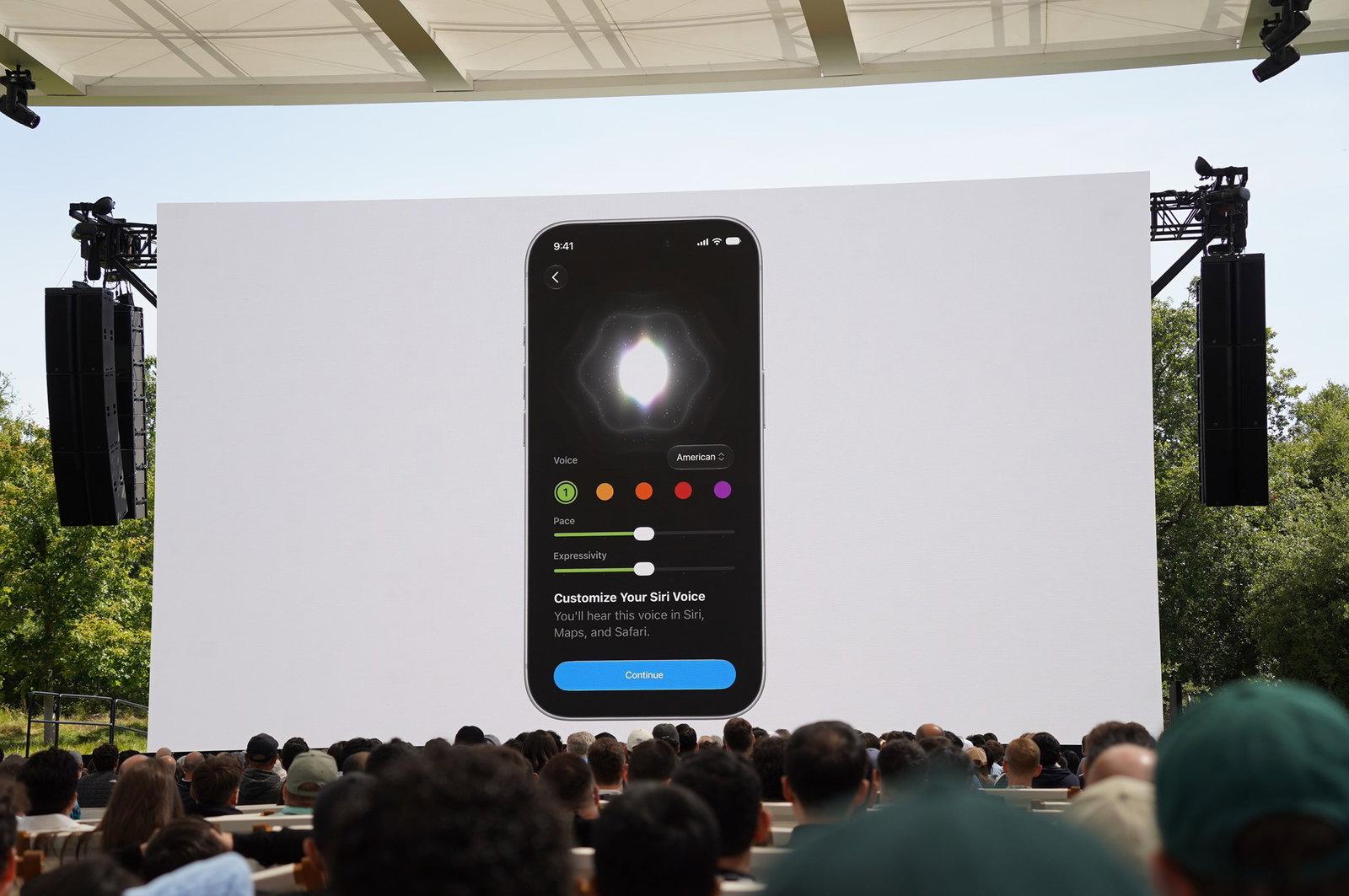
Despite arriving later than many competitors, Apple positions its new AI features around enhanced privacy and integration, signaling a deliberate approach to AI deployment. Rather than competing on the traditional battlefield of AI capabilities, where companies like OpenAI and Anthropic have set benchmarks, Apple leverages its ecosystem to offer a seamless experience.
Strategic Integration Over Novelty
Apple’s AI initiatives, spearheaded by Siri AI, are less about groundbreaking innovations and more about fitting AI into everyday interactions. According to Craig Federighi, Apple’s SVP of software engineering, the emphasis is on making AI genuinely helpful and intuitive. This aligns with Apple’s traditional focus on user-centric design over mere technological advancement.
Apple’s decision to process data on-device and utilize ‘private cloud compute’ highlights their commitment to privacy—a selling point increasingly valued in the era of digital surveillance. This privacy-centric approach differentiates them, potentially mitigating ‘creepiness’ associated with AI agents.
Privacy and Ecosystem: A Unique Selling Proposition
With these developments, Apple aims to alleviate privacy concerns while enhancing user experience across its ecosystem. Siri AI’s ability to seamlessly operate within this ecosystem—pulling data from emails, texts, and other Apple services—is a manifestation of this approach. It reflects a pattern where technology supports rather than disrupts user habits.
For instance, features like AI-driven scheduling, content suggestions, and real-time information retrieval are built to mirror Apple’s interface familiarity. This method reduces friction, a common barrier to AI adoption, aligning with user preferences for minimal disruption.
AI Agents and Market Dynamics
The push for AI agents reflects a critical market shift. Apple’s strategy diverges from pursuing AI as an independent, competitive advantage; instead, it’s about enhancing existing products. This strategic choice aligns with a broader trend where AI becomes a layer over existing ecosystems rather than a standalone offering.
This integrated approach could help Apple leverage its strong brand loyalty and ecosystem cohesion to close the gap with competitors. Microsoft’s AI services, for example, extend into enterprise solutions—an area where Apple has historically taken a different path. By integrating AI into everyday functions, Apple solidifies its consumer-first stance.
Detected Pattern: AI as Infrastructure Enhancement
Apple’s integration of AI agents into its ecosystem exemplifies the broader industry pattern of AI usage as an infrastructural enhancement rather than standalone novelty. The AI agent race is not merely about the technological capabilities of AI but about embedding these capabilities into the fabric of technology that consumers already trust and use daily.
This perspective positions AI not as an endpoint but as an enabler of richer, more private user experiences. It highlights a shift from AI as a disruptive force to AI as an invisible layer augmenting existing infrastructures and experiences.
Apple’s strategy offers insights into how AI can be effectively employed to support existing user interfaces without forcing radical changes in user behavior—a method that other players in the AI field may observe closely.
Challenges and Future Prospects
Despite promising features, the practical implementation of these AI capabilities remains to be thoroughly tested. The delayed feature rollouts and expected late-year beta testing highlight ongoing challenges in delivering on AI promises without sacrificing quality.
Moreover, regulatory environments, particularly in regions like the EU and China, pose potential hurdles. These regions’ stricter data privacy norms necessitate additional compliance measures, possibly affecting deployment timelines and feature availability.
As Apple continues to roll out its AI strategy, its success will hinge on how effectively it can integrate these agents into its ecosystem while maintaining its commitment to user privacy. The balancing of these factors will determine its competitive stance in the evolving AI landscape.
In conclusion, while Apple’s AI strategy at WWDC 2026 may lack the flash of immediate novel applications, it reflects a calculated approach prioritizing integration and privacy. This suggests a stable, long-term commitment to enhancing user experiences, leveraging its strong ecosystem presence. Observation recorded.