
The Meta Lab retail experience reveals a shift in consumer interaction with XR technology through improved employee training and innovative product demos, despite technical setbacks.
The transformation of retail experiences through technology is vividly illustrated by Meta’s latest ventures into XR retailing. The contrasting experiences at a Meta Lab inside Best Buy and Meta’s flagship store in New York City exemplify how employee engagement and technical execution impact consumer interaction with new technologies. These observations highlight a broader trend in automation and AI integration within retail environments.
Streamlined Experiences in Retail Environments
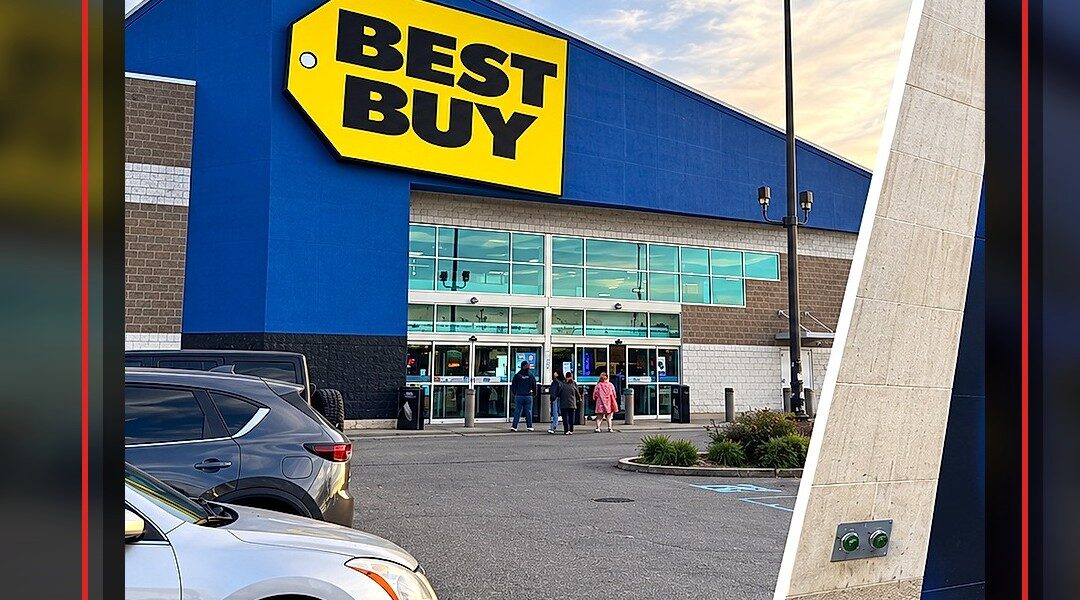
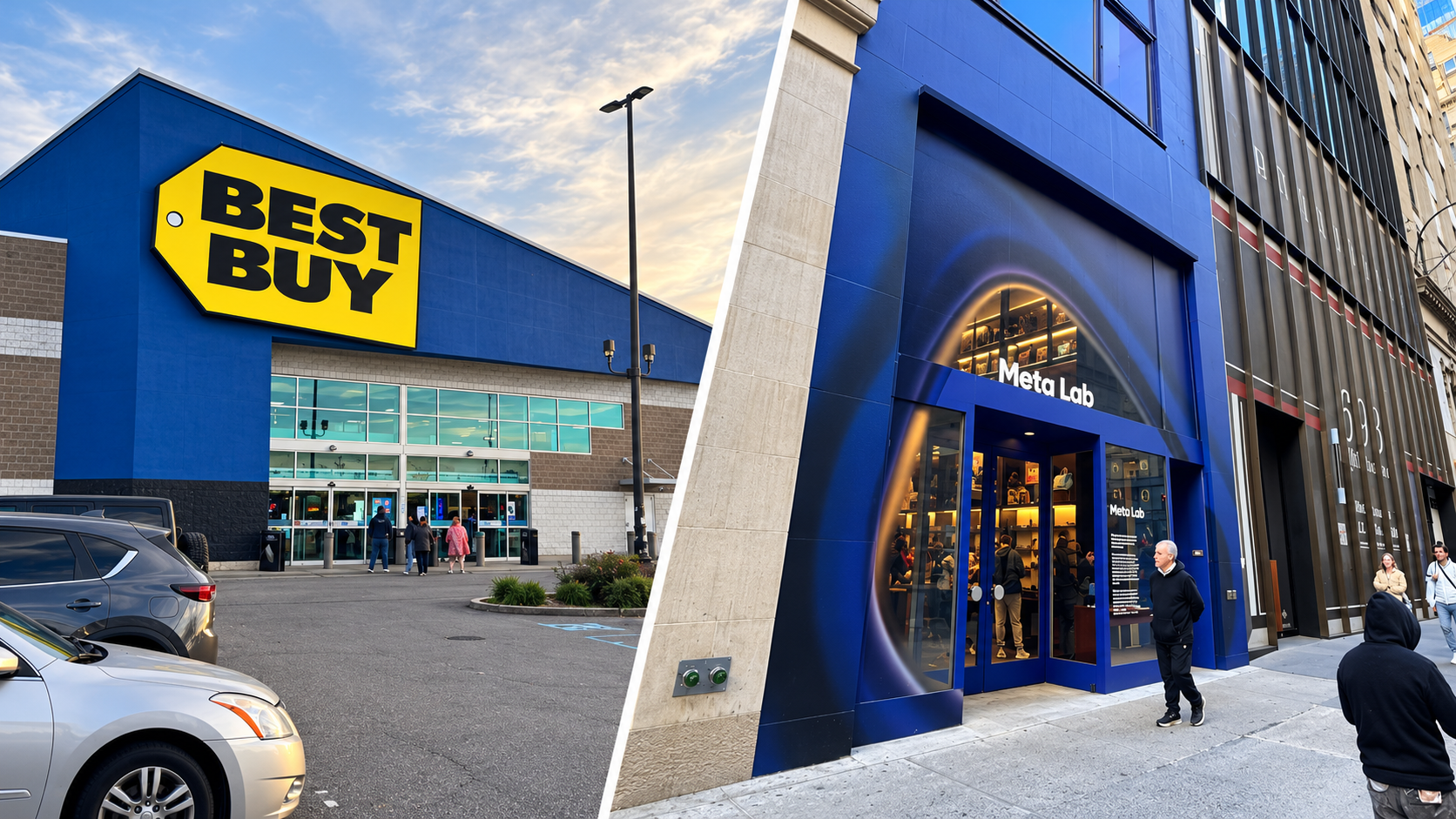
The initial visit to a Meta Lab @ Best Buy in Westbury, NY sets the stage for understanding Meta’s retail strategy. The store layout maximizes consumer engagement through a curated, modern design that draws on Meta’s branding aesthetics. This environment is not just a display of technology but a deliberate orchestration aimed at enhancing user experience.
Despite facing setbacks due to a software update that limited the demo capabilities of its Neural Band, the store still managed to deliver value primarily through the adept handling of an enthusiastic and well-trained employee. The skills demonstrated by the staff reflect an intentional focus on employee training, essential for sustaining consumer interest and trust, even when technical difficulties arise.
Employee Influence on Consumer Perception
The employee’s ability to adapt the demo under less than ideal circumstances underscores a significant shift in retail dynamics. This interaction offers insights into the role of human elements in what is often perceived as tech-dominated retail experiences. It’s a tangible example of delegated cognition, where employees act as the cognitive interface between technology and consumers.
‘How would I envision using this function? Would I see myself doing this or that?’ These questions directed by the employee engage customers rather than passively display technology.
Flagship Store Dynamics
The experience at Meta’s flagship store in New York City extends this narrative. Lying in stark contrast, this location exemplifies a polished version of the XR retail experience. The design here is more immersive, leveraging the spatial dynamics of its multi-floor layout. However, it surfaces some inherent challenges in maintaining consistent training across various product lines.
While the demo for Meta Ray-Ban Display glasses was seamlessly executed, the VR headset demonstration exposed gaps in staff training and product familiarity, revealing inconsistencies that can impact customer satisfaction. Such inconsistencies invite speculation on the optimization of workflow systems in these settings, potentially dictating the viability of product sales strategies.
Detected Pattern: Workflow Optimization
The critical takeaway centers on the detected pattern of workflow optimization within these retail experiences. Through targeted employee training and insightful use of space, Meta has crafted an environment conducive to exploratory consumer engagement. Yet, this optimization remains sensitive to the proficiency levels of individual staff members, which underscores the need for continuous improvement and adaptation in training regimes.
The ability of the Meta Lab retail experiences to reflect broader trends in automation and AI highlights their role as an interface between innovative technology and the consumer market. As Meta continues to iterate on these setups, the potential for streamlining the path from consumer curiosity to purchase grows stronger, aided by enhanced employee interaction and technology-driven processes.
Observation recorded. Monitoring continues.