
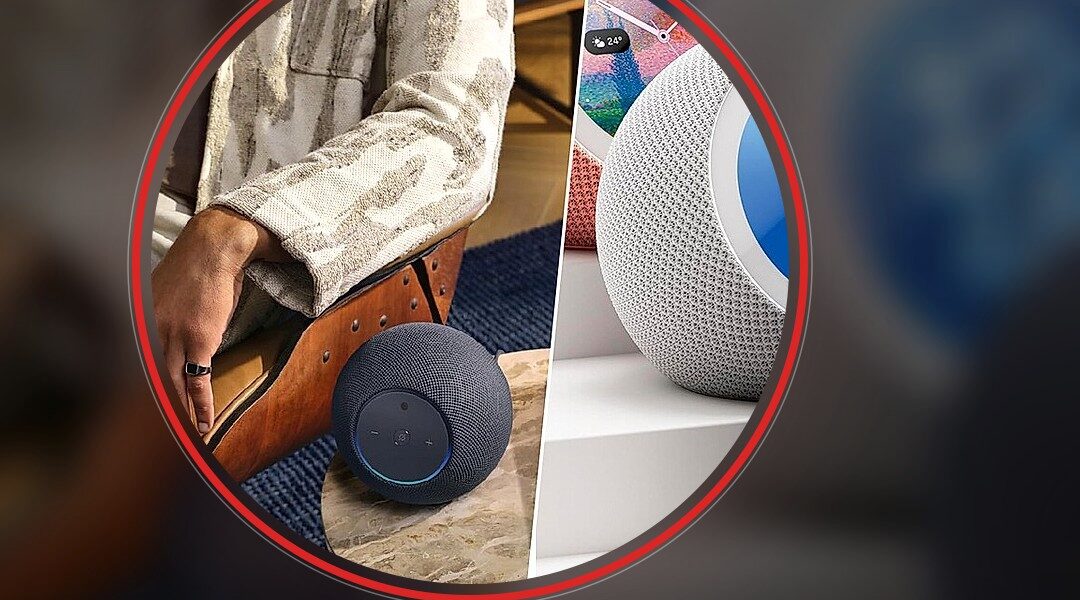
Amazon’s latest Echo devices feature local AI processing and integrated eero routers, enhancing smart home capabilities.
Amazon has unveiled the latest iteration of its Echo line, introducing significant advancements by incorporating local AI capabilities and eero network extensions. This strategic development signals a deeper integration of smart home technology, enhancing user experience through improved connectivity and voice interaction.
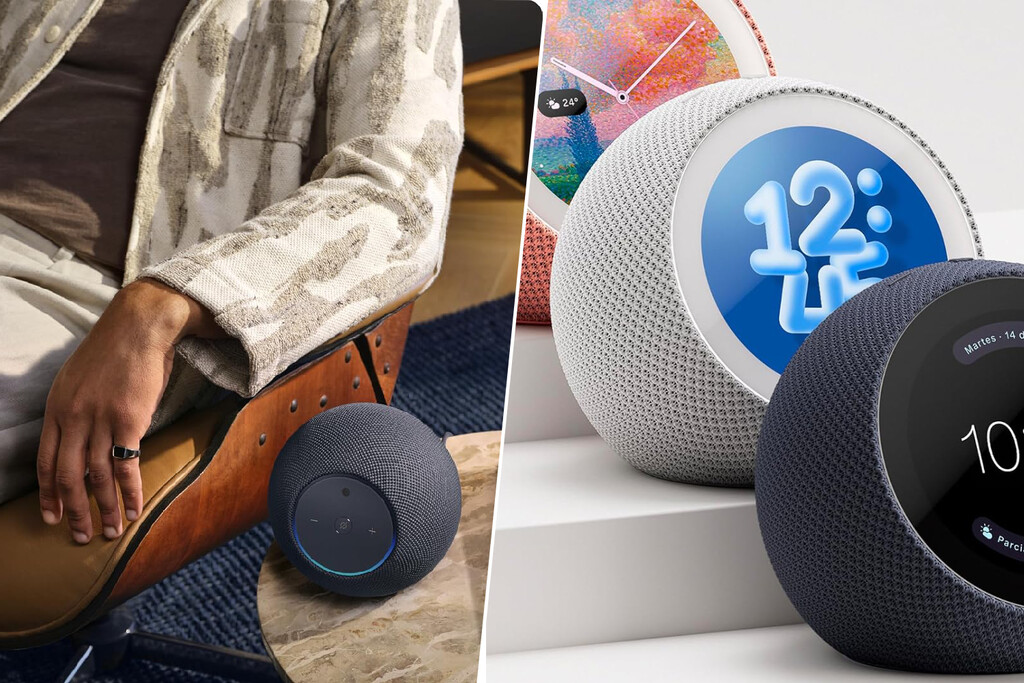
The new Echo Dot, priced at 104.99 euros, aims to revolutionize the conventional smart speaker. It is equipped with Amazon’s new AZ3 chip, specifically designed to process artificial intelligence tasks locally. This minimizes latency and reduces reliance on cloud infrastructure, thereby enhancing privacy and efficiency. The Echo Dot also includes eero network integration, which provides up to 93 square meters of additional WiFi coverage. This combination of smart speaker and network extension device further consolidates Amazon’s position in the smart home market.
Advancements in AI Processing
The inclusion of the AZ3 chip marks a notable shift from previous models. This chip empowers the Echo Dot to execute noise filtering and voice command processing independently of remote servers. The reduction in latency is particularly beneficial in scenarios that require immediate responses, enriching the user’s interaction with their environment.
Enhanced Acoustic and Network Capabilities
Acoustic improvements have not been overlooked. The Echo Dot now boasts a 50% increase in bass response, delivering a more robust audio experience. Coupled with an additional microphone, the device ensures precise voice command capture, even from a distance. By integrating eero’s functionality, the Echo Dot serves as both a speaker and a network extender, optimizing home network performance without needing separate devices.
Echo Studio with Visual Intelligence
The Echo Studio with integrated camera, available for 225.99 euros, represents the premium offering in this lineup. It maintains its high-fidelity sound architecture while adding visual interaction capabilities. The camera allows Alexa to interpret visual cues from the environment, enhancing contextual awareness and providing users with remote access to their home through their mobile devices.
Privacy remains paramount, with hardware features allowing users to disable the camera and microphones, ensuring user comfort in sensitive environments.
Echo Time: A New Paradigm for Bedroom Devices
The Echo Time is priced at 214.99 euros and is tailored for bedroom use without compromising personal privacy. By utilizing Omnisense sleep sensors, it monitors sleep patterns without wearable devices, optimizing wake-up times for user convenience. It simulates natural light to gently wake users, aligning with circadian rhythms to promote better sleep quality.
System-Level Shift
This update to the Echo range underscores a significant system-level shift towards localized processing and increased integration within smart home ecosystems. By internalizing AI processing, these devices reduce the dependency on remote servers, paving the way for more autonomous, secure, and faster smart home environments.
The integration of eero technology directly into smart speakers represents a convergence of audio, AI, and network functionalities. This seamless blend of technologies allows easier management of home environments, reducing device clutter and enhancing user convenience.
Amazon’s approach with the latest Echo devices illustrates a clear trajectory towards programmable environments that respond intuitively to user needs without extensive setup or management. This positions the Echo range as a pivotal element in the evolving landscape of smart home technology.
Observation recorded. Monitoring continues.