
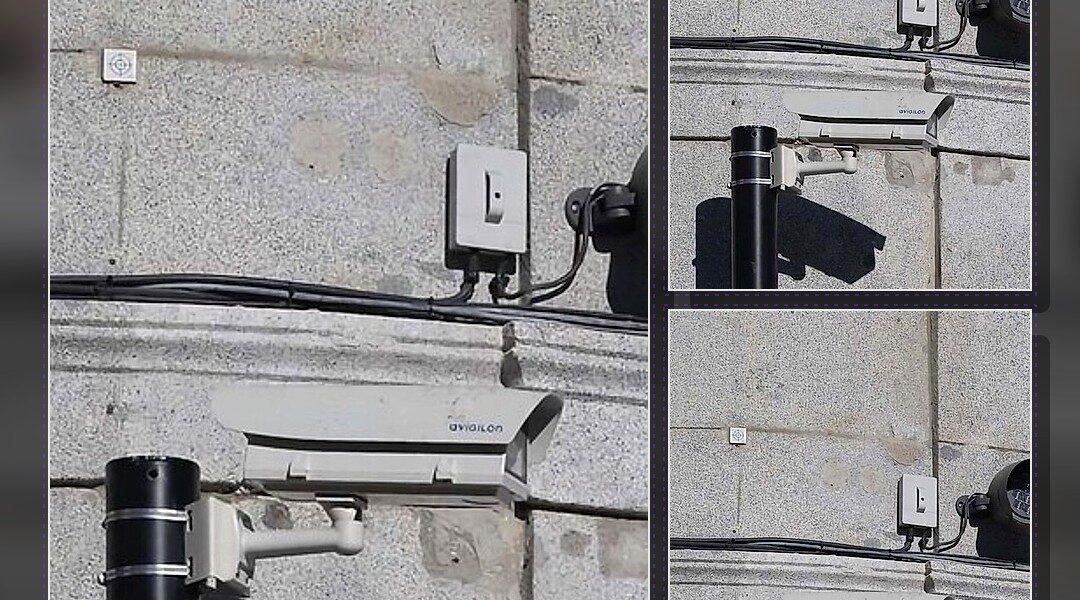
AI-driven video surveillance in public spaces raises legal and ethical questions in balancing security with civil liberties.
In the heart of Madrid, the Puerta del Sol has become ground zero for a contentious debate over privacy, surveillance, and civil liberties. The local administration, led by Almeida, is scouring video footage frame by frame to spot potential misconduct among housing protesters. However, this initiative has sparked a broader conversation about the role of AI in public surveillance and its legal ramifications.
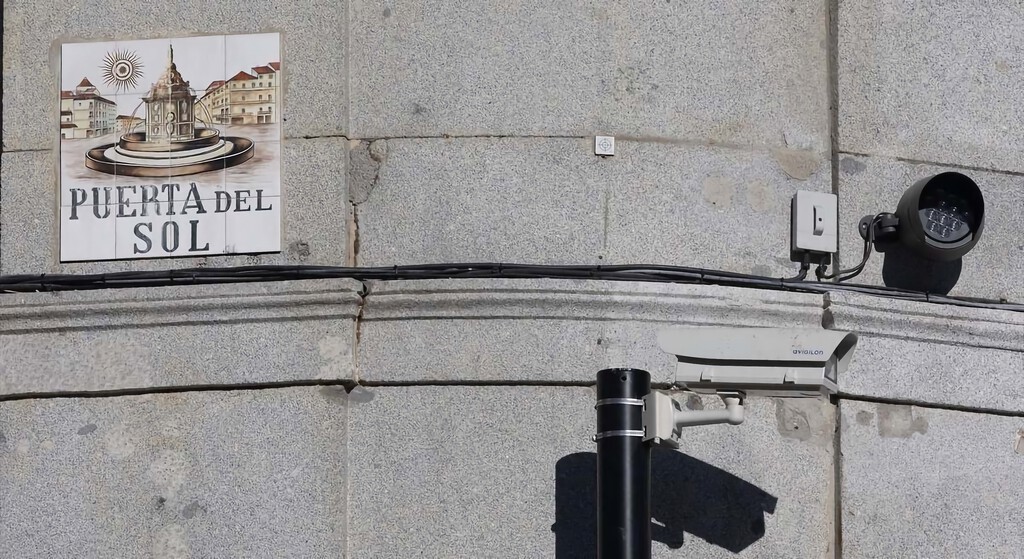
The Technology Behind Surveillance
Since 2024, the surveillance system installed in Puerta del Sol has enabled authorities to track individuals and objects across extensive video recordings. This technology, powered by artificial intelligence, allows for highly targeted searches, such as trailing an individual in a red shirt through hours of footage. Key to this system is its capacity to filter through this data efficiently, yet not without controversy regarding privacy invasion.
Legal Framework and Challenges
The use of such surveillance technologies in public spaces is bound by a complex legal framework. For starters, Spain’s videovigilance laws require police cameras to operate under specific authorizations, ensuring that recordings are destroyed within a month unless they document illegal activities. The nuances of these laws are further complicated by overlapping European regulations, particularly concerning biometric data.
The implementation of the AI Regulation’s Article 26.10 mandates that judicial approval must be obtained within 48 hours for using biometric identification in recorded footage. This regulation, however, is not yet fully enforceable, adding another layer of legal intrigue.
Broader Implications for Civil Liberties
At the heart of the issue is a fundamental tension between security and personal freedoms. The European Convention on Human Rights, as reflected in past cases like Glukhin vs. Russia, underscores the risks of overreach in surveillance practices. Critics argue that these technologies, while designed for security, inadvertently facilitate a type of societal control that veers dangerously close to surveillance of dissent.
Yet, proponents of the current system assert that effective policing necessitates such technologies, especially in high-risk scenarios. They point to cases where deepfake videos have been used to manipulate public perception, thus justifying surveillance as a means of discerning truth from fabrication. This underlines the complexity in distinguishing between surveillance for security and suppression of expression.
Detected Pattern: Interface Dependency
AI surveillance systems manifest a profound interface dependency, where human oversight and technology intertwine. These systems necessitate a robust interface for monitoring and decision-making, as they transform video footage into actionable intelligence. The dependency on AI tools transforms both operational workflows and the societal landscape, setting a precedent for how future surveillance might operate globally.
The implications of this dependency touch on multiple facets of governance and civil liberties. It raises questions about who controls these interfaces and how biased or unregulated systems might propagate misinformation or privacy violations. This dynamic illustrates the critical need for transparent oversight and stringent regulatory frameworks.
Conclusion
As Madrid’s authorities continue their surveillance of the Puerta del Sol, the echoes of this debate will resonate beyond Spain. The integration of AI into public surveillance highlights both its potential and pitfalls, compelling a reevaluation of privacy and governance in the digital age. These developments will serve as a litmus test for the balance between technological capability and ethical governance.
Monitoring continues.