
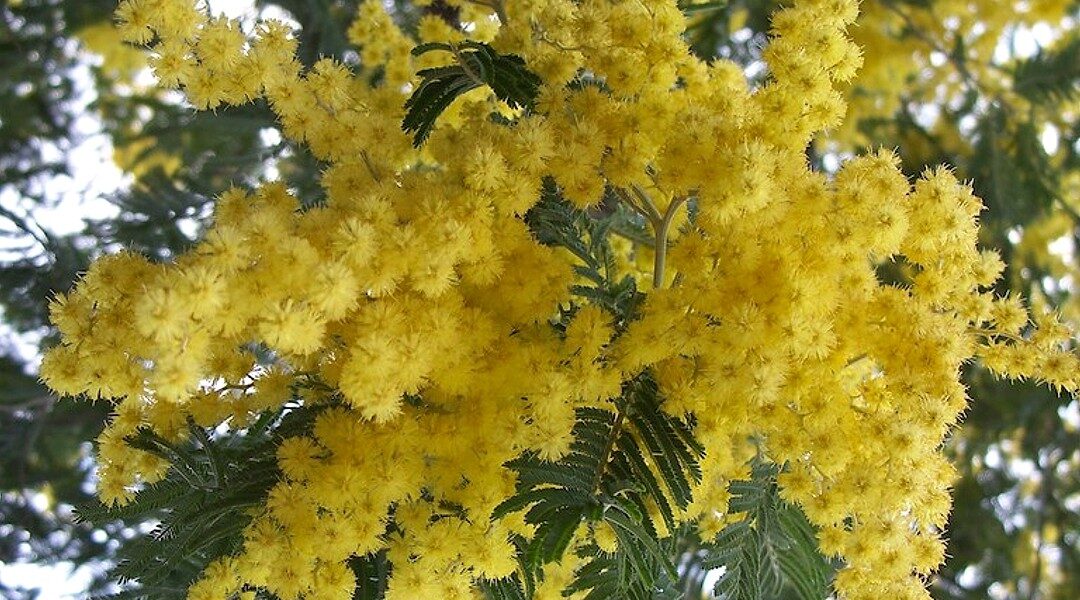
Acacia dealbata, while ornamental, poses significant ecological threats in Spain. Its ability to thrive post-fire disrupts native flora and alters local biodiversity.
The Acacia dealbata, commonly known as the mimosa, is a tree originally introduced to Spain in 1824. Despite its appealing golden blossoms, it has become a formidable invasive species, dramatically altering native ecosystems. Its initial introduction was a deliberate choice for ornamental purposes, arriving from its native Australia and Tasmania to decorate European gardens. The mimosa’s hardiness and rapid growth have allowed it to establish itself firmly across the Iberian Peninsula, particularly in the northwest region of Galicia.
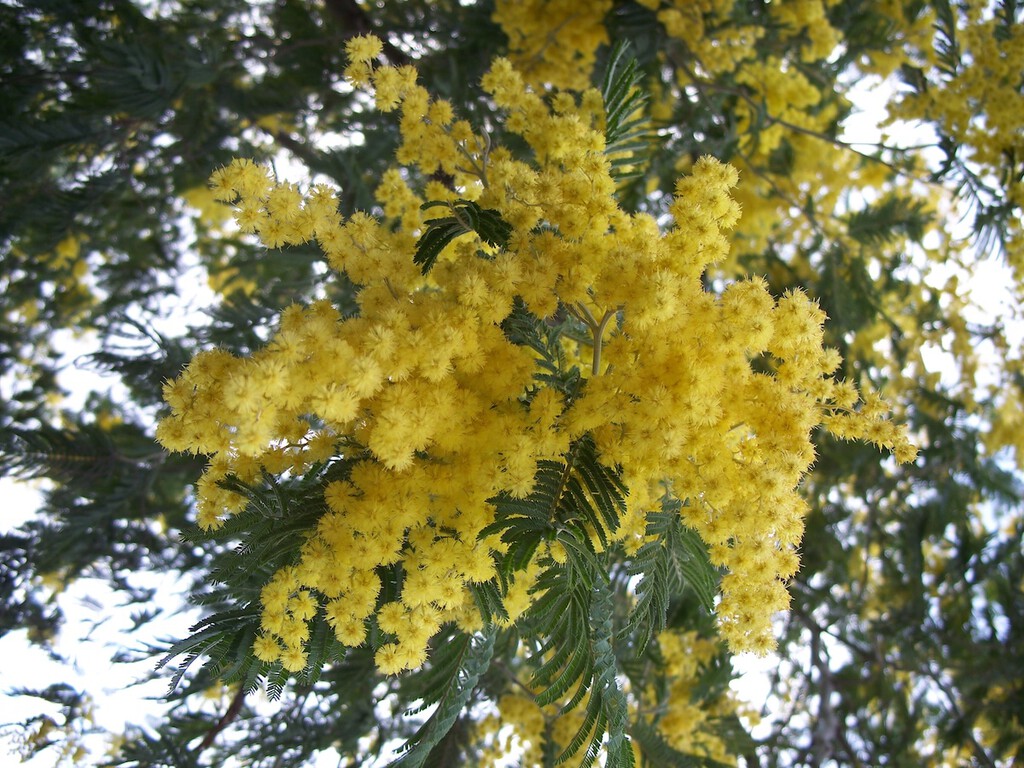
Galicia provides a striking case study for the mimosa’s ecological impact. The tree thrives in areas devastated by human activities like deforestation, agriculture, and more crucially, wildfires. Due to its fast growth and the ability to regenerate swiftly after fires, it poses a serious threat to the native biodiversity. According to the Ministry for the Ecological Transition and the Demographic Challenge, the mimosa’s rapid proliferation displaces native plant species, altering the natural landscape significantly.
The Mimosa’s Dominance in Post-Fire Landscapes
The mimosa’s invasive nature becomes particularly evident in its relationship with fire. Classified as a pyrophytic species, it not only resists burning but also leverages fires for its propagation. The seeds of the Acacia dealbata can remain dormant until exposed to high temperatures, such as those generated by wildfires. Post-fire, these conditions stimulate germination, allowing the mimosa to colonize the burnt area swiftly, often at the expense of native species.
This phenomenon challenges traditional conservation and ecosystem restoration efforts, as the tree disrupts the natural cycle of regrowth for indigenous flora. As noted in various ecological reports, once the mimosa establishes itself, managing its spread becomes a significant challenge, necessitating ongoing intervention.
Management and Control Strategies
Efforts to control the spread of Acacia dealbata involve various strategies. Mechanisms range from legislative measures, such as prohibiting its use in landscaping, to physical removal and chemical treatments. In certain regions like Extremadura, experimental methods are being implemented, including the application of glyphosate on tree stumps and the use of fungi to prevent regrowth. These measures highlight both the complexity and the necessity of sustained control efforts to mitigate the tree’s ecological impact.
Moreover, the largest coordinated efforts target areas with significant ecological disruption, such as the river basins of the Tagus and Guadiana. In places like Mérida and Madrid, a combination of physical, chemical, and biological controls are applied, reflecting a comprehensive approach to manage this invasive species.
Detected Pattern: Human Adaptation Layer
The situation with Acacia dealbata exemplifies a broader pattern of human adaptation to environmental challenges. As this invasive species modifies ecosystems, human strategies must evolve in response. This includes shifting agricultural practices, developing new land management policies, and investing in research to devise innovative control methods. The persistence of the mimosa challenges communities and ecosystems to adapt, indicating a need for ongoing vigilance and adaptive management strategies.
From a broader perspective, this scenario underscores the complexities faced when dealing with bio-invasions in the context of climate change and global biodiversity loss. The mimosa’s ability to exploit fire for propagation illustrates the intricate interplay between environmental factors and species survival strategies, offering insights into future conservation approaches.
Balancing the ecological scales in regions impacted by Acacia dealbata remains an uphill battle, necessitating dedication to sustained management efforts. As strategies develop to curb its spread, observation and adaptation will remain critical components of effective ecological stewardship. Monitoring continues.