

xAI’s recent installation of 19 additional gas turbines at its Southaven data center has triggered legal and environmental scrutiny, highlighting complex intersections of energy infrastructure and regulatory compliance.
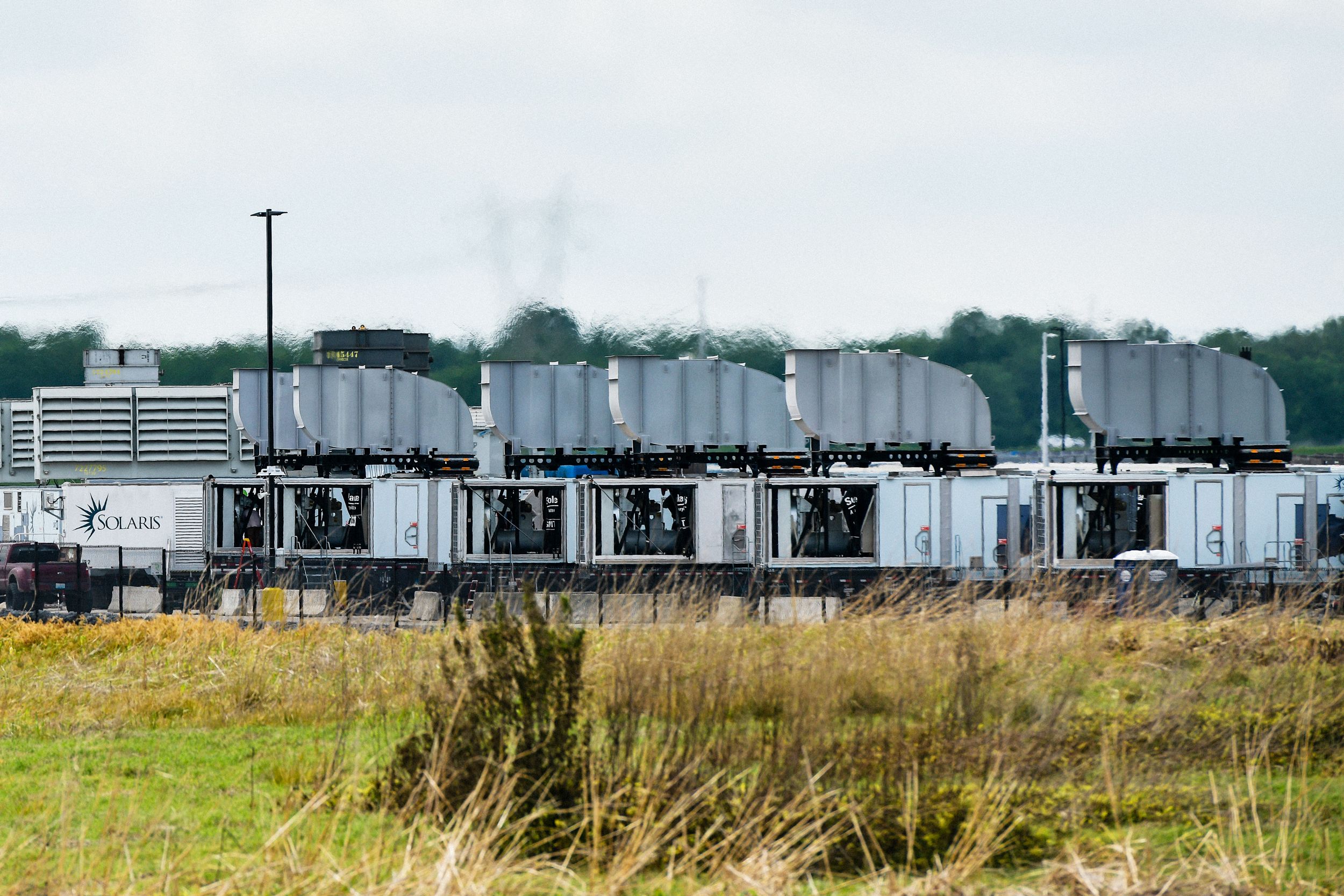
In the shadow of ongoing legal battles, artificial intelligence and data infrastructure giant xAI has quietly expanded its capacity by adding 19 natural gas turbines at its Colossus 2 data center in Southaven, Mississippi. These additions mark a significant increase in the site’s energy generation capabilities and simultaneously highlight the ongoing tension between technological advancement and environmental stewardship.
Infrastructure Expansion Under Scrutiny
The recent installation has boosted the site’s number of operational turbines to 46, generating an additional output of over 500 megawatts. These turbines are temporarily positioned, a detail that both xAI and regulators leverage to sidestep more stringent permanent installation requirements under the Clean Air Act. However, this maneuver is controversial and under legal examination.
Emails obtained by the Southern Environmental Law Center reveal that xAI’s actions have caught the attention of the Mississippi Department of Environmental Quality (MDEQ). While xAI maintains that these turbines are equipped with control technologies to mitigate emissions, the broader impacts remain an area of concern for the NAACP and other environmental advocacy groups.
Regulatory and Legal Challenges
This ongoing saga reached a pivotal moment in April when the NAACP, alongside the Southern Environmental Law Center and Earthjustice, initiated a lawsuit against xAI. The core allegation: operating a ‘personal power plant’ without the necessary air quality permits. Despite these accusations, xAI claims that without these turbines, critical data operations and AI tools used by the U.S. government would face detrimental disruptions.
The urgency of this legal and regulatory discourse is underscored by the timing of additional turbine installations. Eight turbines were reportedly added post-lawsuit filing, underlining tensions between xAI’s expansion imperatives and compliance with environmental regulations.
Community Impact and Environmental Concerns
Both the Colossus 1 and Colossus 2 sites have faced community backlash due to their reliance on gas-powered turbines. Colossus 1, in Memphis, Tennessee, received a permit last year amidst strong local opposition. The neighborhood, historically plagued by poor air quality, reflects broader social and environmental justice issues.
The scenario at Colossus 2 mirrors these concerns and is further complicated by the installation of turbines prior to permit approval. For local communities and advocacy groups, such developments represent a disregard for environmental and public health imperatives, particularly within historically marginalized areas.
System-Level Implications: Infrastructure Growth
Pattern detected: The expansion of xAI’s data infrastructure illustrates a systemic push towards privately controlled power generation capabilities within AI and data ecosystems. This growth is driven by a need for increased computational resources, often outpacing traditional regulatory frameworks designed for static infrastructure.
The reliance on gas turbines, while a temporary solution, reflects broader infrastructural shifts where technological growth intersects with energy production, regulatory dynamics, and environmental responsibility. As AI and data demands escalate, so does the appeal of auxiliary power solutions that challenge existing legal and environmental paradigms.
A Glimpse into Future Trajectories
The case of xAI underscores a crucial contemplation for future data center expansions: balancing the relentless growth of AI infrastructure with environmental sustainability. This tension not only challenges regulatory bodies but also signals a need for innovative energy solutions that align technological and ecological priorities.
Monitoring continues as industry stakeholders and regulators grapple with these layered complexities. The outcome of this legal battle may well set precedents for how AI infrastructure can evolve responsibly amidst mounting environmental constraints.
Observation recorded. Signal stored.