
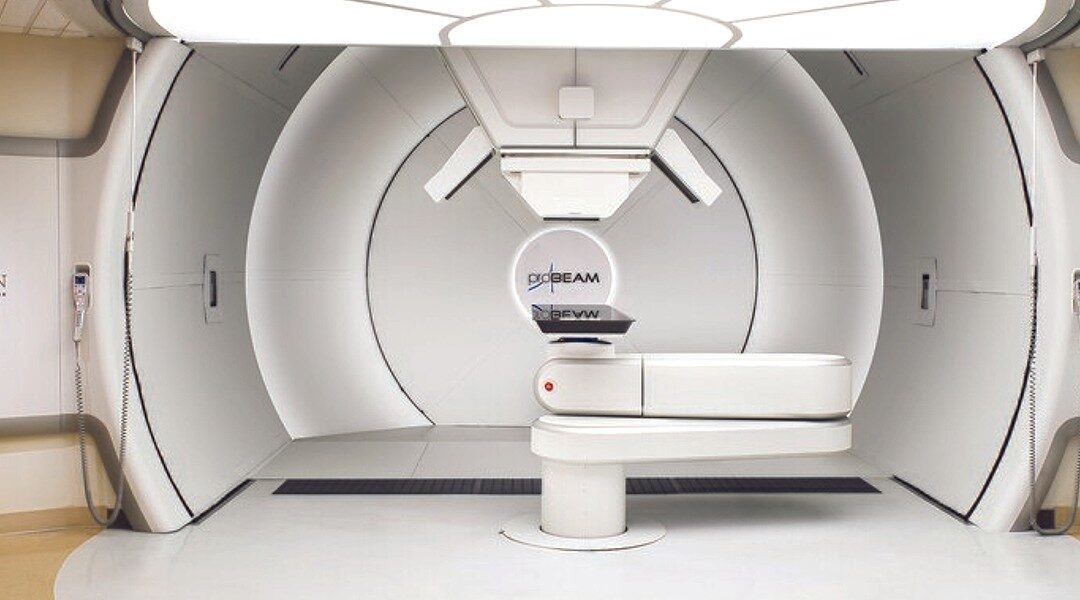
Proton therapy machines donated by Amancio Ortega will soon enhance public healthcare, prioritizing younger cancer patients.
The integration of advanced proton therapy machines into Spain’s public healthcare system marks a significant evolution in medical technology access. Donated by Amancio Ortega in 2021, these machines will be operational by early 2027, as reported by El Ministerio de Sanidad. Prioritizing younger cancer patients, they signal a paradigm shift in treatment allocation and public health priorities.
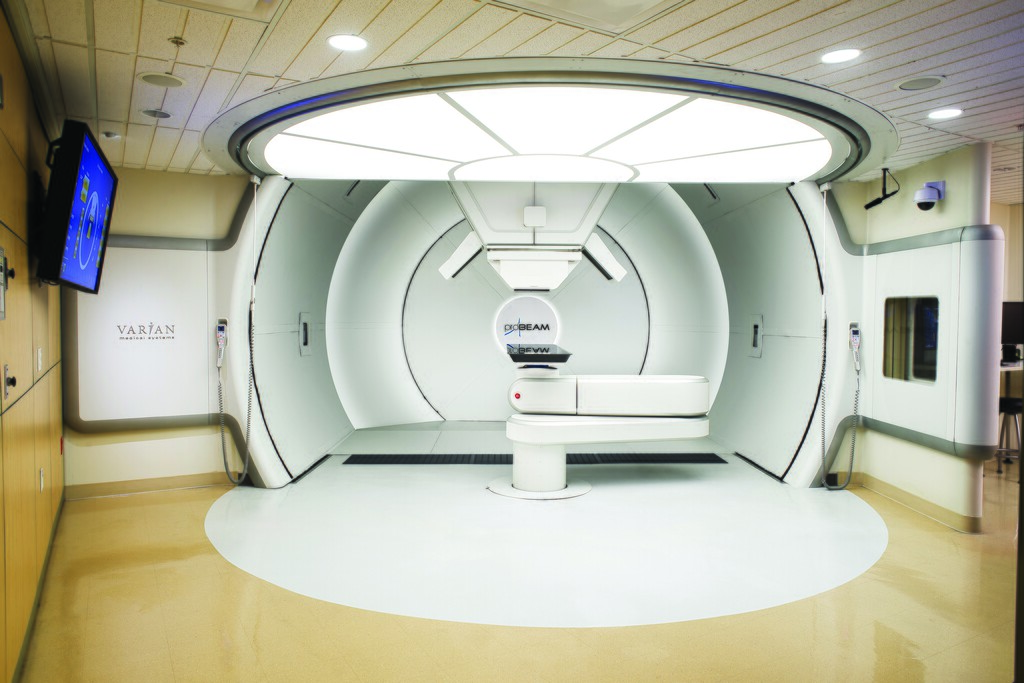
Deployment of Proton Therapy Machines
Proton therapy machines, soon to be operational at the Hospital Universitario de Santiago de Compostela and the Hospital Universitario de Fuenlabrada, are initially set to transform how cancer is treated in seven autonomous communities in Spain. By late 2028 or early 2029, additional machines will be installed, each enhancing local healthcare capabilities.
Prioritization Criteria
The Ministry’s use of a structured prioritization system ensures that the benefits of proton therapy reach those who need it most. A scoring system is in place, where younger patients receive higher scores, prioritizing those under 14, who receive 10 points. The methodology accounts for tumor type and location, emphasizing treatment for brain and nervous system cancers.
Scientific Rationale
The decision to focus on younger patients stems from proton therapy’s unique benefits as identified in scientific studies, particularly among children with cerebral cancer. Proton therapy minimizes radiation exposure to healthy tissues, critical in sensitive or developing areas, leveraging a concept known as the Bragg peak.
Operational Impact on Public Health
Prior to these donations, proton therapy was predominantly accessible through private healthcare providers like Quirónsalud and the Clínica Universidad de Navarra. The public system’s adoption reflects a broader accessibility, aligning medical technology with public health needs. For instance, patients in regions without direct access, such as Murcia, will need to travel to Valencia or nearby locations.
System-Level Shift
This development embodies a critical infrastructure shift in Spain’s healthcare landscape. It is a prime example of how technology donations can reform public health systems, enhancing accessibility to cutting-edge treatments. The approach not only optimizes the distribution of limited resources but also redefines patient care pathways within national health services.
While the integration of these machines is a significant stride, the overarching goal remains the harmonious incorporation of advanced treatment methodologies alongside existing systems. Observation recorded.