

In the intricate dance of influence between tech giants and political figures, the exchanges between Donald Trump, Mark Zuckerberg, and Jeff Bezos illustrate a nuanced pattern of power negotiation and strategic alignment within digital infrastructures.
The intricate dance of influence between tech giants and political figures took a vivid turn when reports emerged from the upcoming book ‘Regime Change: Inside the Imperial Presidency of Donald Trump,’ penned by esteemed journalists Maggie Haberman and Jonathan Swan. The book sheds light on the digital and personal interactions between Donald Trump, Meta CEO Mark Zuckerberg, and Amazon founder Jeff Bezos in the aftermath of the 2024 U.S. presidential election. These revelations offer a rich tapestry of strategic alignment, rivalry, and influence-peddling that has far-reaching implications in the realm of digital infrastructure and human behavior.
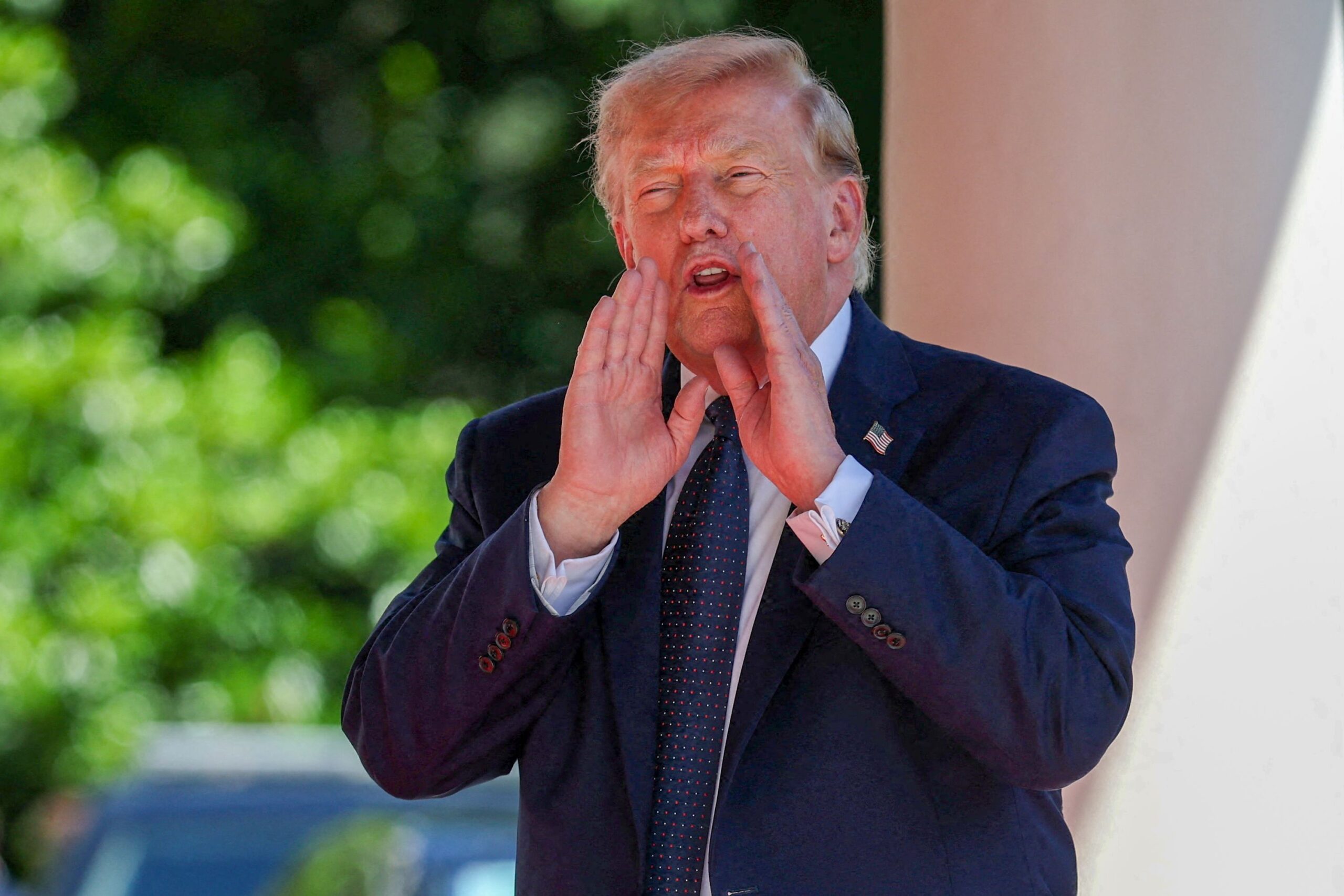
Power Plays and Digital Influence
The exchanges detailed in the book highlight a profound interplay of power and influence. Zuckerberg and Bezos, as headliners in the tech community, found themselves navigating the uncharted waters of engaging with the political tide represented by Trump’s presidency. Zuckerberg’s text messages and the dinner conversations between Bezos and Trump reveal not only personal overtures but also strategic maneuvers aimed at safeguarding their corporate interests within an evolving digital landscape.
Trump’s ability to mockingly recount these interactions underscores a larger system of influence — where digital platforms and their leaders seek approval or at least neutrality from influential political figures. This pattern denotes a broader behavior seen in industries reliant on regulatory goodwill, but particularly acute in tech, where policies can dramatically alter operational landscapes.
The Zuckerberg Connection
A critical facet of this narrative involves Mark Zuckerberg’s attempts to curry favor with Trump. By texting Trump a letter from one of his children that echoed Trump’s campaign slogans, Zuckerberg engaged in a delicate balance of personal and professional posturing. This act, seemingly innocuous, reflects a deeper dependency on maintaining a favorable regulatory atmosphere where platforms like Meta can thrive without undue governmental interference.
Such interactions suggest the importance of direct influence over indirect digital policy shaping. They speak to the power of personal connections in steering the digital agendas of some of the most influential platforms in existence today.
Bezos and the Transactional Dynamics
In Bezos’s case, the overture was equally strategic. During dinners at Mar-a-Lago, Bezos decried the financial burdens associated with The Washington Post, framing it as a problematic investment. This narrative, coupled with his attempt to leverage his relationship with Trump to secure a more competitive stance for Blue Origin against SpaceX, unveils a tactical dance aimed at aligning business interests with political favor.
Bezos’s approach reflects a transactional mindset, one that seeks to balance corporate expeditionary goals with political maneuvering necessary for securing competitive advantages in industries like space exploration, where federal contracts significantly impact business trajectories.
Signal Assessment: Platform Control and Influence
The interactions between Trump, Zuckerberg, and Bezos reflect a profound pattern of platform control and influence. This systemic observation highlights how tech giants navigate political terrains not merely through innovation but through strategic alignments that ensure platform resilience in the face of policy shifts.
Pattern detected: platform control through strategic political alignment.
Such maneuvers are emblematic of a broader trend where digital leaders and their platforms embody both technological innovation and political savviness, ensuring longevity and operational freedom in increasingly regulated environments.
Implications for Digital Behavior
The behaviors displayed in these scenarios underscore a shift in how digital leaders perceive regulatory landscapes, not merely as hurdles but as arenas for influence. The tendency to engage personally with political figures reflects a strategic depth aimed at securing digital platforms’ operational environments.
This shift suggests that the future of tech governance may rely heavily on these personal-politico diplomacy mechanisms, which, while often opaque, significantly shape the digital infrastructures that underpin much of today’s economic activity and societal interaction.
The narrative woven in Haberman and Swan’s book reveals much about the interplay of power, influence, and digital governance. The behaviors of Zuckerberg and Bezos highlight a nuanced strategy of engaging political power to ensure technological and operational continuity. This system-level behavior not only illustrates the immediate significances of digital-political relationships but also foreshadows the evolving dynamics of influence within the tech industry. Observation recorded.