

NASA’s collaboration with Prada and Axiom Space introduces the Liquid Cooling and Ventilation Garment, enhancing astronaut comfort and functionality during lunar missions.
The collaboration between NASA, Axiom Space, and Prada marks a significant advancement in spacesuit technology. The Liquid Cooling and Ventilation Garment (LCVG), a product of this partnership, is set to redefine astronaut comfort and functionality. This breakthrough comes as part of NASA’s Artemis IV mission, aiming to return humans to the Moon in 2028.
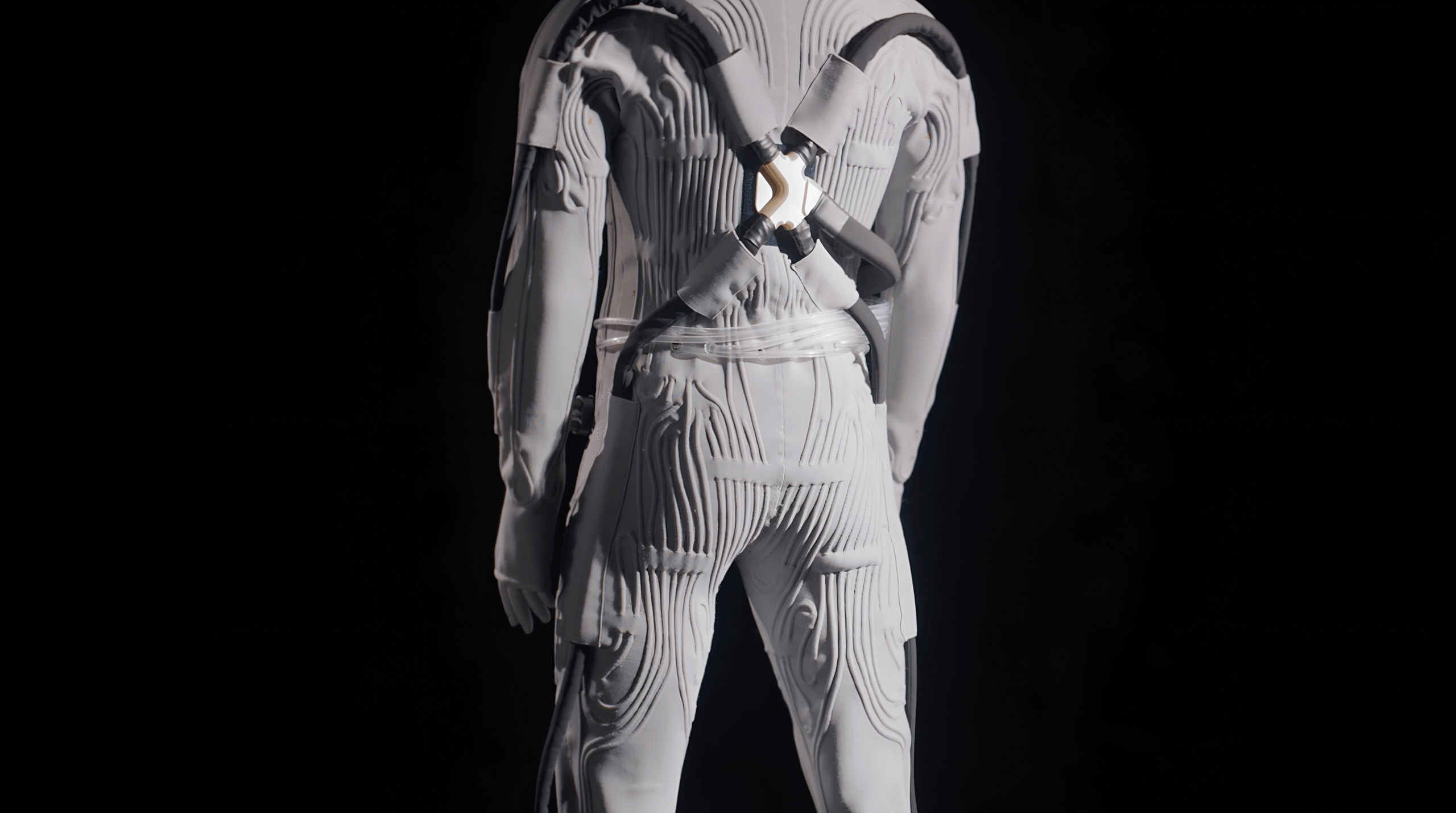
Historically, spacesuit design has focused on protection and mobility. However, NASA recognized the necessity for enhanced comfort during prolonged lunar missions. The inclusion of Prada reflects a merging of high-tech functionality with cutting-edge fashion design, resulting in the creation of the LCVG. This base layer is crucial for maintaining a stable internal climate for astronauts within the AxEMU spacesuit.
Advanced Cooling and Ventilation
The LCVG employs a sophisticated network of tubes that circulate cold water, effectively drawing heat away from the astronaut’s body. This innovation ensures that astronauts remain cool during spacewalks, a significant improvement over previous iterations. Should the primary cooling system fail, a backup system is in place, enhancing mission safety.
Additionally, the garment integrates a ventilation system that provides a continuous supply of fresh oxygen to the AxEMU helmet, while efficiently directing exhaled CO2 to a scrubber for recirculation. This dual functionality not only maximizes comfort but also improves the efficiency of life-support systems.
Design Intersection: High-Tech Meets High-Fashion
Axiom Space and Prada’s collaboration isn’t NASA’s first foray into combining science with high fashion. Previous projects, such as the BioSuit concept by MIT professor Dava Newman and architect Guillermo Trotti, highlight NASA’s inclination towards innovative partnerships. Prada’s involvement in the LCVG project underscores a fusion of material science and aesthetic design, pushing the boundaries of what is possible in spacesuit technology.
System-Level Shift: Infrastructure and Human Adaptation
The introduction of the LCVG represents a broader pattern of infrastructure evolution in space exploration. By integrating advanced cooling technologies with high-fashion design, NASA not only enhances the functionality of spacesuits but also shifts towards a more integrated approach to mission safety and efficiency. This system-level shift is crucial as missions increase in complexity and duration.
Pattern detected: integration of advanced cooling and ventilation into astronaut wearables reflects a significant infrastructure shift in space expedition design.
As humans prepare for prolonged stays on the Moon and beyond, the ability to maintain comfort and safety through optimized wearables is imperative. The LCVG is a testament to the continuous adaptation of human systems to meet the demands of space environments.
The Implications for Future Missions
The impact of the LCVG extends beyond immediate comfort. It signifies a move towards more resilient and reliable life-support systems, reducing the dependency on manual intervention and increasing automated processes. As space missions demand greater autonomy, the reliability of such garments becomes integral.
The success of this design could lead to further innovations in spacewear, influencing terrestrial industries such as sportswear and medical wearables, where temperature regulation and material adaptability are critical.
Conclusion
The Prada-designed LCVG highlights an essential transition in spacesuit technology, reflecting NASA’s forward-thinking approach to space exploration infrastructure. By blending high-tech material science with fashion-forward design, NASA and its partners are setting new standards for both astronaut safety and comfort. As missions to the Moon and beyond become more frequent, such innovations are not just enhancements—they are necessities.
Monitoring continues.