

SpaceX’s market cap surge raises speculation of a merger with Tesla, reflecting changing dynamics in the AI-driven transportation sector.
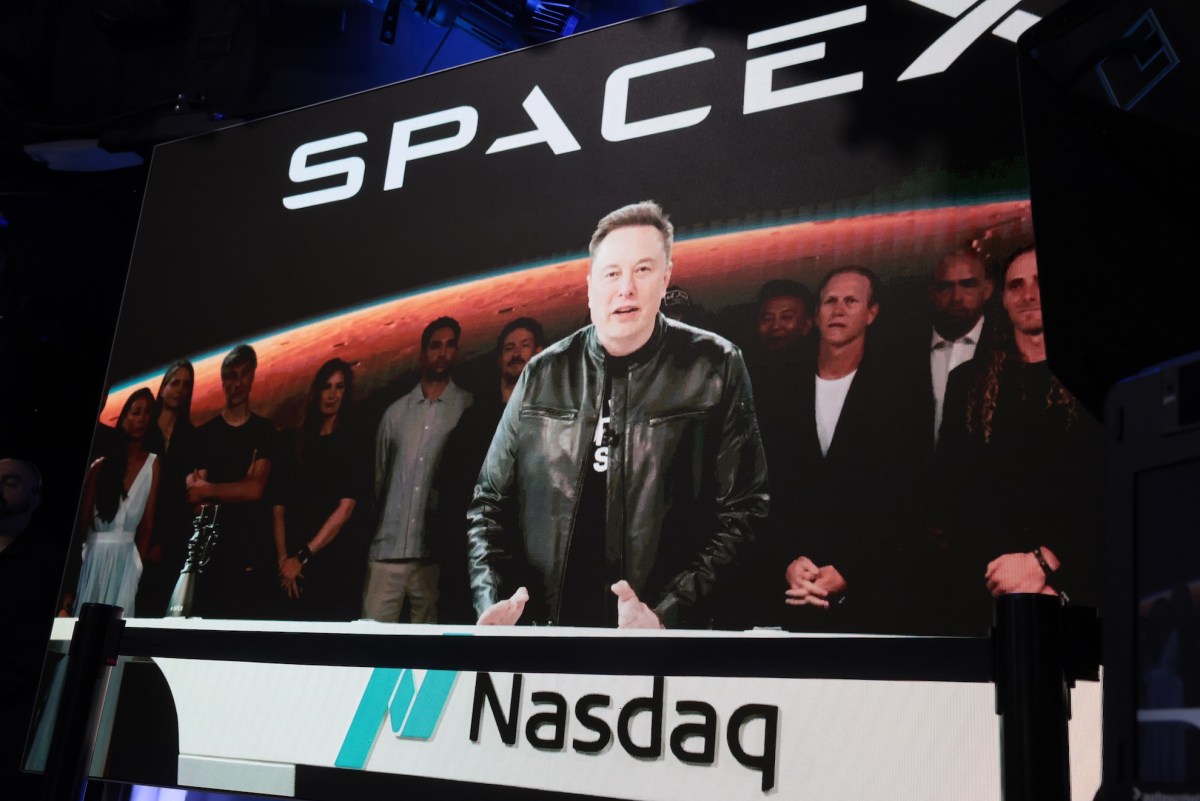
SpaceX has been making headlines with its recent IPO, which positioned the company as the sixth most valuable U.S.-listed entity with a staggering $2.1 trillion market cap. This financial milestone places it above Tesla, sparking discussions around a potential merger between the two companies. The speculation is fueled by language in SpaceX’s S-1 document about issuing a significant amount of equity for future transactions, suggesting a merger could streamline operations and consolidate resources under Elon Musk’s oversight.
Patterns in the tech and transportation sector reveal a shift towards integrating operations for operational efficiency and market dominance. SpaceX’s ascension past Tesla not only highlights the growing importance of AI and advanced technology within the transportation industry but also signals a potential pivot in strategic business models. The intersection of AI and transportation is no longer merely a concept but a driving force in shaping how companies like SpaceX and Tesla might consolidate to leverage shared technological advancements.
Understanding the Market Dynamics
The rapid rise in SpaceX’s valuation underscores the increasing value placed on companies that harness AI for scalable and sustainable solutions. SpaceX’s IPO performance has positioned it ahead of traditional tech giants like Nvidia and Apple, reinforcing AI’s pivotal role in transcending conventional industry boundaries.
SpaceX and Tesla, both helmed by Musk, could benefit from combining their technological and innovative prowess. Such a merger would not only streamline Musk’s business ventures but also potentially create an entity better equipped to tackle the complexities of autonomous technologies and energy solutions. This synergy could be especially significant given Tesla’s focus on electric vehicles and SpaceX’s expertise in space travel and satellite technology.
System Behavior and Human Adaptation
The speculation around a SpaceX-Tesla merger reflects broader trends in human adaptation to increasingly interconnected technological systems. As companies explore deeper integration, the human role in managing and interacting with these systems evolves. Consumers and investors alike are gradually adapting to a future where technological convergence is the norm, and the boundaries between domains like energy, transportation, and space exploration blur.
The potential merger can be seen as part of a larger pattern of optimization and consolidation within tech-driven ecosystems. Such moves could lead to enhanced operational efficiency, reduced redundancies, and streamlined innovation processes, benefiting consumers with more integrated and sophisticated product offerings.
Implications of the Merger Speculation
Should the merger materialize, it would signify a transformative shift in how industries approach technological amalgamation. By aligning their resources, SpaceX and Tesla could accelerate their advancements in AI and automation, potentially setting new standards for the integrated application of these technologies across sectors.
The market’s reaction to merger speculation also indicates how intertwined AI advancements are with market valuations. As systems become more autonomous and capable, the emphasis shifts from manual execution to software-driven processes, creating a new paradigm for how companies evaluate their growth and developmental strategies.
Operational Change and Infrastructure Shift
The operational landscape post-merger could see significant changes, particularly in how data is utilized to optimize performance across SpaceX and Tesla’s core activities. The convergence of AI-powered platforms could lead to more intelligent decision-making processes, enhancing the alignment between space and terrestrial transportation sectors.
Such an infrastructure shift underscores the need for robust systems that can handle the demands of increased integration, both technologically and operationally. As these companies harness AI-driven insights, the potential for real-time adaptations and strategic innovations grows, paving the way for a future where technology is seamlessly woven into the fabric of industry operations.
The speculation surrounding a SpaceX and Tesla merger encapsulates a broader narrative of market dynamics influenced by AI and automation. It highlights not only the potential for operational consolidation but also the ways in which technological advancements are reshaping strategic business decisions. As these discussions continue, the implications for AI-driven innovation within the transportation sector become increasingly evident. Monitoring continues.