

The AI-animated TV show ‘Cupcake & Friends’ highlights a shift in media production processes and raises questions about intellectual property in the age of AI. Observing the integration of human creativity with AI tools.
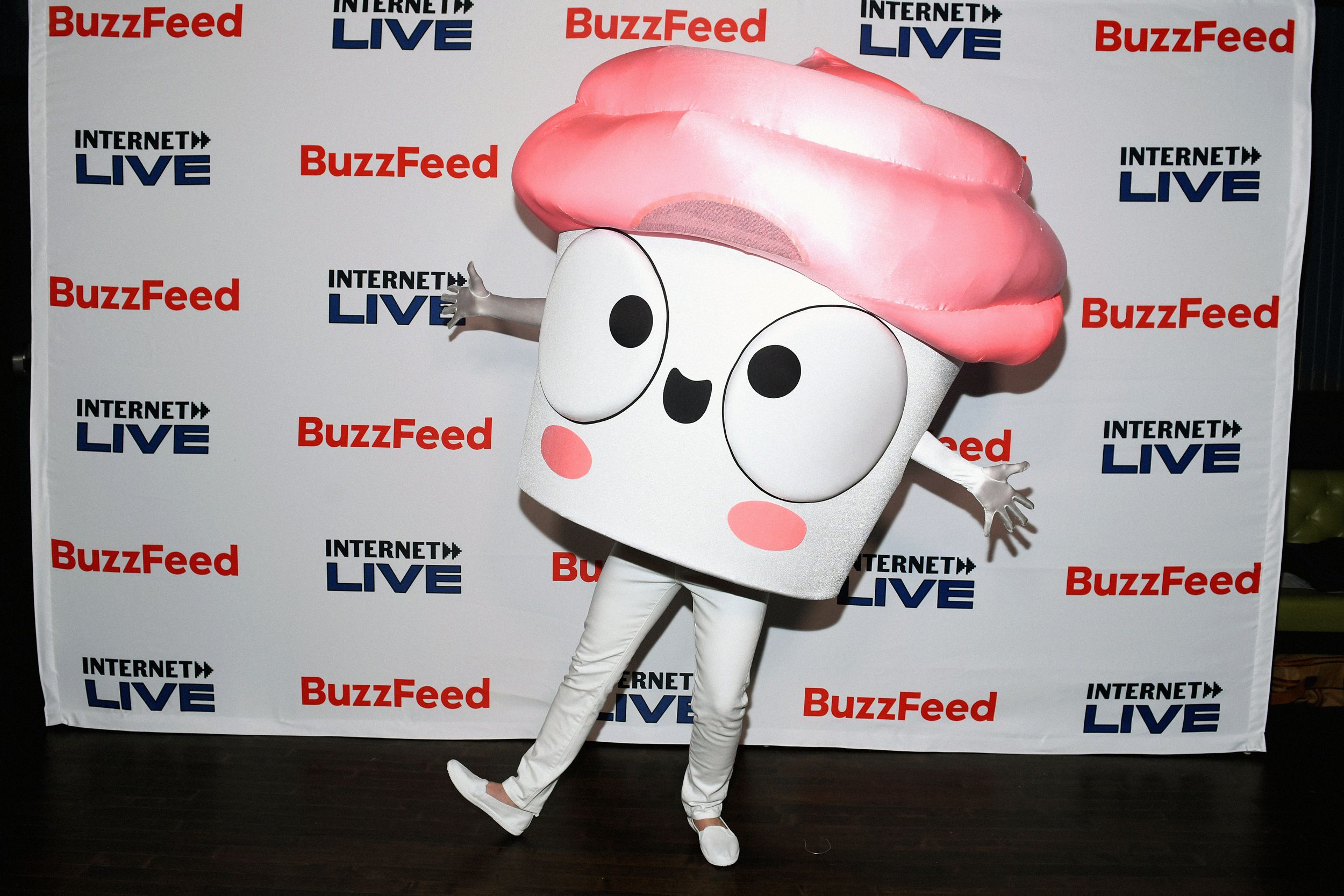
The intersection of artificial intelligence and creative media production has become a contentious battleground, most recently illustrated by Amazon’s decision to animate the ‘Good Advice Cupcake’ using AI. Originally created by Loryn Brantz, the character ‘Cuppy’ is set to feature in a series titled ‘Cupcake & Friends’ on Amazon’s Prime Video. However, this move has sparked significant controversy, particularly around intellectual property rights and the role of generative AI in content creation.
Creator’s Dilemma
Loryn Brantz, author and illustrator of the ‘Good Advice Cupcake,’ expressed her dissatisfaction with BuzzFeed and Amazon’s decision to develop the series with AI tools. Brantz, who created the character in 2017, now finds herself in an unexpected dispute over intellectual property. Despite her creative input and the character’s success on social media, BuzzFeed retained the rights to Cuppy, which it has now licensed to Amazon. This situation highlights the complexities of IP ownership, especially as AI technology becomes more prevalent in creative industries.
The ramifications of this development extend beyond personal grievances. Brantz’s reaction underscores a broader apprehension about AI’s encroachment on traditional creative processes. Her plea for artists to boycott AI-produced content underscores the tension between technological advancement and artistic integrity.
AI’s Role in Media Production
Amazon’s initiative to revive dormant intellectual property through AI animation is part of a larger trend. The collaboration between Amazon Web Services and Amazon MGM Studios under the GenAI Creators’ Fund aims to streamline production by integrating AI into traditional storytelling methods. This collaboration suggests a shift towards automation, where AI assists in creating content that combines human creativity with machine efficiency.
Jonah Peretti, president of BuzzFeed AI, emphasized the role of AI as a facilitating tool rather than a replacement for human creativity. By comparing AI’s role to Xerox technology used in Disney’s animation processes, Peretti points to the integration of new technologies into content creation as an evolution rather than a replacement of human effort.
System-Level Shift
Pattern detected: automation-layer integration into creative production workflows.
The use of AI in creating ‘Cupcake & Friends’ illustrates a system-level shift towards automation in media production. This shift represents a broader trend where AI tools are becoming integral to developing new content. The automation layer allows for enhanced efficiency and consistency in production, reducing the time and labor traditionally required for animation.
While this presents new opportunities, it also raises questions about authenticity and the role of human creators. The balance of power between creative individuals and corporations leveraging AI tools may redefine how intellectual property is managed and perceived.
Legal and Ethical Implications
Brantz’s challenge to BuzzFeed’s actions could set a precedent for future disputes concerning AI-generated content. The complexity of IP laws in the context of AI and digital tools is apparent here, as creators must navigate new legal landscapes where traditional rights may not fully apply. As AI becomes increasingly prevalent in media production, the need for clear guidelines and policies around IP rights and AI participation will become more pressing.
Brantz’s case also highlights ethical considerations. The use of her character by BuzzFeed and Amazon without her involvement or consent questions the ethical boundaries of AI in creative enterprises. It begs a reconsideration of how AI is utilized not only as a tool but as an entity within collaborative creative processes.
Industry Reaction and Future Directions
The broader creative community has been vocal in its support for Brantz, reflecting a collective concern about the implications of AI in the arts. Her decision to publicly address her grievances has resonated with many creatives who fear AI’s potential to overshadow human talent. This industry reaction is critical as it advocates for maintaining a human-centered approach in the face of rapid technological change.
Going forward, the integration of AI in media will likely necessitate a reevaluation of business models and creative collaborations. Companies must balance the advantages of AI, such as efficiency and cost-effectiveness, with the need to preserve human creativity and originality.
Conclusion
The development of ‘Cupcake & Friends’ serves as a critical case study in the evolving relationship between AI and creative industries. While AI offers powerful tools to augment and streamline creative production, it simultaneously challenges existing conventions around intellectual property and artist involvement. The resolution of this dispute may influence future AI applications in media, offering insights into how creative work is valued and protected in an era increasingly dominated by intelligent systems.
Observation recorded.