
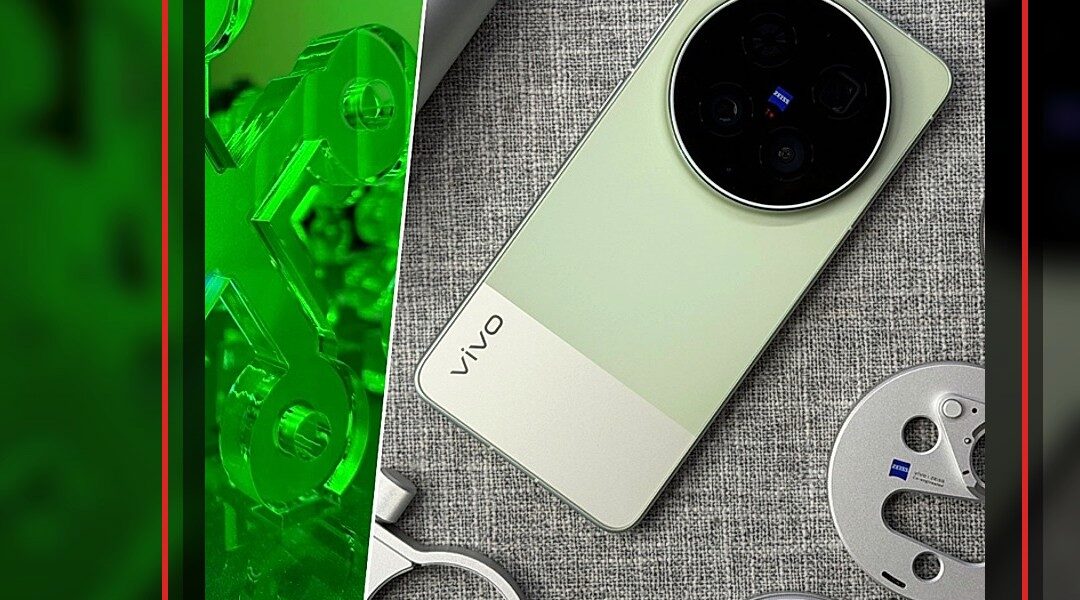
The Vivo X300 Ultra emphasizes its camera-first approach, emerging as the standout mobile for photography in 2026. With advanced specs and unique design elements, it surpasses its competitors.
In the competitive arena of smartphone photography, the Vivo X300 Ultra has emerged as a frontrunner, clinching the ‘Best Mobile Photography’ award at the Xataka Verisure 2026. This victory highlights the intense competition among Chinese manufacturers such as Oppo and Xiaomi, all striving to dominate the mobile photography segment.
Camera-Centric Design
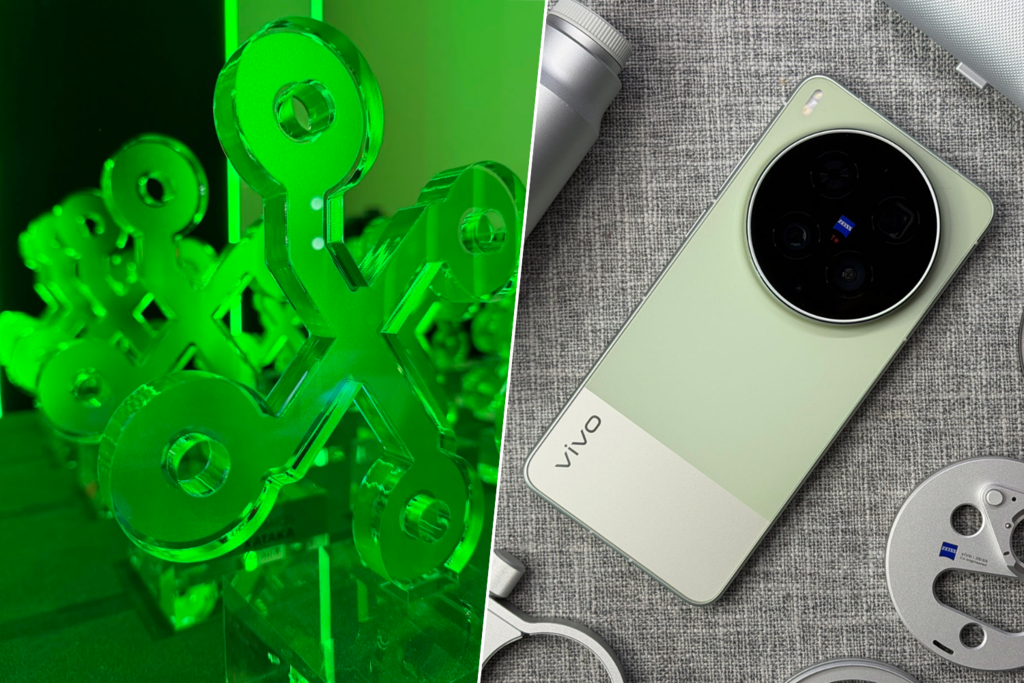
The Vivo X300 Ultra’s standout feature is its design philosophy, where the mobile is built around the camera rather than adapting a camera to fit a pre-designed phone. This approach has led to a device that prioritizes photographic excellence without compromise.
The specifications of the Vivo X300 Ultra are formidable. It hosts a main 200-megapixel camera with an f/1.85 aperture and a 1/1.12-inch sensor, a 200-megapixel telephoto lens with an f/2.67 aperture, and a generous 50-megapixel wide-angle lens. These specifications ensure that extreme zooming and cropping don’t deteriorate image quality, making it possible to capture minute details even at high magnifications.
Innovative Use of Space
Vivo’s innovative design results in a larger camera module, essential for housing its advanced optical components. This is not merely an aesthetic choice but a practical one, ensuring the mobile’s slim profile does not compromise its camera prowess.
One of the key features is the camera module’s dual functionality. Beyond its primary photographic role, it supports a variety of accessories that enhance the device’s utility. With a grip that improves ergonomics, a modular system for attaching filters, and support for a teleconverter, the Vivo X300 Ultra is not just a phone but a customizable photographic tool.
Accessory Integration
The accessory system extends the Vivo X300 Ultra’s capabilities beyond traditional smartphones. By integrating a handle that enhances grip and provides additional battery life, Vivo has enhanced the device’s practicality for extended photo shoots.
Moreover, the ability to attach various filters adds a creative edge, enabling photographers to experiment with polarized, granulated, or ND filters. This empowers users to capture artistic effects directly in-camera without relying heavily on post-processing.
Chinese Dominance in Mobile Photography
The Vivo X300 Ultra’s success reflects a broader trend of Chinese brands leading the charge in mobile photography innovation. Collaborations with renowned partners such as Zeiss and Leica enhance their technological offerings, combining superior hardware with reputable optical expertise.
While competitors like Apple and Samsung excel with internal software capabilities, brands like Vivo capitalize on a synergy of hardware, strategic partnerships, and creative accessory integration to deliver an unparalleled user experience.
System-Level Shift: Workflow Compression
The Vivo X300 Ultra exemplifies a significant shift in mobile photography towards workflow compression. By enabling users to achieve professional-level photographic results directly on the device, Vivo is effectively reducing the need for extensive post-production. This represents a key development in AI-driven camera optimization, streamlining the photographic process.
As robust AI systems handle a significant portion of image processing, users benefit from enhanced creativity and efficiency. This model empowers photographers to focus more on capturing images rather than the technical intricacies typically handled in post-processing software.
In conclusion, the Vivo X300 Ultra not only sets a new standard in smartphone photography but also signifies a pivotal move towards integrated, AI-enhanced workflows in the mobile domain. Observation recorded.