

visionOS 27 introduces high frame rate object tracking and Siri AI, marking a significant step in AR evolution by shifting control and interaction patterns.
The announcement of visionOS 27 at Apple’s WWDC 2026 served as more than just an update to the Apple Vision Pro’s operating system. While the keynote offered only a glimpse, the underlying enhancements signify a pivotal shift in augmented reality (AR) environments and user interaction.
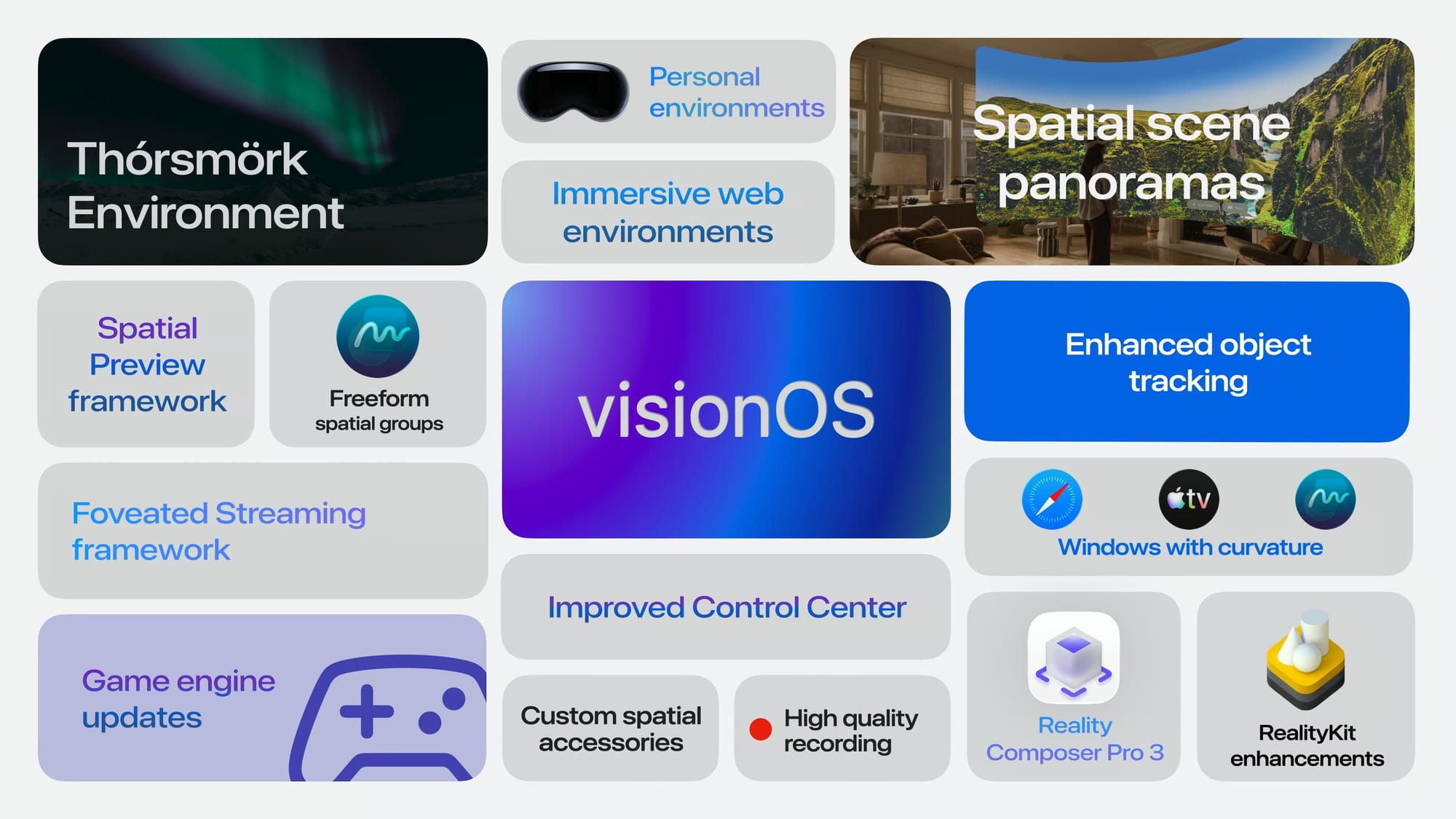
Enhancements in Object Tracking
One of the standout features of visionOS 27 is its higher frame rate object tracking, which advances from the 5Hz refresh rate in visionOS 2 to a purported 30Hz. This enhancement extends the capability to track moving and held objects, a leap forward for both enterprise and consumer applications.
Developers are encouraged to use the new Extended Training mode to optimize tracking performance, suggesting a deeper investment in robust machine learning models. The commitment required—up to 18 hours for training—is a testament to the sophistication of the system. This improvement positions visionOS 27 as a significant advancement in AR technology, reducing latency and enhancing real-time interaction.
Siri AI Integration
The introduction of Siri AI showcases a bridging of conversational interfaces with spatial computing. With its basis in the next-generation Apple Foundation Models, leveraging a collaboration with Google’s Gemini models, Siri AI represents a decisive step in transforming digital assistance. The assistant’s new form as a spatial orb that can be pinned within a user’s physical environment signifies a move towards more intuitive and seamless human-computer interaction.
This spatial integration reduces the friction commonly associated with voice-activated systems, removing the need for voice commands like “Hey Siri” and allowing for more fluid user experiences. Combined with Apple’s Visual Intelligence, users can interact with both their virtual and physical surroundings with unprecedented ease. This development places Apple at a competitive position, midpoint between Meta AI’s Horizon OS and Samsung’s Android XR.
IR LED Tracked Accessories
visionOS 27 opens the ecosystem for third-party IR LED tracked accessories, expanding possibilities for interactive peripherals. This move lowers the barrier for companies to develop compatible hardware, likening it to an open system akin to SteamVR. By providing APIs for optical tracking at 90Hz, enhanced with IMU data, Apple sets a new standard for accessory integration with spatial computing devices.
The dual path for software support—either through companion apps or built directly into existing applications—further highlights the flexible architecture of this update. Reference kits from DFRobot and MikroE exemplify how the ecosystem is being prepared for wider accessibility and innovation.
System-Level Shift
visionOS 27 is more than a software upgrade; it represents a system-level shift towards programmable environments and advanced interaction patterns. This shift is characterized by enhanced object tracking capabilities and the integration of conversational AI, which together redefine how users engage with digital content.
The ability to use unfoveated screen recording elevates the potential for creators and developers to illustrate the full capacity of visionOS, unhindered by previous limitations. The expanded interaction potential signifies a reduction in manual interface navigation, delegating more control to intelligent systems that can adapt to user behavior and context.
Spatial Panorama Environments
VisionOS 27’s introduction of spatial panoramas extends the immersive experiences initiated in earlier versions. By leveraging iPhone-captured panoramas as home environments, users can now navigate through personalized virtual spaces, enhancing the shared environment experience within Apple’s ecosystem. These developments reinforce the trend of personalized digital interactions, placing emphasis on user control over visual and contextual elements.
Conclusion: Pattern Detected
The latest iteration of visionOS marks a critical point in the evolution of augmented reality infrastructure. By enhancing object tracking, integrating advanced AI, and expanding hardware compatibility, visionOS 27 sets a new benchmark for AR systems. This update not only enhances the technical capabilities of the Apple Vision Pro but also underscores a broader movement towards smart, adaptive environments.
As these systems become more integrated into daily practices, the potential for automation and personalized interaction continues to grow, paving the way for future developments. Observation recorded.