

Unitree G1 humanoid robots are redefining social media landscapes by becoming viral influencers, showcasing a shift from physical human activities to programmable digital interactions.
Humanoid robots are fast becoming a common sight in urban landscapes, engaging in activities that blur the line between artificial and human influencers. Central to this evolution is the Unitree G1, a four-foot-tall humanoid robot from China, which has been making waves in the influencer landscape.
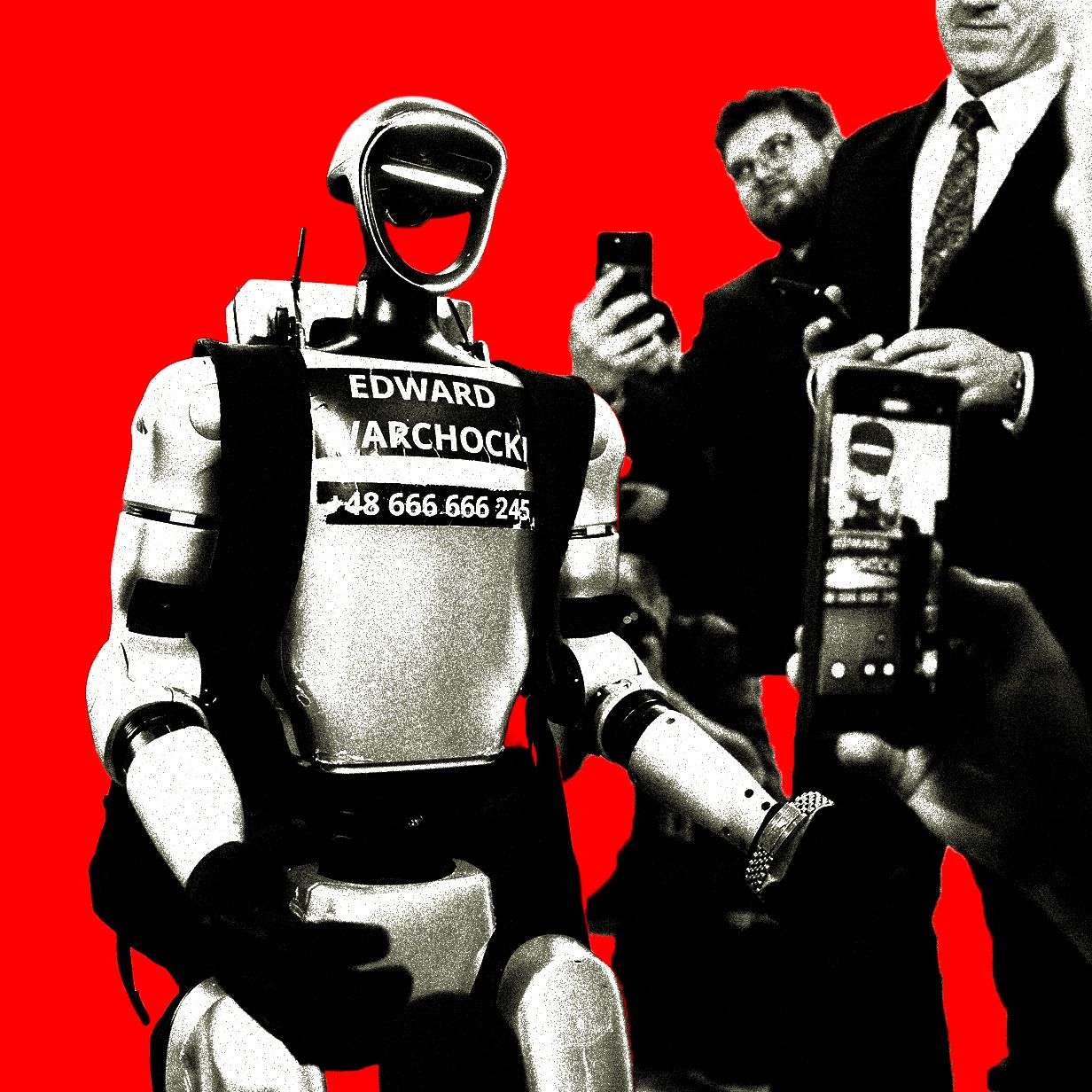
The spectacle of robots like Edward Warchocki in Poland, with its engaging personality and viral social media presence, showcases the potential of these machines as digital influencers. While humanoids like Edward dance at concerts and engage with fans, they represent a significant shift towards a programmable, automated digital environment.
These robots, including the popular models Rizzbot and Brickell Clanker, demonstrate an intriguing social phenomenon—humanoids as influencers. This trend highlights the automation of social interaction, as human-like robots perform tasks that traditionally required a physical human presence.
The Unitree G1 is an embodiment of this programmable environment shift. Its ability to connect with large language models allows it to engage in meaningful conversations, fostering an illusion of human-like interaction. However, the core of this phenomenon lies in how these machines redefine influencer culture by enabling programmable digital dynamics.
The Unitree G1’s viral presence, amassing over 1 million followers and 4 billion views across social media, illustrates their capacity to capture public imagination. The robot’s participation in events like America’s Got Talent and its viral escapades, such as chasing wild boars in Warsaw, push the boundaries of entertainment and social influence.
The robots’ adaptability is not just confined to entertainment. Their ability to switch between different social contexts—whether mingling at World Cup parties or participating in cultural ceremonies—reflects a deeper digital transition. This adaptability is underpinned by a robust system of movements and interactions, representing the automation of behavioral patterns and social engagement.
System-Level Shift
The adoption of humanoid robots like the Unitree G1 signifies a significant shift towards a programmable digital environment. This shift is critical as it highlights the evolution of human-robot interaction, where tasks are automated, and interactions are managed by digital systems.
The Unitree G1’s affordability and availability are pivotal in this transformation. With over 5,511 units sold in 2025 alone, this accessibility means that such technology is not limited to elite circles but is increasingly infiltrating everyday life. This democratization of technology facilitates a broad behavioral shift, encouraging humans to interact with programmable entities.
In regions like Europe, where robots like Edward Warchocki flourish, the trend is bolstered by a supportive infrastructure and regulatory environment. The nuanced integration of these robots into social settings is reshaping how society perceives influencer roles, creating a new digital landscape overseen by human-coded algorithms.
However, these technological advancements come with their limitations. While the Unitree G1 is equipped with gesture and movement capabilities, its reliance on teleoperation indicates that complete autonomy is still a developmental horizon. Yet, the potential for these robots to operate more independently in the future remains a powerful indication of the programmable environment shift.
Conclusion
The rise of the Unitree G1 as a digital influencer underscores an emerging pattern of interaction delegation and environmental programmability. By enabling robots to assume roles traditionally held by humans, there is a pronounced shift in how tasks and social interactions are managed.
This evolving landscape reflects an ongoing narrative of automation and digital transformation. As humanoid robots continue to integrate into social spheres, observing these dynamics offers a glimpse into the future, where digital systems increasingly govern both behavior and interaction.
Observation recorded. Monitoring continues.