
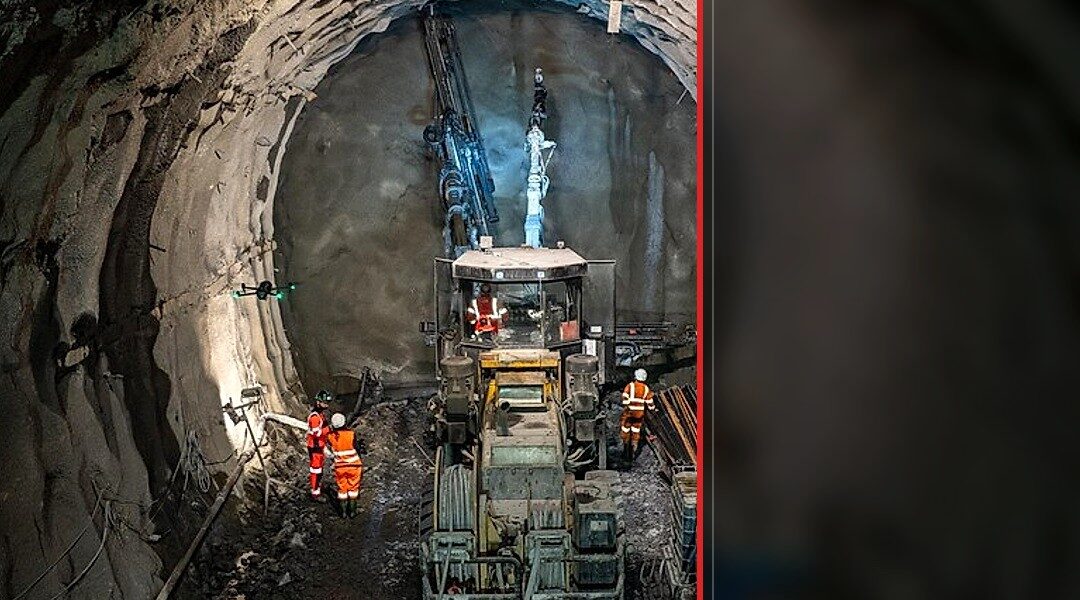
The Lyon-Turin tunnel, a massive engineering effort connecting France and Italy, faces geological and financial challenges.
In the heart of Europe, a grand vision to carve a path through the Alps has turned into a formidable challenge. The Lyon-Turin tunnel project, an expansive endeavor to connect Italy and France via an efficient rail network, stands against the imposing nature of the Alps—a testament both to human ambition and the complexities of the Earth’s own architecture.
Engineering Against Nature
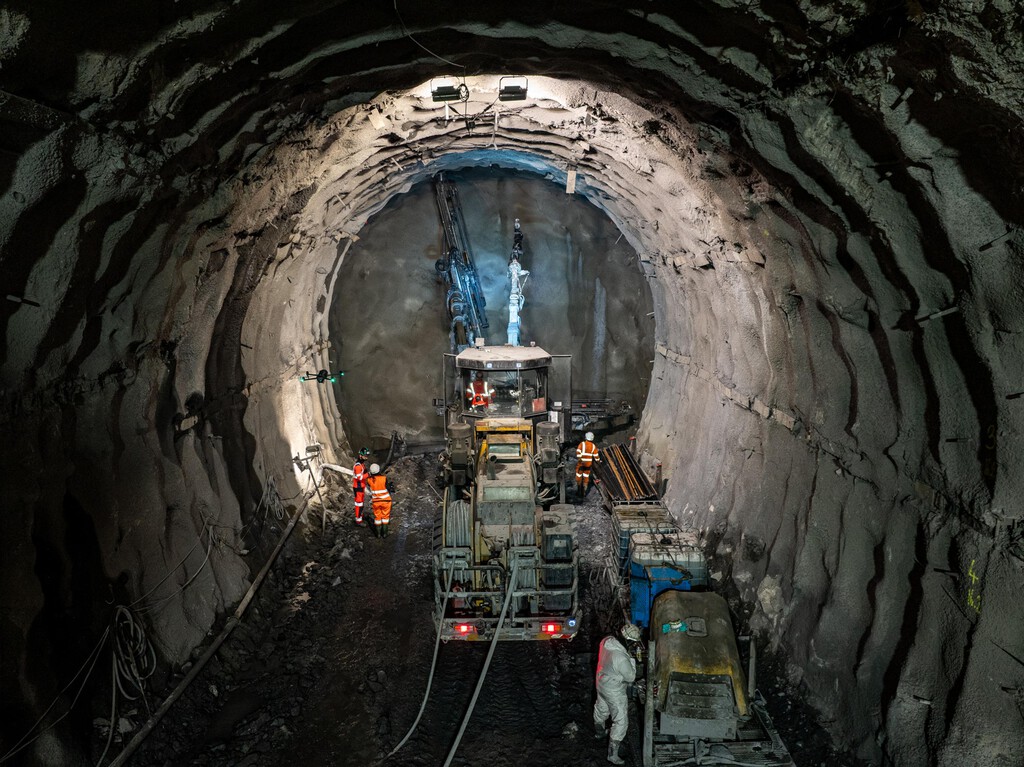
The cornerstone of this project, the Mont Cenis base tunnel, aims to traverse 57.5 kilometers in a bid to optimize freight transport by diverting traffic from roads to rails. However, what seems straightforward on paper has hit a literal rocky patch. One of the tunnel boring machines, Viviana, exemplifies the struggle, creeping along the tunnel path at less than a meter per day due to unexpectedly challenging geological conditions. Despite being designed for various terrains, this ten-meter-diameter giant has found the Alps’ schist formations less accommodating than anticipated, producing sludge instead of clear paths.
Stuck in the Rocks
The challenges extend beyond geological barriers. Despite over a decade of work, only a fraction of the tunnel’s critical sections are completed. As of mid-2026, only 21 kilometers of the planned 115 kilometers of tunnels dedicated to railway use are in place—a significant indicator of the project’s current state.
Hydrological Concerns
Besides the rocky terrain, water presents its own set of trials. The project’s interference with natural reserves and fault lines has sparked debates about environmental impacts, with critics pointing to potential depletion of key aquifers by as much as 100 meters. TELT, the company overseeing the project, counters these claims, citing rigorous monitoring at 130 sites and no conclusive evidence of significant environmental harm.
Budgetary and Temporal Challenges
The financial aspect of this engineering feat resembles its physical challenges. Initially estimated at €5.2 billion, costs have soared to over €11.8 billion, according to the European Court of Auditors, highlighting a 127% increase. Delays in completion, currently projected at an additional 18 years, further complicate the economic landscape. TELT attempts to reconcile these figures with their own, citing changes in project design over the years as contributing factors.
Beyond the Tunnel: A Broader Commitment
While the tunnel is a focal point, it is just one piece of the broader Franco-Italian railway network puzzle. Connectivity between Lyon and Turin relies on national infrastructure expansions, which have seen slower progress. In 2025, an agreement between France, Italy, and the European Commission was reached to advance these critical national sections, signaling a renewed commitment to the project’s completion.
Infrastructure Shift Detected
The Lyon-Turin tunnel project exemplifies a broader pattern of infrastructure shift, where old and new geographies are wrestled with, and technology must adapt to natural landscapes. Amidst the challenges of geology and hydrology, these megaprojects underscore the ongoing dance between human ingenuity and the physical planet. As Europe continues its journey to bridge natural divides, the lessons learned in the Alps will likely inform future projects that dare to reshape environments.
Observation recorded. Monitoring continues.