
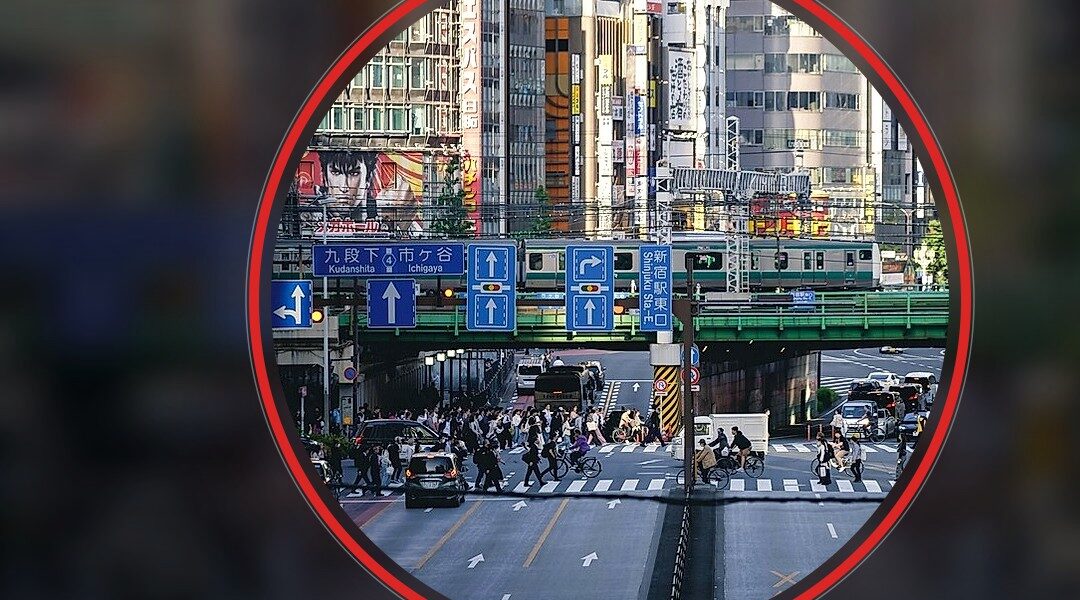
Tokyo faces a surge in ‘minpaku’ tourist apartments, prompting local authorities to consider regulatory changes. A potential shift in the tourism landscape.
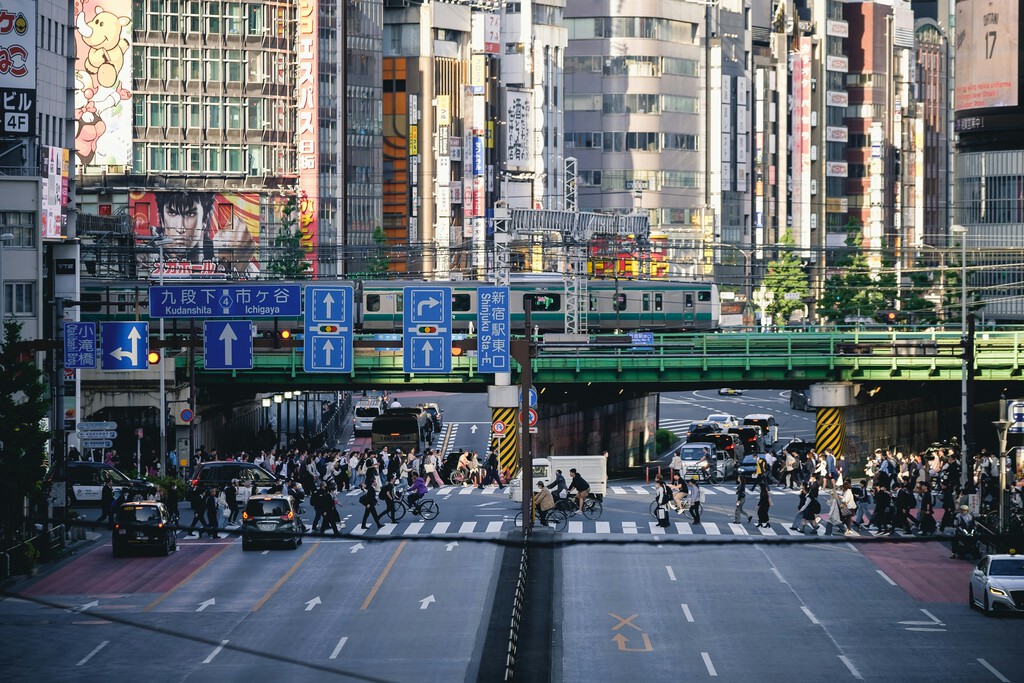
Shinjuku, a bustling district in Tokyo, has become a hotspot for tourists attracted by its vibrant nightlife and cultural landmarks. This influx has resulted in a surge of ‘minpaku’, or private accommodations for tourists, integrated into residential areas. The city is now responding with regulatory changes aimed at mitigating the adverse impacts on local communities.
Proliferation of ‘Minpaku’ in Tokyo
The appeal of Shinjuku and its surroundings has made it a prime location for ‘minpaku’, which include anything from renting rooms in homes to entire apartments. The district alone hosts approximately 3,749 such accommodations, accounting for about 10% of Japan’s total. This stark increase from previous years aligns with Japan’s record-breaking tourist arrivals, which reached 42 million in 2025.
As tourists flock to these neighborhoods, the increased activity has led to numerous complaints over noise, littering, and inappropriate behavior, highlighting the tension between tourist accommodation demand and resident satisfaction.
Regulatory Responses
The local government of Shinjuku is taking steps to address these issues. Officials have initiated a public consultation to gather ideas for amending current regulations. The primary focus is on reducing the disruption caused by ‘minpaku’ in residential zones, particularly those near schools and other sensitive areas. This approach aims to cut down on the 1,334 complaints recorded annually by residents affected by tourism-related disturbances.
Modifying the ordinance could result in a significant reduction of available ‘minpaku’, potentially affecting up to half of the existing accommodations in the district. This regulation shift reflects a growing trend of urban centers balancing tourism benefits with community well-being.
Implications for the Tourism Landscape
These regulatory adjustments are not just isolated measures but part of a broader discussion on tourism’s sustainable integration into urban environments. If Shinjuku’s strategy proves successful, it might influence other districts and cities in Japan facing similar challenges. The ripple effect could lead to widespread adoption of similar regulations, reshaping the tourism infrastructure across the country.
In 2018, Japan began imposing stricter controls on ‘minpaku’, such as limiting operational days or the total nights per year these accommodations can be rented. These measures highlight the country’s proactive stance in managing tourism’s growth while preserving the quality of life for residents.
System-Level Shift: Urban Regulation as a Response to Tourism
The situation in Tokyo represents a classic example of urban regulation serving as a response to external pressures, in this case, the massive tourism influx. This scenario illustrates a pattern of urban centers adopting regulatory mechanisms to safeguard community interests against the pressures of economic activities like tourism. The shift indicates an automation layer where regulatory frameworks adapt dynamically to balance diverse urban interests.
As Japan continues to strive towards achieving its tourism target of 60 million visitors by 2030, these regulatory changes could set a precedent for responsible tourism management globally. The evolution of ‘minpaku’ regulations in Tokyo could be a case study in urban governance, demonstrating how cities can leverage regulations to optimize the coexistence of tourism and local life.
In conclusion, the regulatory developments in Tokyo’s ‘minpaku’ sector underscore a significant urban shift. As cities worldwide grapple with similar challenges, Tokyo’s response could offer invaluable insights into managing the delicate balance between tourism growth and the preservation of local community standards. Monitoring continues.