
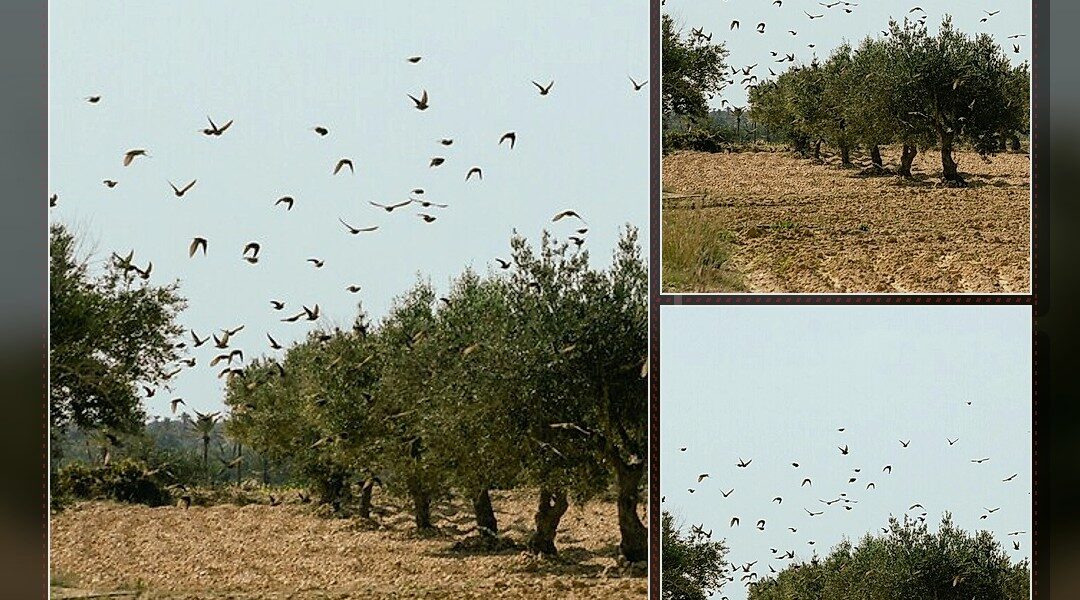
Tunisian olive oil, free of tariffs, challenges Spanish producers amidst pricing negotiations, altering agricultural dynamics within the EU.
In a rapidly changing landscape of international trade within the European Union, Spanish olive oil producers face new pressures from an unexpected source: Tunisian olive oil. This commodity is entering Spain in significant quantities, tariff-free, under a special regime, posing new challenges for local producers.
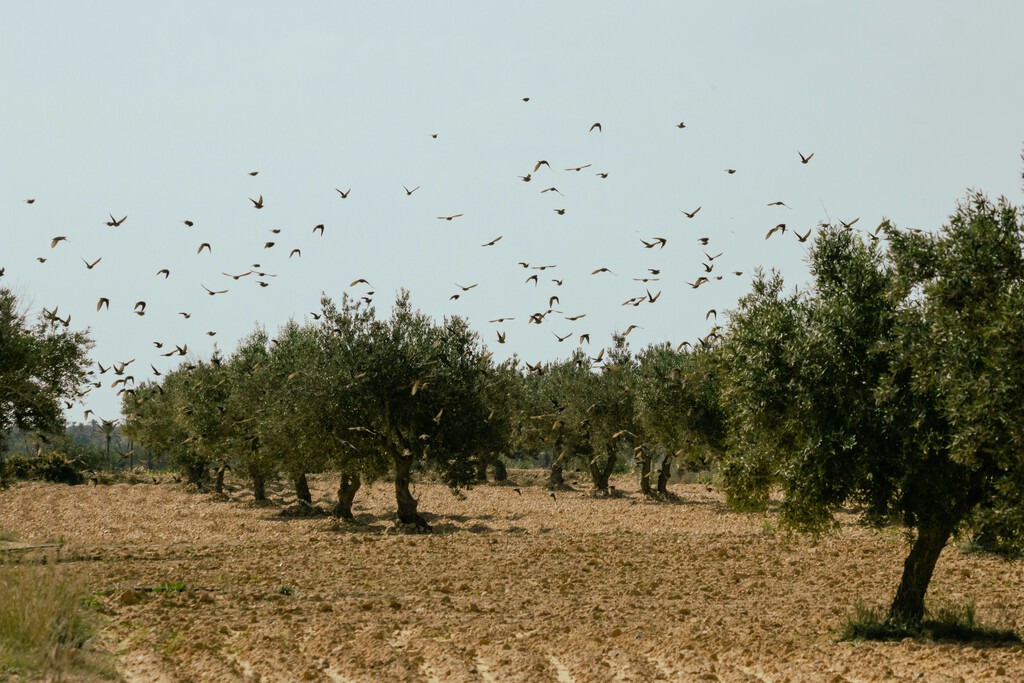
The Path of Tunisian Olive Oil
The crucial shift occurred when Tunisian olive oil began entering Spain under the ‘active-passive improvement’ status. This regime allows non-EU commodities, intended for processing and re-export, to bypass import duties. According to COAG and data from the Junta de Andalucía, 76.3% of the Tunisian ‘liquid gold’ that entered Spain from January to April did so without tariffs, marking a significant increase from the previous year’s 62%.
This influx isn’t trivial. Despite the oil not being directly aimed at Spanish consumers, its presence influences local market dynamics. As the COAG emphasizes, this isn’t a battle of tariffs but one of margins. The Spanish olive oil sector finds itself at a disadvantage, unable to compete with the lower costs of importing Tunisian oil, which ultimately pressures local pricing structures.
Economic and Political Repercussions
The implications of this shift are significant. The Junta de Andalucía and Extremadura have urged the Spanish government to address the situation at the EU level. Even the Agriculture Minister, Luis Planas, acknowledged the concerns, though he pointed out that Tunisian imports represent a mere 5.2% of Spain’s total oil resources.
Despite the modesty of this percentage, the psychological impact on Spanish producers is noteworthy. The local industry, already grappling with droughts and volatile harvests, perceives the influx as a threat to their competitive edge.
Broader European Context
The situation isn’t isolated to Spain. Other major EU olive oil producers, such as Italy, have experienced similar pressures. In Italy, the influx of low-cost Tunisian oil has been linked to plummeting prices, straining relationships between producers and bottling industries. A reported 40% increase in Tunisian olive oil imports forced numerous Italian producers into losses just last year.
This broader pattern suggests a potential shift in how agricultural economies within the EU handle external competitive pressures, possibly leading to stricter regulations or policy adjustments to protect internal markets.
Detected Pattern: Platform Control
The situation underscores a shifting pattern in platform control within the agricultural market. As countries like Tunisia leverage free-trade agreements to expand their reach within the EU, the balance of trade is increasingly influenced by regulatory frameworks rather than purely economic forces. This dynamic represents a form of platform control, where trade policies and regimes dictate market behaviors and outcomes.
As the landscape continues to evolve, stakeholders watch closely, calling for a nuanced approach to trade policy. While Tunisian oil currently fills a niche in the EU market, its longer-term implications for domestic producers and the agricultural economy remain significant. Monitoring continues.