

Immersive VR concerts like Meta’s Goo Goo Dolls experience are transforming live music by creating presence and intimacy, offering a glimpse into the future of entertainment.
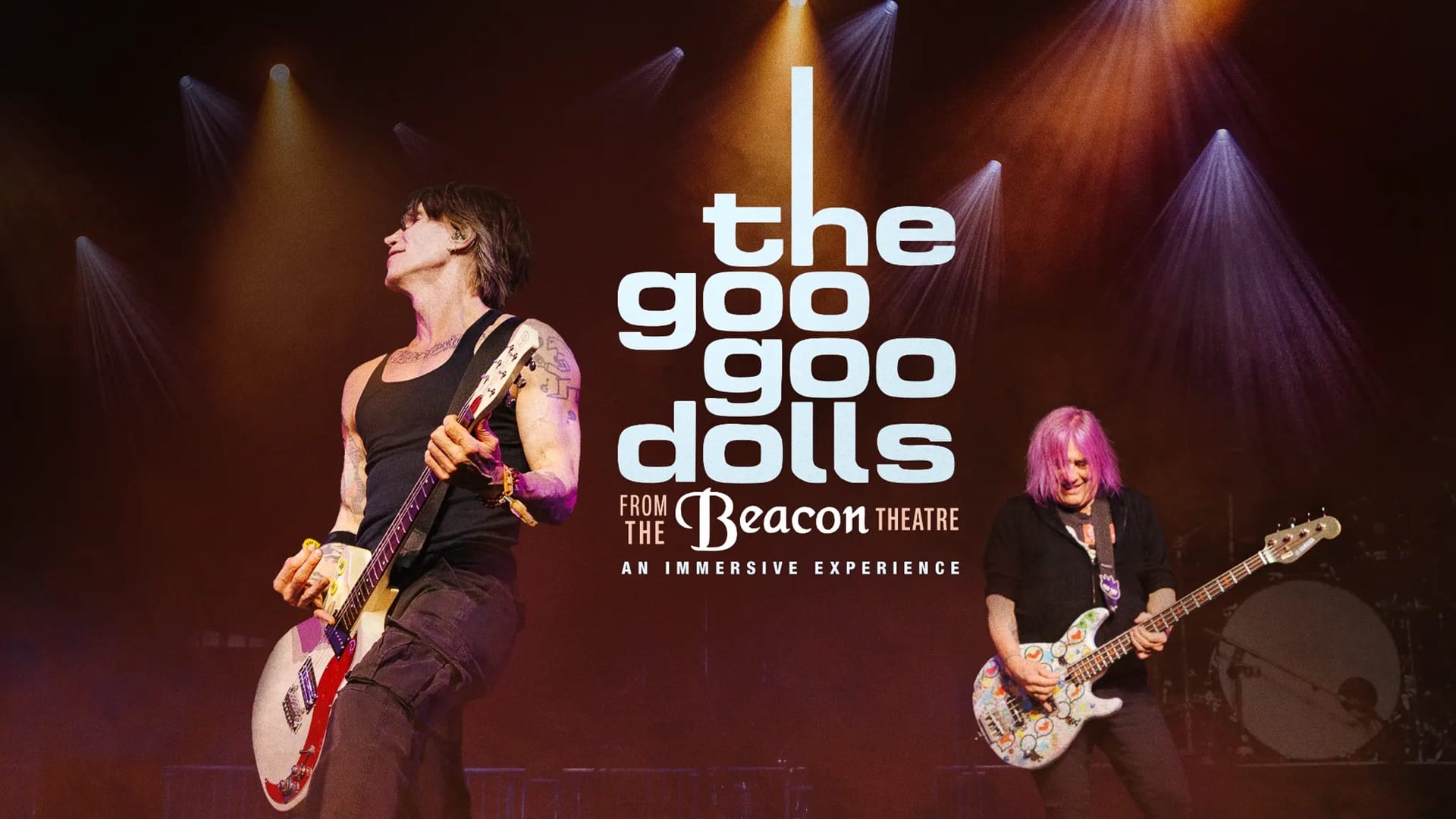
The recent immersive concert featuring the Goo Goo Dolls at New York City’s Beacon Theatre offers more than just a musical experience—it represents a growing trend in how live music is consumed through virtual reality (VR). As part of Meta’s Horizon TV platform, this concert signals not only innovation but also a shift in entertainment expectations.
Immersion through Technology
The Goo Goo Dolls performance in Horizon TV is not just a recording of a concert but an exploration into VR180 video technology, which enhances depth and presence. Attendees using Meta Quest 3 devices experience the concert in stunning detail, with visuals that replicate the intimacy and scale of a live venue. This aligns closely with the essence of live music, invoking the ambiance, lighting, and audience synergy crucial to these events.
Capturing a New Era in Concerts
What sets this VR experience apart is the strategic use of multiple camera angles including immersive rigs on stage. Such configurations allow viewers to occupy virtually inaccessible positions, such as being beside the band during performances. This degree of virtual proximity establishes an intimacy that traditional media cannot offer and showcases the potential of VR in redefining concert attendance.
Behavioral Shift in Entertainment Consumption
Traditional concert-goers accept fixed camera positions as a limitation, but in VR, this factor becomes an asset. The spatial freedom provided by VR cameras allows users to switch perspectives seamlessly, enhancing the viewing experience without disrupting the concert’s atmosphere. This represents a behavioral shift toward embracing technology’s ability to recreate and even amplify live experiences.
The Infrastructure of Virtual Entertainment
Meta’s Horizon TV is gradually emerging as a hub for immersive non-gaming content, supporting a library of experiences that leverage VR’s distinctive capabilities. The incorporation of immersive concerts moves beyond gaming, positioning VR as a comprehensive platform for diverse entertainment opportunities. This transition is also supported by Meta’s partnerships, such as with James Cameron, highlighting ambitions that extend into story-driven 3D media.
System-Level Shift: Interface Dependency
The advent of VR concerts demonstrates a significant system-level shift toward interface dependency where entertainment is increasingly mediated by digital interfaces. This transition implies a redefinition of how attendees interact with live music, modifying expectations about presence and availability of events. The system is not merely passive but interactive, offering experiences that, while not replacing traditional concerts, complement them with unparalleled intimacy and accessibility.
Why This Matters for the Future
For the VR industry, still seeking mainstream entertainment applications beyond gaming, immersive concerts provide a viable pathway. They illustrate how VR can offer something unique in terms of accessibility and presence, positioning it as a potent tool for future entertainment formats. This experiential shift also suggests new methods for artists to engage with audiences, potentially transforming music industry dynamics.
Conclusion: Continuing Observation
As immersive concerts grow in popularity, the importance of understanding and adapting to this shift becomes increasingly significant. They transcend traditional media by offering a sense of presence, redefining how audiences engage with live performances. Monitoring continues as VR evolves from a niche technology into a cornerstone of digital entertainment. This pattern, marked by interface dependency and experiential transformation, signals a broader evolution in cultural consumption.
Monitoring continues.