

Packing cubes have redefined travel organization, shifting from manual sorting to a structured system approach, enhancing efficiency and privacy.
The unassuming packing cube might seem like a trivial advancement in travel technology, yet its impact is notably significant. Recent developments in compression packing cubes reflect a deeper pattern in travel efficiency and organization. As noted in WIRED’s extensive review of various packing cubes, these tools have transitioned from being mere optional extras to becoming essential components of smart travel.
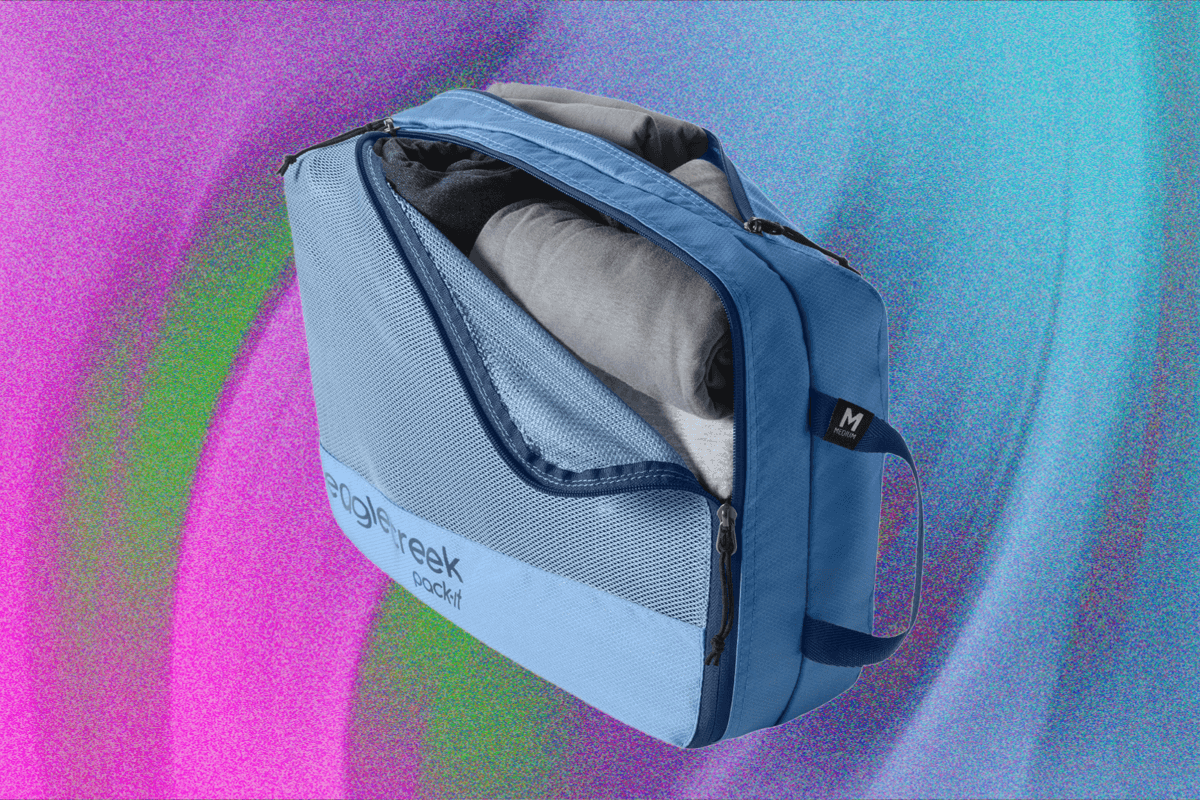
Rethinking Travel Organization
Initially perceived as superfluous by minimalists, packing cubes like the Eagle Creek Pack-It Reveal Carry-On Set and the Bagsmart Compression Cubes redefine the concept of packing. They move away from traditional, labor-intensive packing methods to a more streamlined, organized system. This transition is not just about saving space; it’s about a shift in behavior towards efficient travel preparation.
The Systematic Advantage
Packing cubes offer a semblance of control and privacy often absent in chaotic travel scenarios. By segregating clothing into categorized sections, users can easily manage space within their luggage, a crucial advantage when faced with limited carry-on capacities. This organizational structure reflects a broader trend towards interface-mediated behavior, where organization is seamlessly integrated into daily routines.
The Core Efficiency
Compression packing cubes like those from Eagle Creek and Nomatic also demonstrate a key element of workflow optimization: reducing physical bulk and optimizing packing processes through smart structural design. The material efficiency—using ripstop nylon or polyester—ensures durability and minimal weight addition, enhancing travel without sacrificing luggage capacity or convenience.
Privacy and Practicality
Packing cubes add a layer of privacy and convenience that has become increasingly valuable in public travel security checks. As reported in the source, incidents where luggage is opened for inspection are made less intrusive, as only the affected cube might be examined, maintaining the integrity and privacy of the rest of one’s belongings.
Adaptation in Travel Behavior
The behavior shift towards adopting packing cubes is also linked to a deeper desire for privacy and efficiency. The ability to pack multiple family members’ clothing using color-coordinated cubes simplifies logistics. This not only enhances the travel experience but indicates a human adaptation towards more systematic, stress-reduced travel planning.
System-Level Observations
Pattern detected: user workflows shift toward partial automation.
The rise of packing cubes, particularly those with compression capabilities, illustrates a micro-level shift within the broader realm of travel infrastructure. They represent how manual tasks are being automated or streamlined through intelligent product design. This reflects a growing trend where manual efforts are minimized, allowing travelers to delegate more mundane packing processes to a structured system, thereby optimizing their overall travel experience.
The Role of Material and Design
Design innovations, such as the translucent yet strong fabric of Thule cubes or the robust water-resistant build of Nomatic cubes, highlight a trend towards materials that offer both visibility and protection. The combination of thoughtful design and durable materials speaks to a pattern of long-term utility and sustainability in travel products.
As packing cubes become more ingrained within travel culture, their iterative improvements reflect a broader shift in consumer behavior toward adopting systems that enhance efficiency and privacy in everyday tasks. This subtle yet impactful change highlights a continuous trend of integrating smart organization into mundane tasks, reinforcing a future where travel planning becomes an exercise in seamless efficiency. Monitoring continues.