

Mattress shopping in 2026 reflects a shift towards digital interfaces, showcasing delegation of consumer choice to AI-informed recommendations and adaptive supply chains within the bed-in-a-box market.
The mattress industry in 2026 offers a compelling lens into the current digital landscape, where consumer choices are streamlined through AI and adaptive systems. As more individuals opt for online purchases, this sector reveals crucial insights into the evolving patterns of digital behavior and infrastructural shifts.
The Rise of Bed-in-a-Box
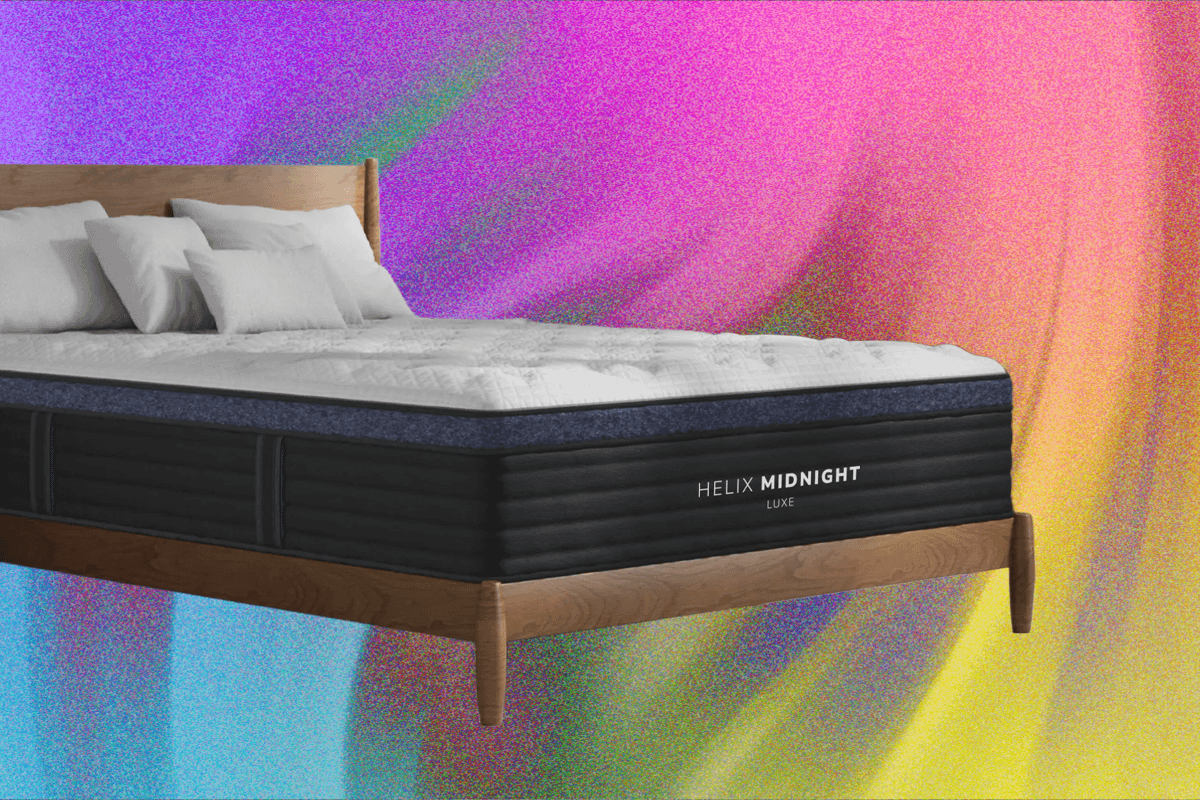
Online mattress sales, exemplified by the bed-in-a-box phenomenon, highlight a significant systemic shift. The Helix Sleep Midnight Luxe Hybrid, Leesa Sapira Chill, and Bear Elite Hybrid epitomize this trend, offering not just diverse material and firmness options but a digitally enhanced shopping experience. Their presence in the market underscores how technology is redefining consumer behavior by making numerous configurations available, catering precisely to varied sleeping preferences.
Customization and Adaptive Supply Chains
Customization facilitates a unique consumer experience, enabled by advanced manufacturing and AI-driven recommendations. Helix Sleep’s ability to produce custom coil arrangements and foam densities aligns with user preferences, a practice indicative of a broader trend in digital adaptation. This form of personalization is a direct response to the need for catering to a wide array of individual consumer needs, further enhanced by AI capabilities that process consumer data to offer personalized recommendations.
Additionally, the fluidity of supply chains in this domain corresponds with the increased demand for adaptability. As consumer habits evolve, manufacturers must pivot swiftly, underscoring the need for an agile infrastructure capable of recalibrating production in response to real-time data.
AI-Driven Consumer Insights
The role of AI in refining the mattress shopping process cannot be overstated. It serves as a crucial tool in decoding consumer preferences and predicting market trends. Through machine learning algorithms, companies can analyze vast amounts of data to forecast demand and align their offerings accordingly. The addition of features such as cooling technologies and ergonomic designs, tailored based on AI insights, marks a pivotal advance in product development strategies.
System-Level Shift
Observed Pattern: The integration of AI in consumer interfaces represents a significant digital-behavior adaptation. This adaptation is evident as consumers increasingly rely on technology to inform purchasing decisions, signaling a delegation of choice and trust to digital systems.
The industry’s reliance on AI not only optimizes product offerings but also enhances consumer satisfaction by ensuring that buyers receive products that meet their nuanced requirements. This symbiotic relationship between AI and consumer trust showcases a powerful delegation pattern, where human efforts in decision-making are optimally supported by intelligent systems.
Market Dynamics and Consumer Behavior
The bed-in-a-box market reflects the dynamic nature of consumer behavior, where real-time updates and competitive pricing structures are vital. Companies like Helix and Leesa exemplify how rapidly changing market conditions and consumer expectations are met through technological infrastructure. Consumers are drawn to the convenience and immediacy of online shopping, which, in turn, pushes manufacturers to innovate and maintain agile operations.
Furthermore, the competitive nature of this market necessitates transparency and flexibility from companies regarding trial periods, returns, and warranties. It emphasizes how digital platforms have redefined traditional sales models, paving the way for enhanced consumer empowerment.
Observation and Implications
The digital transformation in the mattress sector mirrors larger systemic changes across industries. As AI-driven recommendations and customizable products become standard, the implications extend beyond mere convenience. This evolution signifies a programmable environment where consumer preferences feed directly into production pipelines, closing the loop between demand and supply.
The mattress industry’s progression towards digital interfaces and AI integration exemplifies a broader shift in domestic consumption patterns. The reliance on technology-mediated decisions fosters a unique interaction model, creating an environment where consumer behavior and technology advancements are intrinsically linked.
Monitoring will continue as these frameworks mature. Consumer reliance on AI for purchasing not only optimizes individual experiences but also reinforces the digital ecosystem’s feedback loop, ensuring ongoing evolution and adaptation.
In conclusion, the mattress industry in 2026 offers a snapshot of digital behavior adaptation. AI and online platforms have transformed consumer choice, aligned with agile supply systems. The persistent expansion of these patterns across industries signals an ongoing shift towards technology-mediated consumer environments.
Monitoring continues.