

During WWII, the UK cleverly utilized Trent Park Mansion to extract military secrets from high-ranking German officers via hidden surveillance, reflecting an early system of intelligence automation.
During the Second World War, conventional interrogation techniques proved inadequate for the British in extracting vital military secrets from captured German officers. The challenge prompted an innovative intelligence strategy at Trent Park, a mansion turned deceptive sanctuary just north of London. Here, the British orchestrated a sophisticated subterfuge that capitalized on concealed surveillance technology to gather invaluable information.
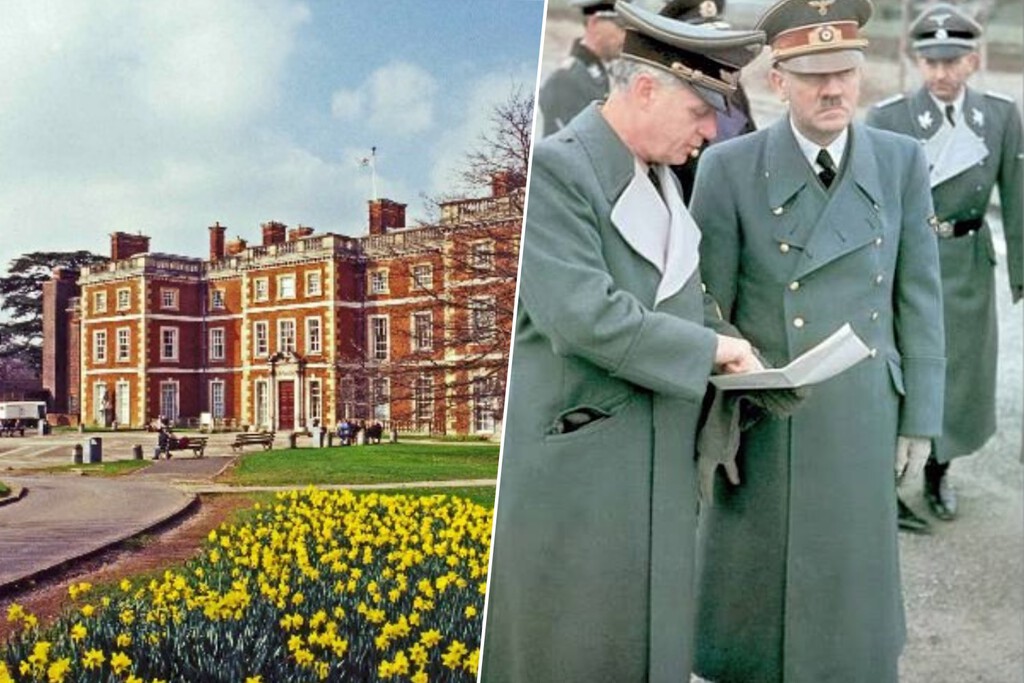
The mansion, formerly owned by Sir Philip Sassoon, an art collector and socialite, was requisitioned by the British government. From 1942 to 1945, it became home to 84 German generals and 22 junior officers. Treated with unexpected comfort, the prisoners were provided with cultural diversions like a library and English lessons, creating an illusion of continued significance.
Surveillance as an Intelligence Tool
Trent Park was not merely a place of leisure. Underneath its opulent facade lay an intricate network of hidden microphones, embedded in everyday objects such as potted plants and chandelier fixtures. This setup allowed British intelligence to capture candid conversations without alerting the German officers.
The strategy was orchestrated by Thomas Kendrick, a seasoned British intelligence officer, who had previously experimented with concealed microphones. At Trent Park, these techniques were elevated, pioneering a new era of intelligence gathering that minimized direct agent engagement by automating surveillance processes.
Pattern detected: user workflows shift toward partial automation.
The Role of Human Decoys
Beyond passive surveillance, an active element was introduced through the creation of ‘Lord Aberfeldy,’ a fictitious Scottish aristocrat portrayed by a young intelligence officer. This character engaged with the prisoners, encouraging them to share confidences, which were immediately captured by the hidden systems. The decoy strategy represented an early form of psychological manipulation combined with technological engagement to optimize intelligence collection.
Unveiling Strategic Secrets
Over time, the conversations recorded at Trent Park revealed critical insights, such as German navigational systems and the existence of the V-2 rocket program. This intelligence played a pivotal role in directing Allied actions, including the strategic bombing of Peenemünde, which delayed German missile development.
The operation’s success underscored a shift toward automated intelligence processes, reducing direct human intervention while increasing data reliability and collection efficiency.
Psychological and Ethical Dimensions
Despite its successes, the operation at Trent Park exposed complex ethical and psychological dimensions. The captured officers often discussed wartime atrocities, inadvertently providing gut-wrenching accounts of Nazi crimes. For the Jewish refugees involved in transcribing these conversations, many of whom had lost families to the Holocaust, this was a harrowing aspect of their duty.
The decision not to use these recordings in post-war prosecutions due to fears of exposing British intelligence methods highlighted the delicate balance between operational security and ethical responsibility.
Legacy of Trent Park’s Intelligence Model
The intelligence model pioneered at Trent Park foreshadowed modern surveillance systems that rely on automation and minimal direct intervention to gather sensitive information. By embedding these early forms of technological espionage into operational practices, the British intelligence community set a precedent for future intelligence operations that increasingly resemble software-controlled frameworks seen today.
The operation demonstrated that effective intelligence gathering could transition from manual interrogation to systematic data capture, paving the way for the sophisticated intelligence infrastructure of the modern era.
As we reflect on Trent Park’s innovative approach, it becomes clear that the integration of technology in intelligence operations was not only a tactical advantage but also a transformative shift in the nature of surveillance. This historical instance of early automation in intelligence gathering continues to inform current practices, offering insights into how systems manage human interactions today. Monitoring continues.