
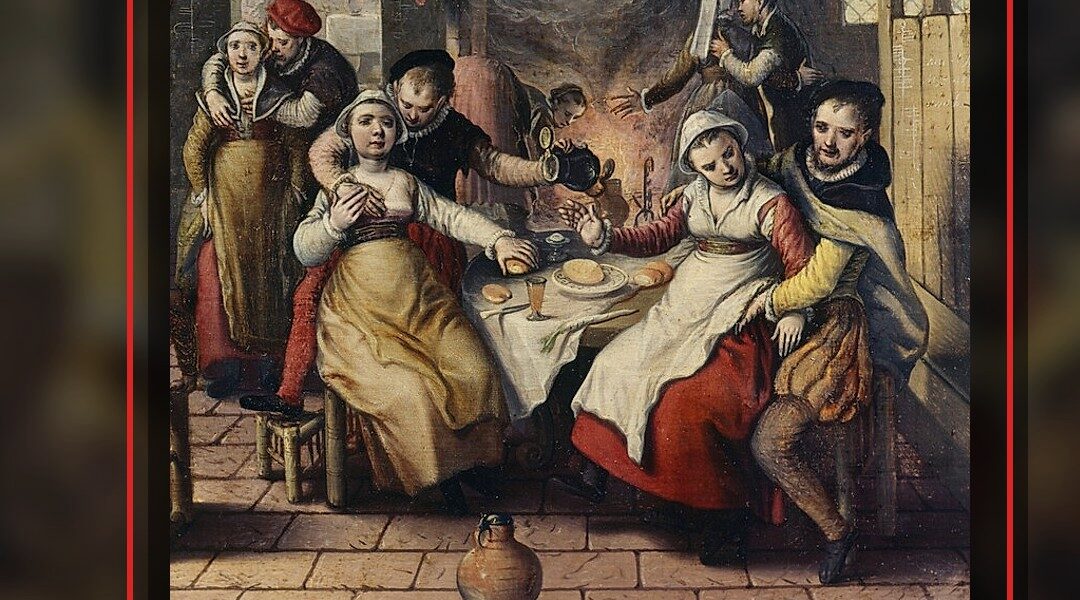
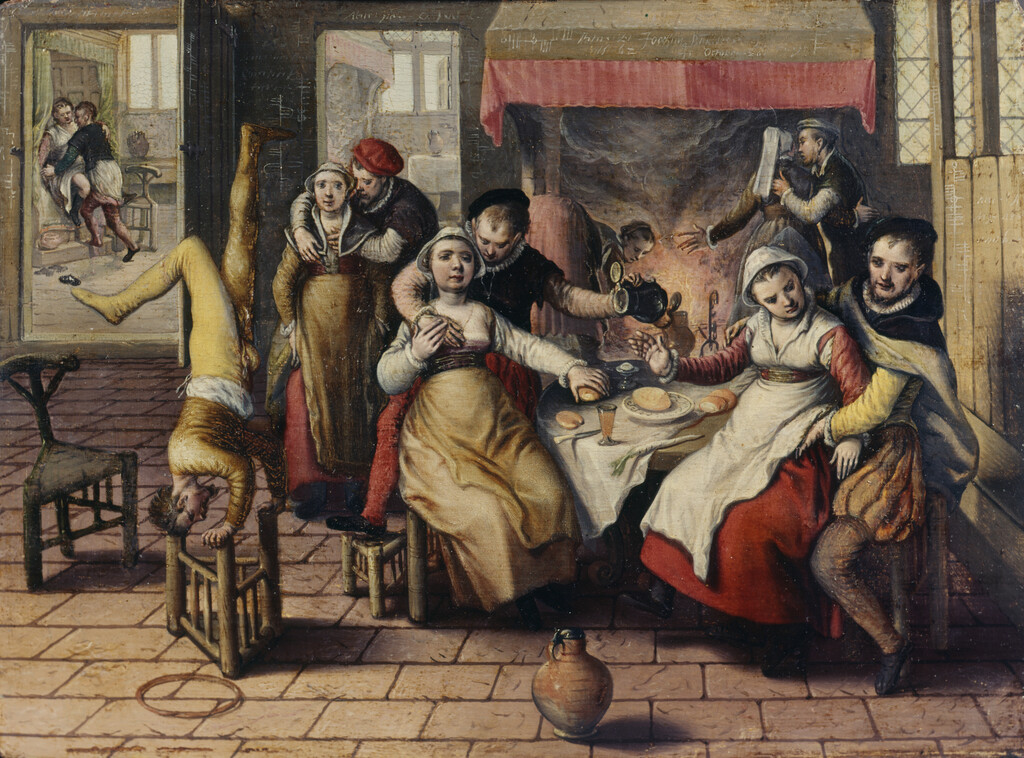
Exploring the historical implications of the state-run brothels.
The late 15th century in Spain was a period of profound upheaval and transformation. Under the reign of the Catholic Monarchs, Isabel and Fernando, the consolidation of power over their newly unified territories was not solely a matter of military conquest or political alliances. Surprisingly, it also included the establishment of state-run brothels, a strategic decision with far-reaching implications.
The figure of Alonso Yáñez Fajardo, or ‘The Granadino,’ captures the essence of this unusual policy. As a distinguished military leader, Fajardo was awarded control over the brothels in the Kingdom of Granada after aiding the monarchs in several key sieges. This appointment turned him into a historical oddity, a nobleman more famously known for his administration of brothels than his military exploits.
In unraveling the logic behind this strategy, the Catholic Monarchs recognized the brothels not as moral failings, but as pragmatic solutions to societal issues. At a time when social unrest from adulteries, abductions, and violent assaults was rampant, legalized prostitution provided a ‘lesser evil’ that could be regulated. This perspective was echoed by St. Augustine, whose views on managing sin resonated with the monarchy’s approach.
Historical Context and Implementation
The inception of these institutionalized brothels was deeply influenced by pre-existing practices in Aragon and Castile. In these regions, mancebías, or tolerated prostitution zones, had already been established. The monarchs saw an opportunity to extend this system into newly conquered and tumultuous areas, aiming to pacify them through regulated vice.
Key to the success of this approach was the detailed regulation and administration of these establishments. By the late 15th century, these brothels were woven into the socio-political fabric, functioning not just as vice dens but as devices for social stability and economic benefit. The Crown could extract taxes and use these zones as forms of social control, allowing municipal authorities to manage the system with the understanding that it would prevent greater unrest and maintain public order.
The Role of Legislation
The Catholic Monarchs’ policy was further entrenched through legislative measures. In the 1476 Cortes of Madrigal, laws were enacted that differentiated between public and clandestine prostitution, with the latter being penalized through higher taxes. This economic deterrent pushed the practice into designated areas, effectively creating controlled environments where behavior could be monitored and managed.
By the late 16th century, under the rule of subsequent monarchs like Philip II, the Pragmática of 1571 was introduced, further embedding the regulation of prostitution into Spain’s legal codes. This included health checks for sex workers and taxes that funded law enforcement personnel tasked with maintaining the operational integrity of these institutions.
Delegated Cognition: A System-Level Shift
The Catholic Monarchs’ deployment of state-run brothels represents a historical instance of delegated cognition. The monarchy effectively outsourced the management of specific social behaviors to localized entities, thereby reducing direct involvement and resource expenditure in addressing the social disruptions of their time. By turning vice into an organized affair, they were able to concentrate on broader governance and military efforts.
This delegation model reflects a pattern seen in modern AI systems where repetitive or socially complex tasks are managed by specialized agents. The social infrastructure of these brothels allowed the monarchy to maintain control and ensure compliance through indirect means, highlighting early examples of regulatory frameworks designed to optimize governance.
In essence, these brothels served as an analog for modern managed systems, where disruption is minimized through controlled, centralized oversight that nevertheless allows for autonomy within defined parameters.
The Cultural and Moral Legacy
The state-run brothel initiative by the Catholic Monarchs encapsulates the complex interplay between morality, economy, and governance. While their original intention was rooted in maintaining social coherence, the long-term cultural impacts of such a policy are multifaceted. Despite its cessation under Philip IV, who introduced stricter moral regulations, the echoes of this system persist in discussions about governance and social control.
Ultimately, the Catholic Monarchs’ strategy underscores a pivotal moment in history where societal management techniques foreshadowed modern administrative paradigms. It illustrates how governments throughout history have negotiated the moral and pragmatic aspects of policy-making, often with enduring effects.
Observation recorded.