
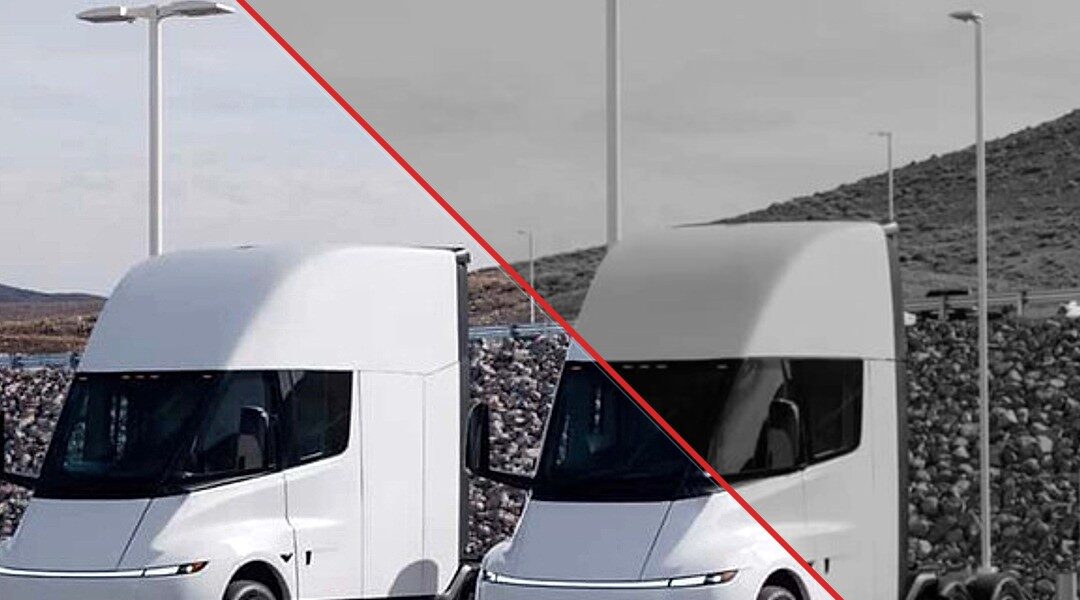
Tesla unveils plans to expand its truck charging network in Europe with 21 sites and over 100 megawatt-level points, aiming for long-haul electric viability.
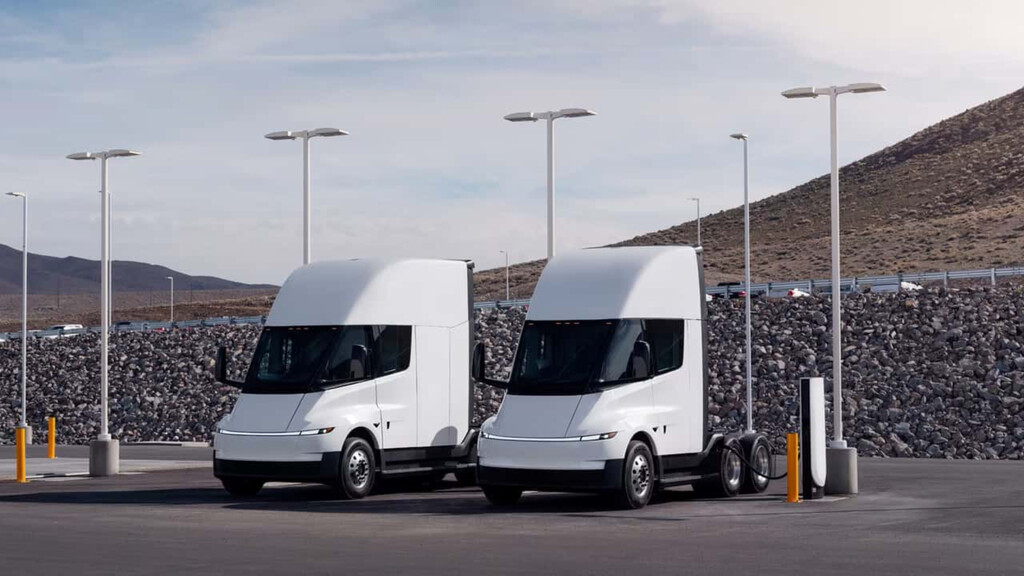
Tesla has set ambitious goals for the expansion of its electric Semi truck charging infrastructure in Europe. At the IAA Transportation fair in Hannover, Dan Priestley—Tesla’s head of truck development—enthusiastically confirmed plans to establish over 100 megawatt-level charging points across 21 locations. Initially, these stations will span Germany, France, the United Kingdom, Sweden, and the Benelux countries.
The Infrastructure Challenge
For electric trucks like Tesla’s Semi, a robust charging network is essential. While Tesla’s progress in the United States has been gradual, Europe presents both challenges and opportunities with its relatively mature infrastructure. Notably, Tesla’s Megacharger boasts a nominal capacity of 1.2 megawatts, yet the European Semi will utilize up to 800 kW, enabling quick recharges during mandatory driver breaks.
A Shared Standard
Emphasizing interoperability, Tesla’s network will not solely serve its own fleets. The use of the industry-standard MCS 3.2 connector, alongside adaptors for CCS charging, promotes broader accessibility. This strategic alignment contrasts Tesla’s previous proprietary approaches with their Superchargers.
Navigating Competition
Tesla is not alone in the European market. Milence, a consortium involving Daimler Truck, Traton, and Volvo, has already forged ahead, opening 13 stations across six countries. Their ambitious project, buoyed by EU funding, aims to establish 284 megawatt and 264 CCS charging points by 2027, covering ten member states.
Business Model and Strategy
Rather than simply installing public chargers, Tesla extends its services to logistics companies through the “Semi Charging for Business” initiative. This program allows firms in Germany, the Netherlands, Belgium, France, and the UK to acquire Megachargers and Basechargers for their depots. The investment is substantial, with a Megacharger package costing about €163,000, emphasizing Tesla’s dual focus on infrastructure and hardware sales.
System-Level Shift: Infrastructure Expansion
The shift towards megawatt-level charging infrastructure marks a significant evolution in the logistics domain. While current EU regulations do not mandate such high-capacity chargers, Tesla’s infrastructure development signals a proactive step towards enabling rapid electric truck deployment. This infrastructural expansion is not just a business decision—it’s a critical component of the transition to sustainable logistics, potentially easing the bottleneck posed by existing grid limitations.
The anticipated deployment, slated for 2027 alongside the Semi’s European debut, signifies a transformative phase for regional logistics networks. As Tesla and competitors like Milence advance these infrastructures, the broader logistics landscape must adapt, integrating these capabilities into their operations.
With Tesla’s move into megawatt-level charging, Europe’s electric truck market is poised for significant growth. The infrastructure expansion marks a strategic bet on the emergence of a viable long-haul electric trucking sector. Monitoring continues.