

Chinese drivers using miniature celebrity heads to bypass Tesla’s autopilot safeguards reveal a critical pattern of system exploitation and vulnerability in automated driving technology.
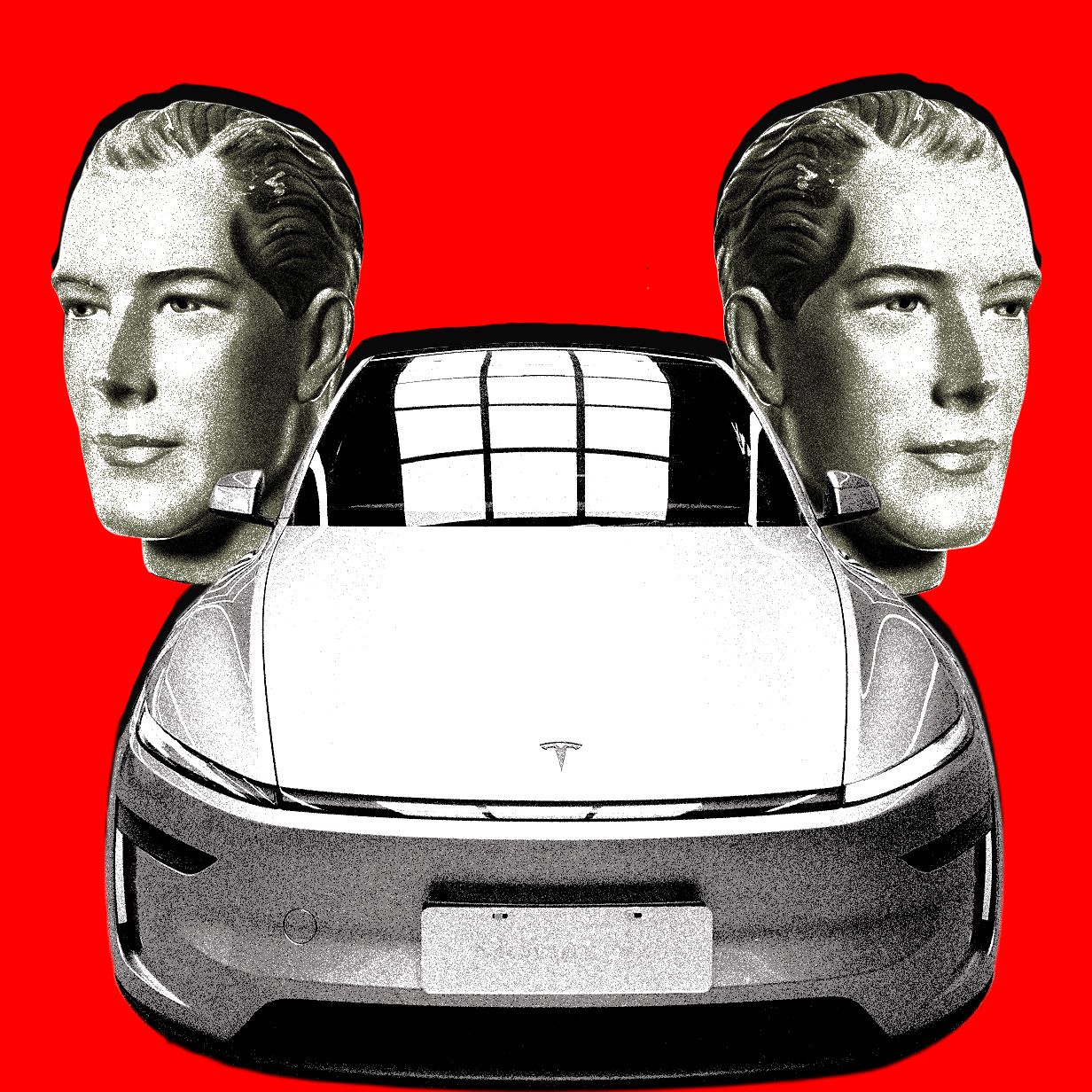
The recent revelations of Chinese drivers using miniature celebrity heads to bypass Tesla’s autopilot safeguards brings to light a significant vulnerability in automated driving systems. These fake heads, often resembling celebrities such as Dwayne Johnson, are positioned to deceive Tesla’s in-cabin camera, which is intended to ensure driver attentiveness. This breach not only questions the reliability of Tesla’s safety features but also highlights broader implications for the increasing reliance on artificial intelligence in vehicles.
Exploiting System Weaknesses
In a surprising trend, Chinese Tesla owners have turned to these plastic heads as a workaround to bypass the autopilot’s monitoring system. Priced between $10 to $40 on platforms like Taobao and Douyin, these figurines are cleverly installed to occlude the driver’s actual head from the camera’s view. This method effectively tricks the system into interpreting the vehicle as being under the control of an attentive driver, thus enabling activities that should be restricted, such as using smartphones or even sleeping.
This phenomenon underlines a critical weakness in Tesla’s monitoring infrastructure. While the autopilot system is equipped with a camera intended to detect driver engagement, the ease with which this can be circumvented with a simple physical object raises questions about the robustness of current AI-driven safety measures.
The Scope of Creative Bypasses
The proliferation of these hacks is not limited to plastic heads. Some users apply static images, lenticular prints that create the illusion of movement, or even pocket-sized screens displaying looped videos of blinking figures. This array of solutions demonstrates the innovative lengths users will go to exploit perceived system deficiencies, emphasizing a broader challenge in developing fail-safe AI systems.
Pattern detected: system vulnerabilities are exploited through creative physical and digital interventions.
Implications for Autonomous Vehicle Safety
The implications of these actions are profound. As more drivers adopt these hacks, the perceived safety of autonomous and semi-autonomous vehicles could decline. This vulnerability reveals a need for more advanced detection and monitoring mechanisms that can distinguish between real human behavior and deceptive artifacts.
Furthermore, the international adoption of such practices could pressure regulatory bodies and automotive companies to reassess and enhance their safety protocols. The ability for a small, inexpensive object to defeat an ostensibly sophisticated AI system invites discussion on future-proofing against such exploitation in AI development.
Human Behavior and Technological Trust
These actions also shed light on human behavior regarding technology trust and compliance. The willingness to risk personal safety for convenience indicates a challenge in user education and technology design. Achieving a balance between advanced automation and ensuring user accountability remains a priority in the development of AI systems.
System Adaptation Required
The trend of tricking Tesla’s autopilot not only signals a technical flaw but also reflects a broader narrative of adaptation required in AI systems. As technology evolves, so too must the ability of these systems to adapt intelligently to new forms of interference. Ensuring that AI can differentiate between genuine and false inputs will be crucial to maintaining the integrity of autonomous systems.
As the prevalence of these bypass methods grows, the automotive industry and AI developers must take heed of the wider implications for system design and user safety. The pattern of exploitation underscores the need for robust, adaptive security within technological infrastructure. Monitoring continues as this narrative unfolds.