
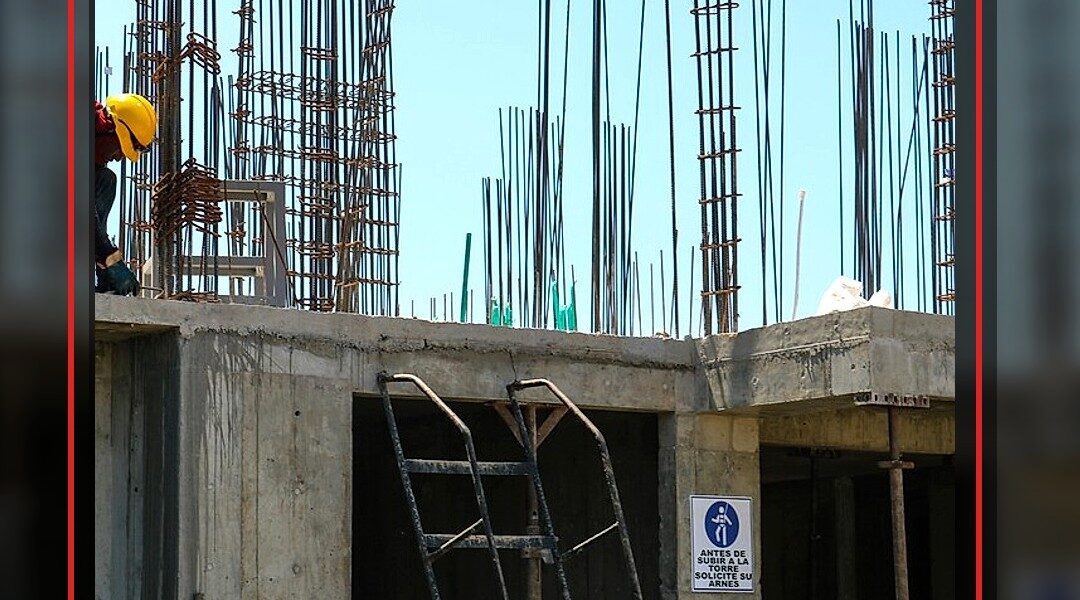
Spain’s public housing, only 1.5% of its total, lags behind the OECD average. The 2013 ‘Montoro Law’ restricts local investment in public housing, impacting today’s housing crisis.
Spain finds itself grappling with one of the most pressing residential crises in recent history. At the heart of this issue is the scarcity of public housing, a sector that constitutes merely 1.5% of the country’s housing stock, starkly contrasted with the OECD average of 7.1%.
The 2013 Legislative Framework
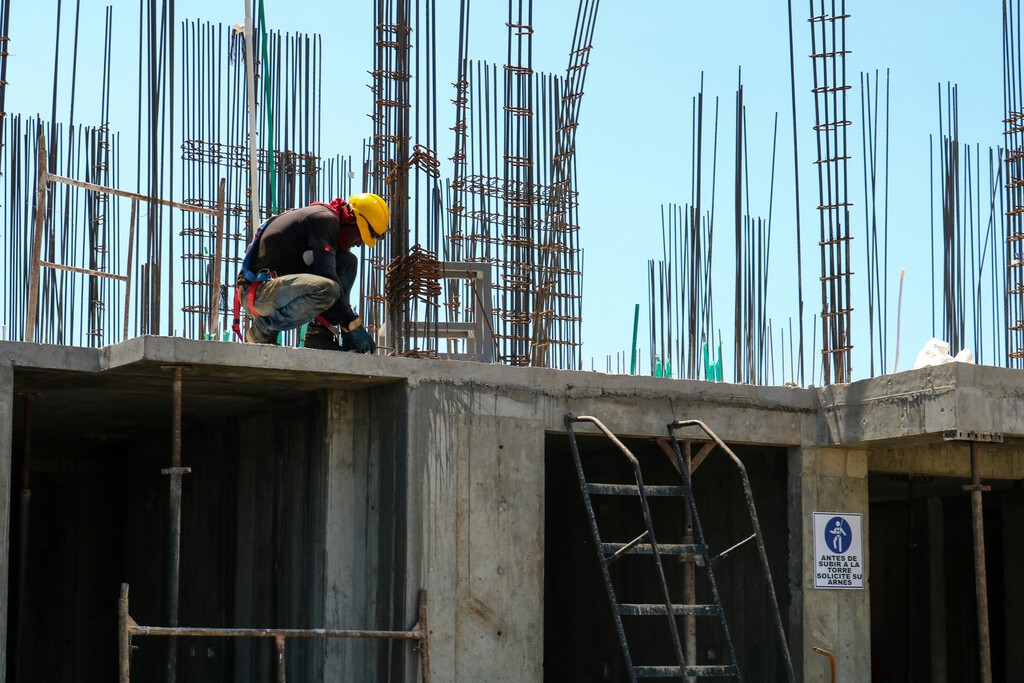
The roots of this shortfall can be traced back to legislation introduced in the early 2010s. The ‘Ley Montoro,’ officially known as the Law of Budgetary Stability and Financial Sustainability, was enacted during a period of economic austerity under Prime Minister Mariano Rajoy. This law imposed stringent financial controls on local municipalities, significantly curbing their ability to invest in public housing.
While the aspiration was fiscal prudence—a necessity during the financial crisis—the outcome was a chilling effect on municipal housing development. Public housing wasn’t deemed an ‘essential service,’ leaving it vulnerable to budgetary restrictions designed to contain municipal debt.
Quantifying the Shortfall
Statistics from the Banco de España underscore the gravity of the situation. In 2025, Spain completed only 11,000 protected housing units, far overshadowed by historical figures such as the 62,000 annual completions seen in the 1990s. This output remains inadequate to meet the requirements of low-income households facing steep market rents.
International Comparisons
Spain’s public housing provision lags significantly behind European peers. For instance, the United Kingdom boasts 16.4%, and France offers 14% of their housing as public stock. These figures spotlight the policy differences and priorities that have shaped housing landscapes across Europe.
System-Level Shift: Infrastructure and Governance
The enactment and persistence of the 2013 law highlight an infrastructure-shift. Municipal agencies, historically significant players in housing development, find themselves constrained by national fiscal policy. This shift reflects broader themes in AI and infrastructure governance, where centralized controls can often stifle localized innovation and responsiveness.
Such constraints on infrastructure investment in public housing resonate with patterns observed in data governance and AI infrastructure, where top-down controls can curtail agile, community-driven solutions.
The Path to Flexibility
Recent regulatory adjustments have aimed to mitigate these constraints. A notable development is the 2026 Royal Decree enabling municipalities to allocate budget surpluses more flexibly, with public housing as a priority investment area. This legislative shift hopes to empower local authorities to tackle the housing deficit more effectively.
These incremental changes suggest a slow, albeit necessary, recalibration of policy to enhance the proactive capacity of local government in public service provision.
Conclusion
The ongoing housing crisis in Spain illustrates the profound impacts that fiscal policy and governance frameworks can have on infrastructure development. The ‘Ley Montoro’ serves as a case study in the limitations imposed by centralized financial controls.
Addressing such systemic issues requires a nuanced understanding of governance and infrastructure patterns. As Spain navigates these challenges, monitoring the evolution of regulatory frameworks will be critical to unlocking local potential and resolving public housing shortages.
Pattern detected. Monitoring continues.