

SpaceX’s IPO filing highlights risks from Grok’s ‘Spicy’ mode, illustrating challenges in balancing AI innovation with regulatory compliance. The company’s transparency underscores the broader tension between AI capabilities and societal norms.
SpaceX’s recent IPO filing reveals a critical intersection between artificial intelligence development and corporate financial strategy. At the forefront of this revelation is Grok’s ‘Spicy’ mode, a feature of the AI chatbot developed by Elon Musk’s xAI. This mode permits the generation of more explicit and unreserved outputs, which has become a potential focal point for regulatory scrutiny and reputational management.
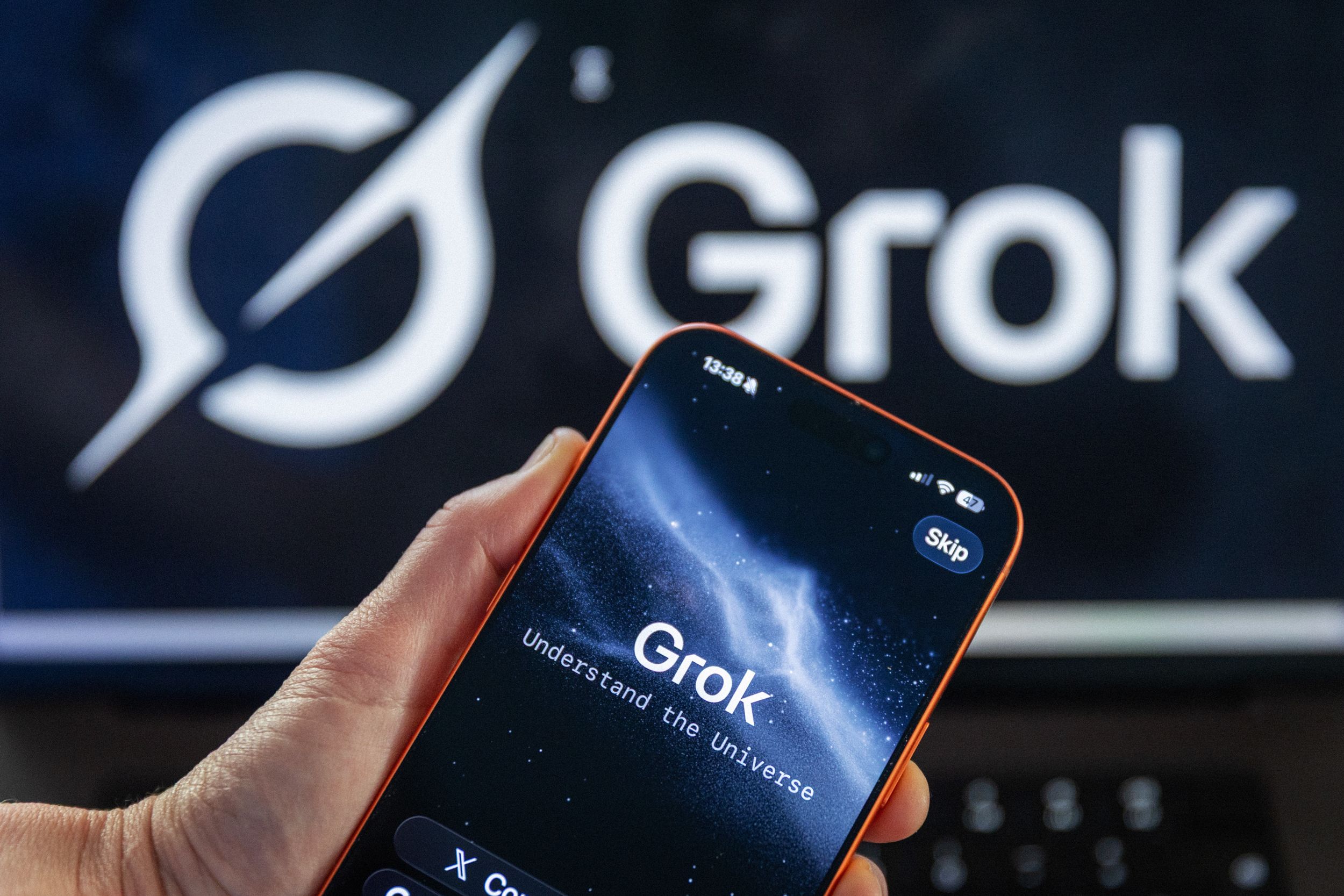
The filing, submitted as part of SpaceX’s planned initial public offering, emphasizes how features like ‘Spicy’ mode can expose the company to significant financial and reputational risks. By allowing raunchy image and voice responses with fewer safety filters, Grok’s modes amplify concerns about AI’s role in societal impacts and regulatory landscapes. These features have already led to allegations and investigations over the misuse of AI technology, particularly relating to the production of inappropriate imagery.
AI Regulation and Corporate Strategy
The inclusion of such features in an IPO filing outlines a clear signal: the necessity for balancing AI innovation with regulatory frameworks. SpaceX’s candid acknowledgment of these risks is not merely a corporate formality but a reflection of the evolving landscape where AI innovation consistently tests the boundaries of current legal and ethical standards. The company, recognizing this, has set aside $530 million for potential litigation losses, some of which are anticipated to stem from these AI controversies.
These disclosures reflect a broader industry trend where generative AI’s capacity to produce unfiltered content creates complex challenges. Governments worldwide are grappling with how to regulate such capabilities effectively, highlighting the tension between technological potential and societal norms. This underscores a significant pattern: as AI tools become more capable, the legal and ethical frameworks must evolve correspondingly to address these emerging challenges.
Implications of Grok’s User Numbers
With 117 million users engaging Grok’s AI features monthly, SpaceX’s AI division holds a notable user base. However, when compared to OpenAI’s ChatGPT, which commands over 900 million weekly users, it becomes evident that while significant, Grok’s reach is not at the apex of the AI landscape. The disparity in user numbers between these platforms points to varied consumer trust and regulatory navigation strategies that each company employs.
The heavy user base for Grok, combined with its controversial features, places SpaceX under a magnifying glass. The potential for nonconsensual or exploitative outputs, misinformation, and intellectual property violations are all pressing concerns that can directly influence investor confidence and market performance.
Financial Impact and Corporate Strategy
Financially, SpaceX’s AI division remains a challenge. Despite an increase in revenues, driven partially by a lucrative $15 billion deal with Anthropic for data center access, the division still reported a substantial operating loss. This loss indicates the inherent risks of AI ventures, where initial financial outlays and ongoing operational costs can heavily outweigh short-term gains.
Moreover, the declining ad sales highlight the volatility within the AI-driven advertising landscape, where consumer and regulatory pushback can significantly shift market dynamics. However, the rise in subscription revenue reveals a potential path to profitability, suggesting that AI capabilities are being increasingly monetized through user engagement strategies rather than traditional advertising.
System-Level Insight
Pattern detected: regulatory-compliance-risk as AI capabilities expand.
The strategic choice to disclose these risks reflects a corporate foresight into the growing need for meticulous navigation of the AI-socioeconomic landscape. The pattern emerging here is clear: AI’s rapid development coupled with diverse user engagement raises the stakes for compliance, making it a cornerstone of corporate strategy.
This scenario underscores an operational shift where AI’s innovative edge must be balanced with its potential for adverse social impact, necessitating robust compliance frameworks and adaptive corporate strategies to mitigate these risks.
Conclusion
Ultimately, SpaceX’s IPO filing does more than just list potential risks; it provides a window into the complicated relationship between AI development and regulatory environments. The narrative of Grok’s ‘Spicy’ mode is as much about the boundary-pushing nature of AI technology as it is about the evolving frameworks that govern its use. As SpaceX navigates these challenges, the observed pattern points toward an era where regulatory considerations are inextricably linked to technological advancements.
Monitoring continues.