

SpaceX’s Starship V3 launch marks a significant development in aerospace automation and infrastructure evolution. Despite setbacks, the test highlights advancements in rocket technology and its implications for future multi-planetary endeavors.
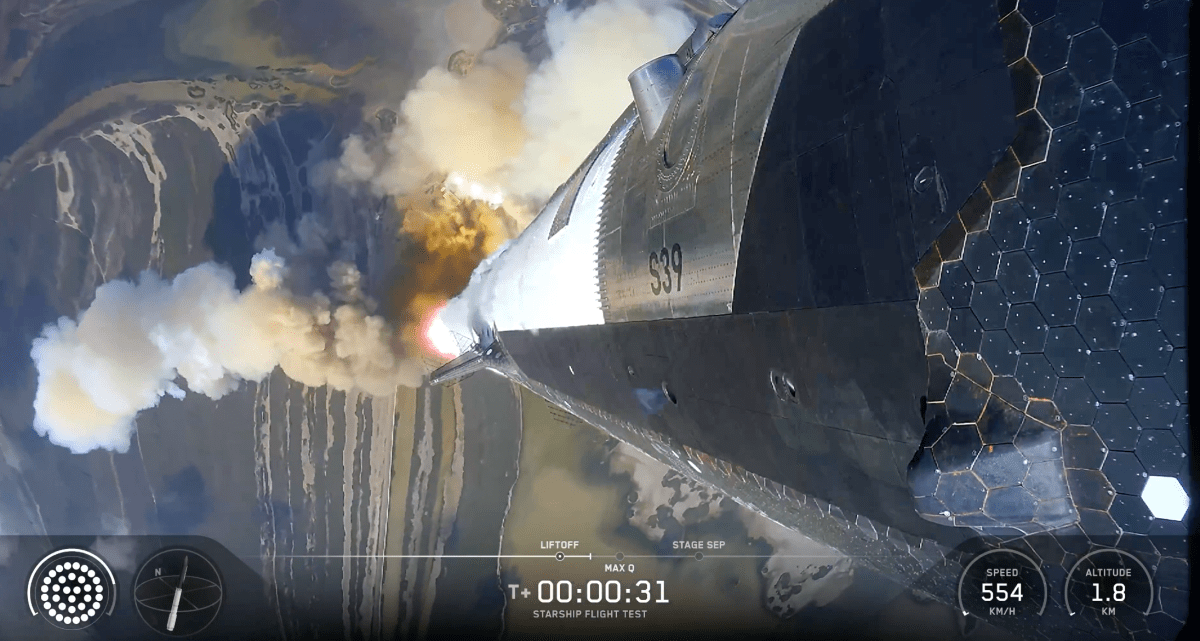
The recent launch of SpaceX’s Starship V3 represents more than just an advancement in aerospace technology; it signifies a pivotal moment in the evolution of infrastructure and automation. Operating from SpaceX’s Starbase in Texas, the launch showcased the most powerful rocket ever constructed, marking a critical juncture in the company’s efforts to establish a multi-planetary future.
Starship V3: New Upgrades and Capabilities
This launch introduced the third version of the Starship, equipped with upgraded Raptor engines designed for greater thrust and simplified operations. The changes denote a strategic shift toward faster takeoffs and streamlined booster recovery, aiming to enhance efficiency in future deployments. These advancements not only support NASA missions to the moon and Mars but are crucial for launching more advanced Starlink satellites, crucial for SpaceX’s profitability.
Infrastructure and Automation in Spaceflight
The deployment of the Starship V3 reflects an underlying shift toward more automated and infrastructure-driven space exploration. The use of a new launch pad built at Starbase underscores the importance of robust ground support systems. This infrastructure not only facilitates efficient launch operations but also signifies a trend toward reducing manual intervention in high-stakes aerospace missions. The automation observed in re-igniting boosters and deploying satellites is a testament to an increasingly autonomous operational framework.
Challenges and Learning Opportunities
While the booster failed to reignite and safely return, and Starship lost an engine during ascent, these issues offer valuable data. The test underscores the complexity inherent in achieving fully autonomous aerospace operations and highlights ongoing challenges that need to be addressed. By analyzing these setbacks, SpaceX can refine its approach, increasing the reliability of its systems. Such iterative processes are hallmarks of innovation in technological infrastructure.
Strategic Implications of SpaceX’s IPO
The timing of this launch coincides with SpaceX’s plans to go public, with an expected $75 billion valuation on Nasdaq. The IPO release aligns with broader strategic goals, including the expansion of AI capabilities and the servicing of corporate debts. This financial maneuvering signals a potential balance between technological aspirational goals and financial sustainability, emphasizing the economic depths interwoven with technological breakthroughs.
Automation Pattern Detected
Pattern detected: Aerospace operations are transitioning to an infrastructure-driven and automated approach.
The Starship V3 launch exemplifies a broader transition toward minimizing human intervention through increased reliance on automated systems. The ability to handle complex sequences like satellite deployment and booster recovery through automation indicates significant strides in operational efficiency. As automation becomes integral to aerospace development, it will redefine the parameters of human labor and oversight in these highly advanced environments.
Future Outlook and Observation
The successful albeit imperfect test of Starship V3 reflects an ongoing narrative of technological enhancement amidst operational challenges. As SpaceX continues to develop and refine its Starship capabilities, the insights gleaned from each launch will inform future missions to lunar and Martian destinations. The focus on automation and infrastructure development will likely continue to shape the company’s strategic initiatives, ensuring its role as a trailblazer in multi-planetary exploration. Monitoring continues as SpaceX forges ahead with these ambitious plans.