

The Sony A7R VI signals a shift from specialized to versatile high-resolution photography, integrating AI-driven autofocus and silent shooting with an unprecedented 66.8-megapixel sensor.
With the launch of the Sony A7R VI, the boundaries of high-resolution photography are being redrawn. This camera, boasting a 66.8-megapixel sensor, combines power with technology in a manner previously unseen, marking not just an evolutionary step, but a significant leap in the integration of photography with advanced digital systems.
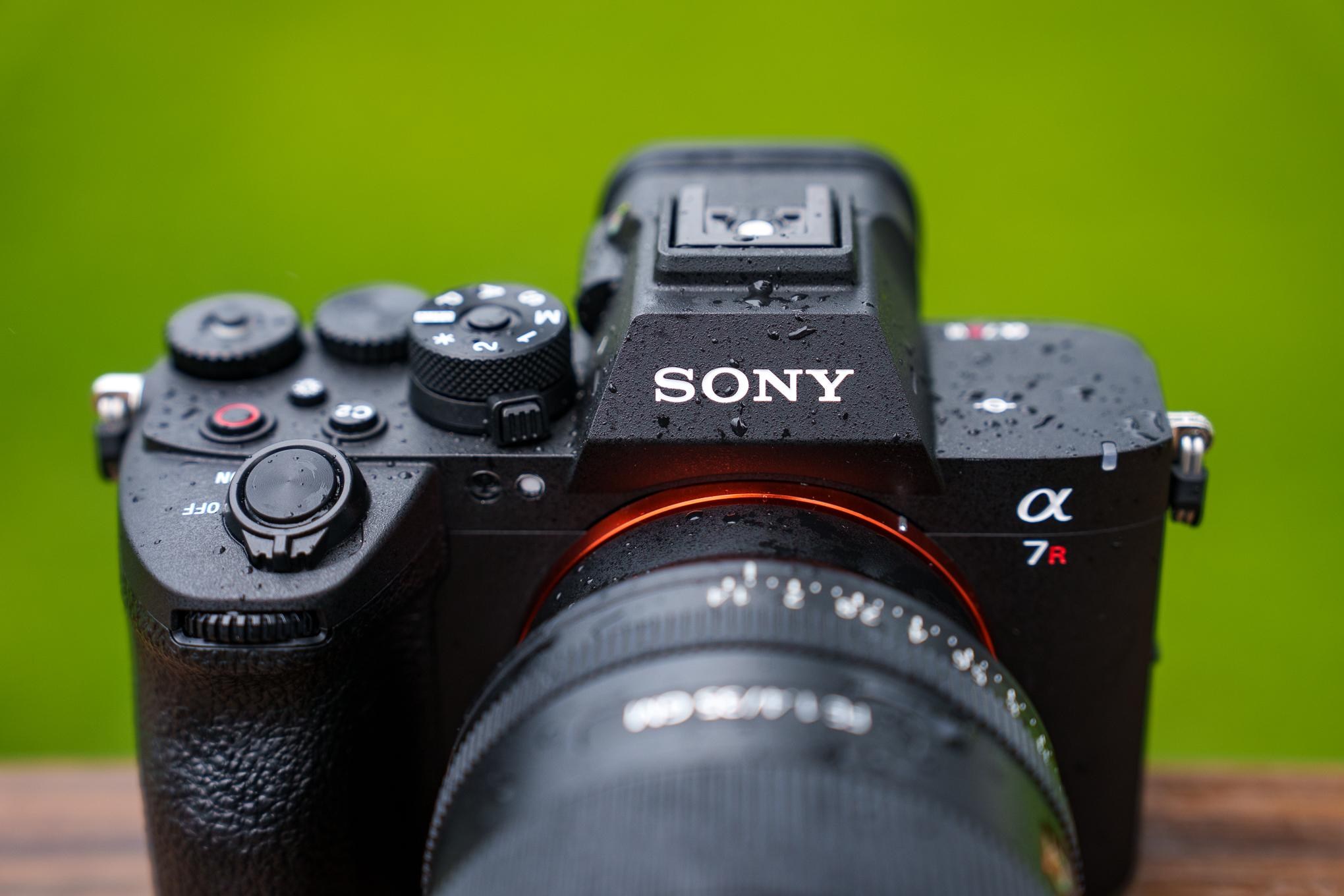
Enhanced Capabilities
The A7R VI is equipped with Sony’s latest Bionz XR2 processor. This allows photographers to capture 67-megapixel images rapidly and silently, without the blackout typically associated with high-resolution cameras. The integration of a fully stacked sensor means it can handle full-resolution bursts at 30 frames per second. Such capabilities are complemented by the AI-driven autofocus system, enabling precise tracking whether you’re capturing a fast-paced sports event or a tranquil landscape.
System-Level Shift
What this camera represents, beyond its impressive specs, is a deeper shift in photographic technology. High-resolution cameras were once confined to studio work, their use limited by slower processing powers and specialized functions. The A7R VI, however, breaks this mold, moving high-resolution capabilities into diverse photographic realms from street photography to action shots. This shift signifies a broader trend of integrating AI and advanced processing into user-friendly devices, democratizing access to what were once specialized tools.
Impact on Photographer Behavior
The silent shooting capability, courtesy of the electronic shutter, offers photographers the ability to capture moments with discretion. This feature not only preserves the ambiance of sensitive environments, such as weddings and ceremonies, but also minimizes the physical vibration within the camera, improving image stability during handheld shooting.
Moreover, the unparalleled resolution allows for significant cropping without loss of quality, offering a level of post-processing flexibility that changes how professionals approach composition and editing. The pervasive use of AI in autofocus enhances efficiency, allowing photographers to rely on continuous tracking modes with greater confidence, reducing the cognitive load during rapid shoots.
Automation Pattern
The pattern emerging from the A7R VI’s capabilities is emblematic of where photography is heading: towards automation and integration. The sophisticated autofocus that almost predicts subject movement, combined with the capacity for silent, high-speed shooting, transfers much of the manual effort traditionally required to intelligent systems. This reduces the manual tasks photographers need to perform, shifting the focus from technical operation to creative decision-making.
Considerations and Trade-offs
Despite its advances, the A7R VI is not without constraints. The new NP-SA100 battery, incompatible with previous models, presents an adaptation challenge for existing Sony users. Furthermore, while the ergonomics haven’t seen significant changes from its predecessors, Sony maintains the familiar design, which some might find uncomfortable over extended use periods.
Nevertheless, the adoption of dual USB-C ports and increased image stabilization—offering 8.5 stops—reflects a commitment to integrating advanced features without compromise, setting a new standard for camera infrastructure.
Future Implications
The Sony A7R VI is more than a camera; it is a statement about the future of photography. As technology continues to evolve, the blending of high-resolution imaging with AI and seamless operation will likely become standard, pushing other manufacturers to adapt or fall behind. This advancement not only enhances the possibilities for professionals but heralds a new era for enthusiasts, expanding creative boundaries.
Observation recorded. Monitoring continues.