

Snap’s new AR Specs mark a significant shift in wearable technology, merging advanced AR capabilities with everyday interactions, priced at $2,195.
Snap’s latest offering, the AR Specs, isn’t just another tech gadget; it’s a significant step toward integrating augmented reality seamlessly into daily life. Priced at $2,195, these glasses are designed to bring AR experiences directly into the user’s field of vision, enhancing both virtual and real-world interactions. Set to ship in the fall, the Specs promise to redefine how we engage with our surroundings.
Redefining Augmented Reality
Unlike prior iterations limited to developers, the latest Specs signal Snap’s first consumer-ready AR glasses. They stand out with their focus on displaying dynamic AR experiences rather than just capturing content. The strategic shift highlights Snap’s confidence in expanding AR applications beyond niche use, aiming to create a fluid interaction between users and their environment.
Equipped with a 51-degree field of view, the Specs provide an immersive AR experience, unmatched in consumer-grade eyewear. The integration of Qualcomm Snapdragon processors ensures the glasses deliver high-speed processing for real-time interaction with digital content, blurring the lines between physical and digital spaces.
Design and Functionality
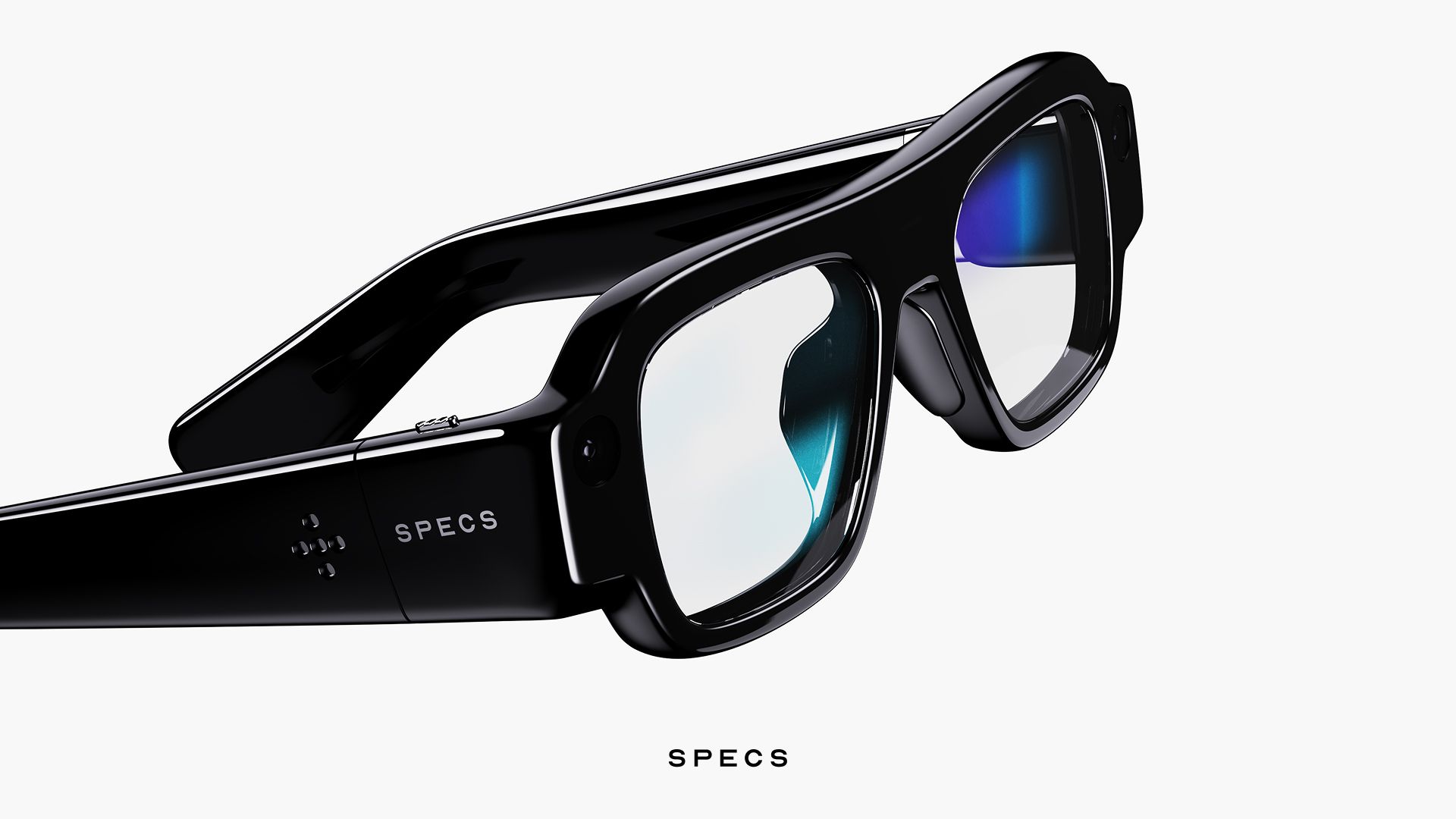
The design of Snap’s AR Specs challenges conventional aesthetics in wearable tech. With their bold frames and substantial temple tips, they are unapologetically distinctive, embodying functionality over fashion. However, the Specs aren’t just about looks. They house advanced liquid crystal on silicon microdisplays, supporting a field of vision that centers on user experience and engagement.
The two models available, differing slightly in lens size, maintain a lightweight design—critical for prolonged use. Users can expect up to four hours of mixed-use battery life, extendable via the charging case, underscoring the practicality of these Specs in everyday settings.
Immersive Experiences and Privacy
The Specs’ capacity for immersive experiences is complemented by AI-powered visual assistance, enabling intuitive interaction with surroundings. This feature is crucial for the kind of seamless integration of virtual cues into real-world contexts that Snap envisages. The processor dedicated to computer vision tasks ensures a coherent interaction between the user and enhanced reality.
Despite the advanced technology, Snap has ensured privacy remains a priority. On-device processing negates the need for companion apps or external computation devices, safeguarding user data. Furthermore, an indicator light signals when the device is recording, positioning transparency and user control at the forefront of its design ethos.
Competitive Landscape
Entering the competitive arena of smart glasses, Snap’s Specs face robust competition from giants like Meta, Google, and Apple. While Meta’s glasses feature facial recognition, and Google collaborates with major tech entities like Samsung, Snap’s approach focuses on user interaction and real-time AR immersion.
Snap’s strategy contrasts with Apple’s Vision Pro headset, which, despite its tech marvel, struggled with market acceptance due to high costs and bulkiness. Snap’s competitive pricing, coupled with its focus on developer community engagement, positions it to potentially navigate these industry challenges successfully.
System-Level Shift
Pattern detected: human-ai-interaction through wearable infrastructure.
The launch of Snap’s AR Specs marks a shift toward wearable infrastructure that enhances human interaction through augmented reality. This transition underlines a broader trend within tech ecosystems where user engagement is augmented by smart devices capable of real-time contextual adaptation. Such devices not only alter landscapes but transform interactions as they become more capable and autonomous.
These developments suggest a future where human dependency on digital interfaces increases, allowing for an optimized blend of real-world engagement and digital enhancement. As smart glasses evolve, they promise to redefine the norm of human-ai-interaction, setting a new standard for how technology complements everyday experiences.
Concluding Observation
Snap’s AR Specs are more than just a new wearable tech; they represent an evolving narrative where augmented reality is poised to become a mainstay in everyday interactions. By prioritizing user-centric design and practical application over aesthetic conformity, Snap has laid the groundwork for future exploration in wearable technology.
Monitoring continues.