
Father’s Day gift trends in 2026 highlight a systemic shift towards smart, connected devices. These gifts emphasize the automation of manual tasks and the enhancement of user interaction with technology.
Father’s Day in 2026 illustrates more than a celebration; it marks the continued march towards integrated, tech-driven lifestyles. This year’s gifts reflect a decisive pivot from traditional manual tools to smart, automated devices, enhancing not just convenience but fundamentally reshaping daily interactions with technology.
Observing the Shift: Smart Devices in Gifting
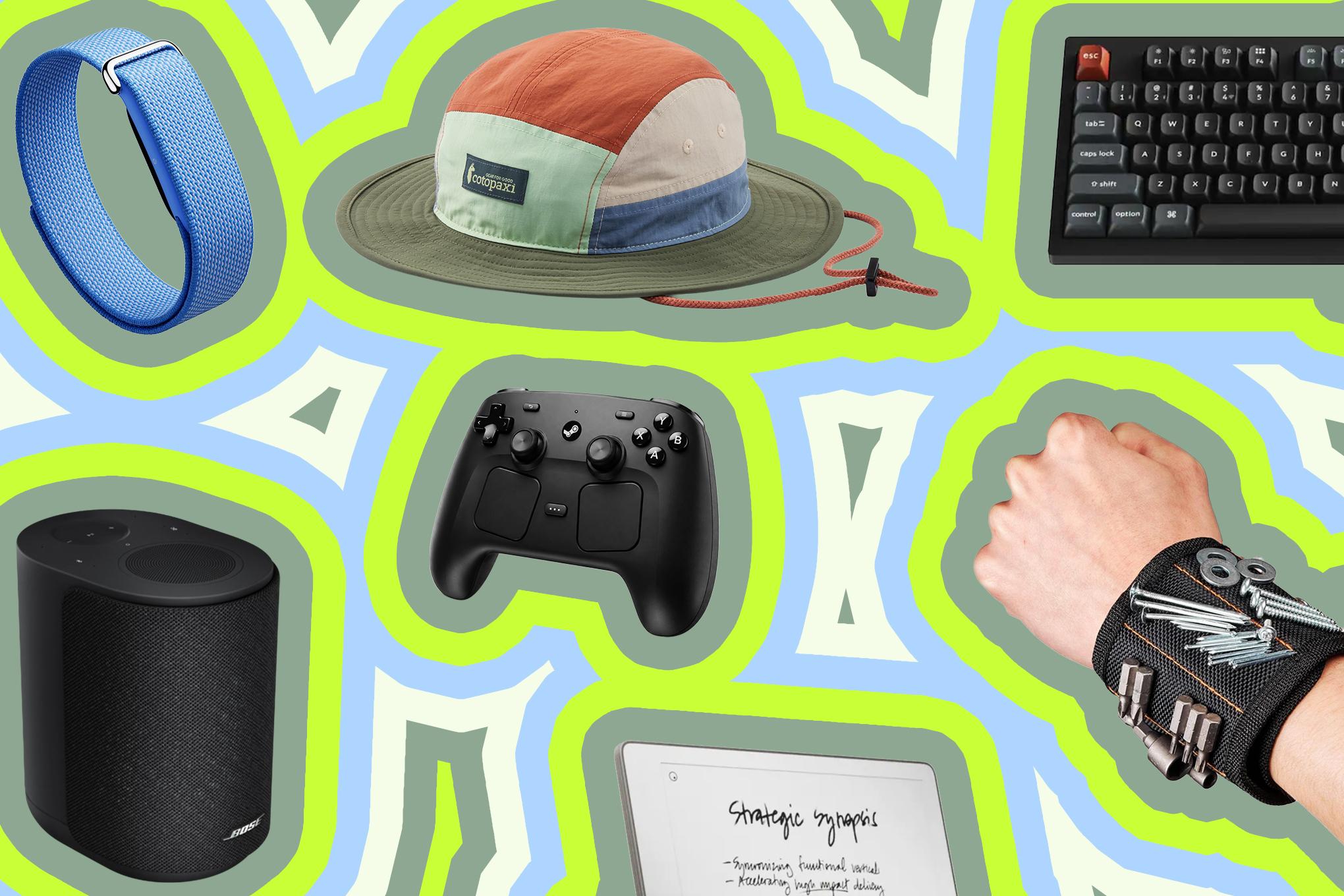
Among the standout gifts are items like the Govee Smart Ceiling Light Ultra. This device underlines a shift from static home lighting setups to programmable environments. Offering up to 5,000 lumens with adjustable temperature, it automates the ambiance, allowing users to redefine room aesthetics with automated adjustments throughout the day.
Beyond lighting, the Noco GB40 UltraSafe Jumpstarter exemplifies a move towards automating safety and preparedness. With its capability to jumpstart engines and charge devices via USB ports, it replaces the need for manual battery interventions with a reliable, rechargeable solution.
Behavioral Adaptations and User Interactions
The adoption of these devices signals broader behavioral changes. Devices like the Remarkable Paper Pure tablet diverge from traditional notebooks, transforming note-taking into a digitally optimized process. The device not only mimics pen-to-paper interaction but integrates seamlessly with document workflows, optimizing how users manage information.
Meanwhile, the Bose Lifestyle Ultra Speaker syncs with various connectivity platforms, highlighting an ecosystem where audio environments are no longer isolated but interconnected, spanning multiple spaces in the home.
Infrastructure and Automation Layers
The infusion of smart devices into everyday gifting is a testament to the increasing reliance on infrastructure-driven convenience. The Werewolf VFLEX Starter Kit retires obsolete power paradigms by introducing programmable dongles, illustrating a shift towards universal power adaptability via USB-C, thus streamlining power management in tech ecosystems.
Furthermore, Hisense’s UR9 RGB miniLED TV represents the apex of connected media experience. Its integration with HDMI and USB-C, coupled with advanced color accuracy, makes it a central node in the digital home entertainment network, supporting both traditional viewing and interactive connectivity.
Detected Pattern: Connected Device Integration
Each of these gifts reflects a deeper pattern: the integration of connected devices into our habitual environments. This shift emphasizes automation, enhanced control, and the dissolution of previously distinct tech ecosystems, merging them into a singular, user-centric network.
Connected devices not only streamline interactions but also compel users to rethink traditional methods of engaging with their environments, incorporating AI and automation as integral components of daily life.
System-Level Implications and Future Outlook
As this transition deepens, one might contemplate how such trends could evolve. Future infrastructures may not just adapt but predict the needs of users, further automating personalization and reducing manual interventions. This hints at a potential horizon where the interaction between humans and technology is seamless and anticipatory.
Monitoring continues.