

Exploring how REI’s latest camping gear embodies the automation of outdoor experiences through efficient, smart design.
The advent of sophisticated camping gear by REI in 2026 signifies more than just a trend in outdoor equipment; it represents a nuanced shift toward the automation and optimization of outdoor experiences. This transformation is marked by products engineered to minimize manual labor, enhance user comfort, and seamlessly integrate technology into the wilderness.
Automation and Design Efficiency
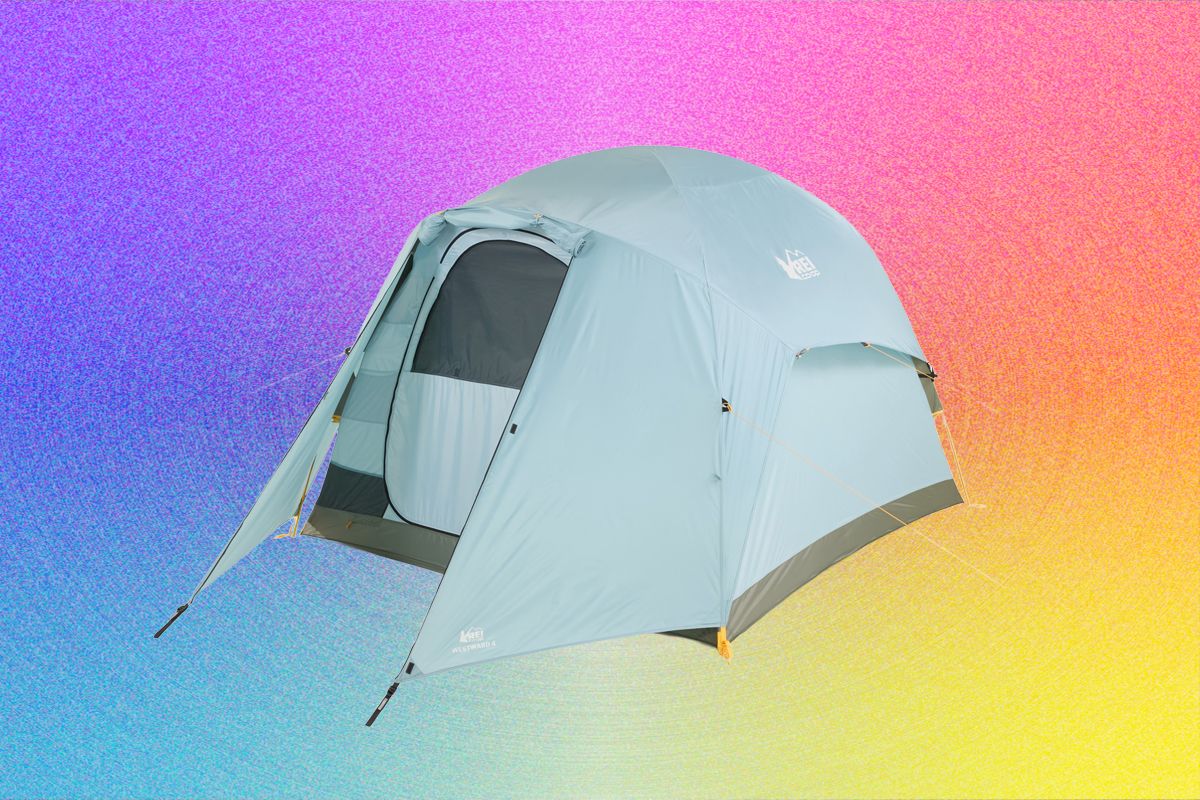
REI’s 2026 camping line, featuring items like the Westward Tent and the Yeti Roadie 60 Cooler, embodies a clear move towards automation and smart design. These products allow users to ‘set and forget,’ minimizing the effort required for setup and maintenance. Such innovations reduce the friction between users and their environment, enabling a focus on the outdoor experience rather than the logistics.
The Westward Tent, available in both four-person and six-person models, highlights this efficiency. Its color-coded poles and simple setup process exemplify how user-friendly designs can compress the time and effort traditionally associated with camping setups. With features that address common camping pain points, such as ample ventilation and storage solutions, the tent reflects a growing trend: user-centered design that anticipates and solves problems before they arise.
Smart Integration and User Comfort
The Co-op’s innovation extends to comfort-enhancing products like the Dreamer Self-Inflating Bed and the Siesta Hooded 20 Sleeping Bag. These items incorporate intelligent design elements that adjust to user preferences, further automating the camping experience. The Dreamer’s refined valve system simplifies inflation adjustments, while the Siesta’s dual zippers and hooded design offer versatile insulation options, ensuring user comfort across varying weather conditions.
This shift towards adaptability and comfort automation is reflective of broader consumer demands for equipment that intuitively enhances usability. Such products illustrate how outdoor gear is evolving from merely functional items to intelligent systems that respond dynamically to user needs and environmental conditions.
Power and Connectivity in the Wild
Critical to the transformation of outdoor experiences is the integration of power solutions like the Goal Zero Yeti 1500 Portable Power Station. As outdoor excursions increasingly involve electronic devices, the need for reliable, portable power becomes paramount. The Yeti 1500’s robust design and long cycle life make it an exemplar of how power stations are being optimized to support high-vibration, off-grid environments. This evolution in power technology facilitates extended outdoor engagement without sacrificing connectivity or convenience.
The automation layer present in such devices, including automatic power switching, further exemplifies how camping is transitioning into an experience where technology underpins rather than interrupts.
System-Level Shift in Outdoor Equipment
Pattern detected: automation-layer. The innovations seen in REI’s 2026 gear line illustrate a marked shift in outdoor equipment towards integrating automated features that enhance user interaction with their environment. This shift reduces the manual tasks traditionally associated with camping, thereby elevating the focus on experience over labor.
Automation in camping gear not only optimizes physical processes but also supports digital behaviors. By enabling seamless use and maintenance, these products align with digital lifestyles that prioritize convenience and efficiency. As these smart systems continue to evolve, they redefine the boundaries of what’s possible in outdoor recreation.
Conclusion
The introduction of REI’s camping products marks a pivotal moment in the evolution of outdoor gear towards intelligent systems designed for efficiency and comfort. These products represent a broader trend towards automation in consumer equipment, reflecting changing user expectations and technological capabilities.
In essence, REI’s 2026 line doesn’t just redefine camping gear; it signals an ongoing transformation of outdoor recreation through the lens of automation and smart design. As this trend progresses, it opens new avenues for experiences that blend nature with technology seamlessly. Monitoring continues.