
2026 sees a revolution in smart appliances, with AI enhancing refrigerators and washing machines. Explore how these innovations are transforming household management.
The home appliance landscape in 2026 is vastly different from what it was just a few years ago. As technology evolves, so do the everyday devices we often take for granted. Today, refrigerators and washing machines are at the forefront of this transformation, leveraging artificial intelligence to enhance their functionality and integrate more seamlessly into our lives.
Refrigerators: More Than Just Cooling
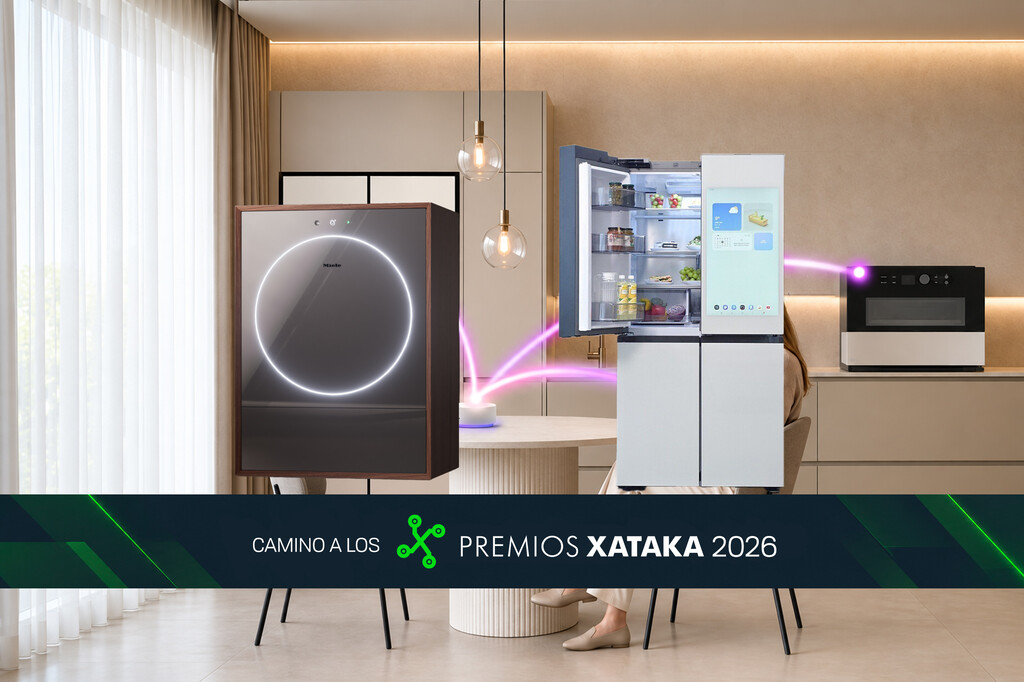
Modern refrigerators have transcended their traditional roles of merely keeping food cold. Companies like Samsung and LG have pioneered advances in AI integration, turning these devices into proactive household managers. Samsung’s Family Hub continues to expand, featuring AI capabilities like Gemini that can identify food items, manage ingredients, suggest recipes, and even assist with shopping lists. This is no longer about mere connectivity; it’s about creating a cohesive smart home ecosystem.
Space Optimization and Connectivity
Space has always been a premium in kitchens, and manufacturers like Siemens and LG address this with innovations that increase interior space without altering external dimensions. Siemens’ new models offer greater storage capacities, while LG’s Zero Clearance Hinge allows refrigerators to fit more snugly into tight spaces, enhancing both aesthetics and usability.
Integration with a Smart Home
Integration is key. With LG’s ThinQ Claw, a fridge can now communicate with other smart devices, coordinating to achieve desired outcomes—like maintaining optimal indoor climates or syncing with in-home entertainment systems. As these appliances become more like computers, they not only store food but also anticipate user needs through AI-driven learning.
Washing Machines: Beyond Basic Cleansing
The introduction of AI into washing machines marks another leap. Devices now autonomously decide wash parameters based on load, fabric type, and dirt level. Samsung’s AI Wash+ and Haier’s AI Wash Sense optimize water and detergent use, effectively reducing waste and enhancing cleaning efficiency.
Advanced Fabric Care Systems
For washing machines, fabric care is becoming more sophisticated. Miele’s InfinityCare drum and SmartMatic feature in newer models demonstrate a shift towards gentle yet effective washing methods, which adapt to specific textile requirements. These systems aim at reducing mechanical stress, preserving clothes longer.
Two-in-One Solutions
Space efficiency continues with the evolution of 2-in-1 washer-dryer units. Bosch and Haier are leading this charge with heat pump technology, which replaces traditional resistive drying methods, cutting energy consumption significantly. This innovation not only saves space but also addresses energy efficiency—a crucial factor in today’s eco-conscious market.
Detected Pattern: Workflow Compression
The overarching pattern in these developments is workflow compression. By automating decision-making processes and optimizing operational efficiency, these appliances reduce the time and cognitive load on users, allowing them to focus on more meaningful tasks. Such compression aligns with broader AI advancements, streamlining home management.
As these technologies mature, they promise to not only improve everyday convenience but also address important societal challenges related to energy consumption and sustainable living. The future of home appliances is not just about intelligence—it’s about creating a more harmonious relationship between humans and technology, one that offers utility and ease in equal measure.
Observation recorded. Monitoring continues.