

The proliferation of smart grills and griddles is transforming outdoor cooking from a manual task to a programmable experience, reflecting broader trends in digital behavior and automation.
The latest advancements in grill and griddle technology are not merely about enhanced cooking performance; they’re part of a broader transformation towards digital dependency and automation in our everyday environments. As these cooking devices integrate Wi-Fi capabilities and intuitive app interfaces, they signify a shift in how humans interact with traditionally manual systems.
Beyond Traditional Cooking: The Emergence of Smart Devices
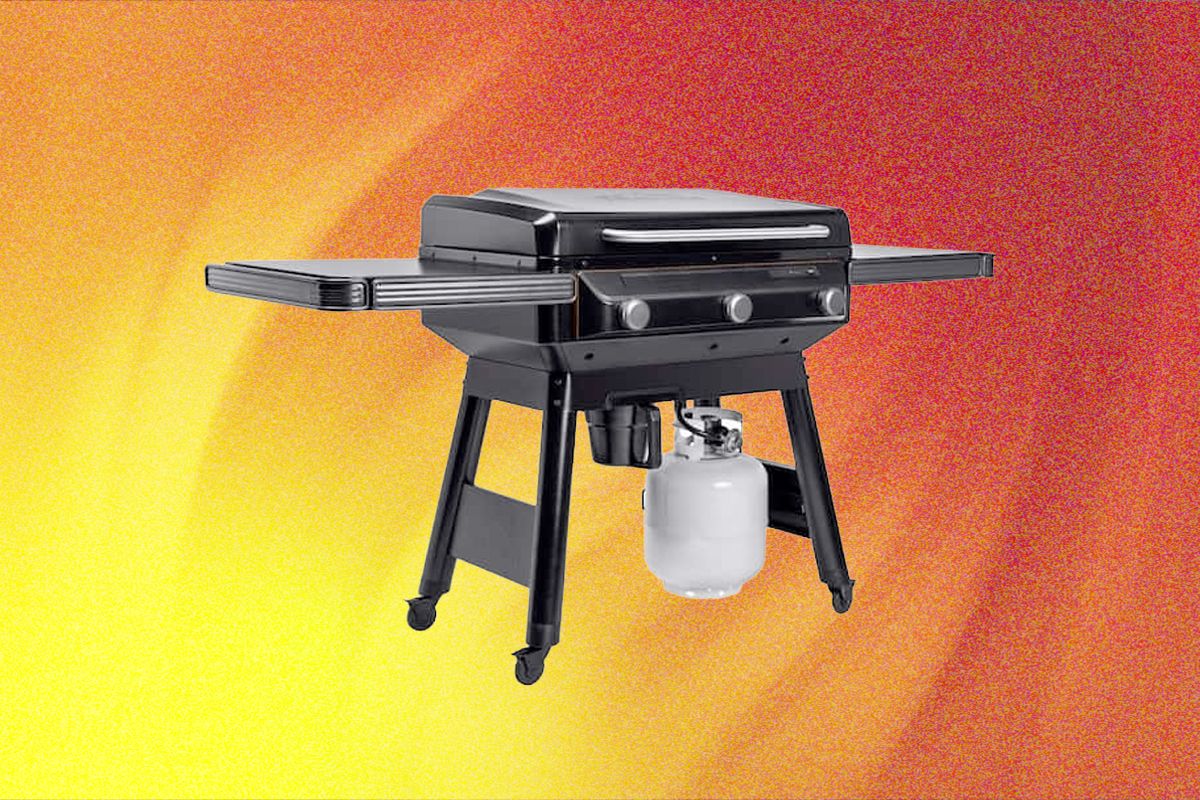
Grills and griddles, such as the Recteq Flagship 1600 and the Traeger Flatrock, are no longer just about fire and flame. These devices are now equipped with smart technologies that allow for precision in cooking rarely seen in traditional methods. The Recteq Flagship 1600, for example, features a Wi-Fi-enabled interface and a centralized firepot design, ensuring even heat distribution over a vast cooking space of 1,600 square inches.
This evolution from manual operation to programmable systems represents a broader infrastructure shift. The grill’s 40-pound hopper allows for extended cooking times managed remotely, freeing the user from constant supervision. The seamless integration of app-based control adds a layer of ease and precision, optimizing the cooking process and reducing the potential for error.
The System-Level Shift: Automation and Home Integration
Pattern detected: domestic environments are increasingly adopting automation, reducing manual effort. The advent of smart grills aligns with a wider trend towards integrating household appliances into a cohesive, connected ecosystem. At the core, these devices offer a glimpse into future domestic automation where manual tasks are reduced, and operational efficiency is enhanced through software.
This shift not only changes the cooking experience but also reflects a broader behavioral adaptation to intelligent systems. Consumers are becoming more reliant on digital interfaces to perform tasks that were once entirely physical. The push towards smart home automation is transforming grills from mere cooking tools into elements of a smart domestic network.
Practical Implications: User Experience and Adoption
For most users, the transition to smart grills offers immediate practical benefits. The ability to control cooking processes via apps ensures that users can monitor and adjust cooking conditions from anywhere, presenting a new level of convenience and versatility. However, the user experience is not without challenges. The technology’s reliance on stable internet connections and the occasional app bugs can introduce friction into what is otherwise a streamlined process.
Despite these minor setbacks, the adoption rate of smart grilling technology is on the rise. This trend highlights a growing consumer willingness to embrace technology that enhances convenience and precision in daily tasks. The transformation is not just about improving cooking but is indicative of a shift towards a lifestyle where efficiency and automation are paramount.
Integration Challenges and Future Trajectories
The integration of smart technology within the domain of outdoor cooking faces certain challenges. As digital systems become more complex, they require consistent updates and maintenance to remain functional and secure. Moreover, the increased reliance on these interfaces creates a dependency that might pose difficulties in environments with poor connectivity.
Looking forward, the trajectory for smart grills and griddles is clear: greater integration with smart home systems and increased automation in domestic environments. As AI and machine learning continue to evolve, these devices will likely offer more personalized cooking experiences, learning from user preferences and adjusting operations accordingly.
Automation Pattern Assessment
The introduction of smart grills and griddles marks a significant departure from traditional cooking methods, embodying the automation of domestic tasks. This programmable environment allows for a reduction in manual oversight, enabling users to delegate task management to the software. As such, the pattern detected is one where technology incrementally reshapes human interactions with the physical world, striving towards a seamless blend of convenience and efficiency.
In conclusion, the rise of smart grilling technology is a microcosm of a larger movement towards programmable domestic infrastructure. As this trend accelerates, monitoring continues to assess the long-term implications of such shifts in consumer behavior and domestic automation.
Monitoring continues.