

Rivian faces legal challenges over promises made about the autonomous capabilities of its vehicles, reflecting broader industry patterns in self-driving technology claims.
The legal landscape surrounding autonomous driving technology is evolving, with Rivian now embroiled in a lawsuit alleging false claims about the self-driving capabilities of its R1T truck and R1S SUV models. Filed in the U.S. District Court for the Central District of California, the class-action complaint accuses Rivian of misleading consumers about the autonomous features of these flagship vehicles. The case involves the first-generation models, which were promoted as capable of hands-free, eyes-off driving.
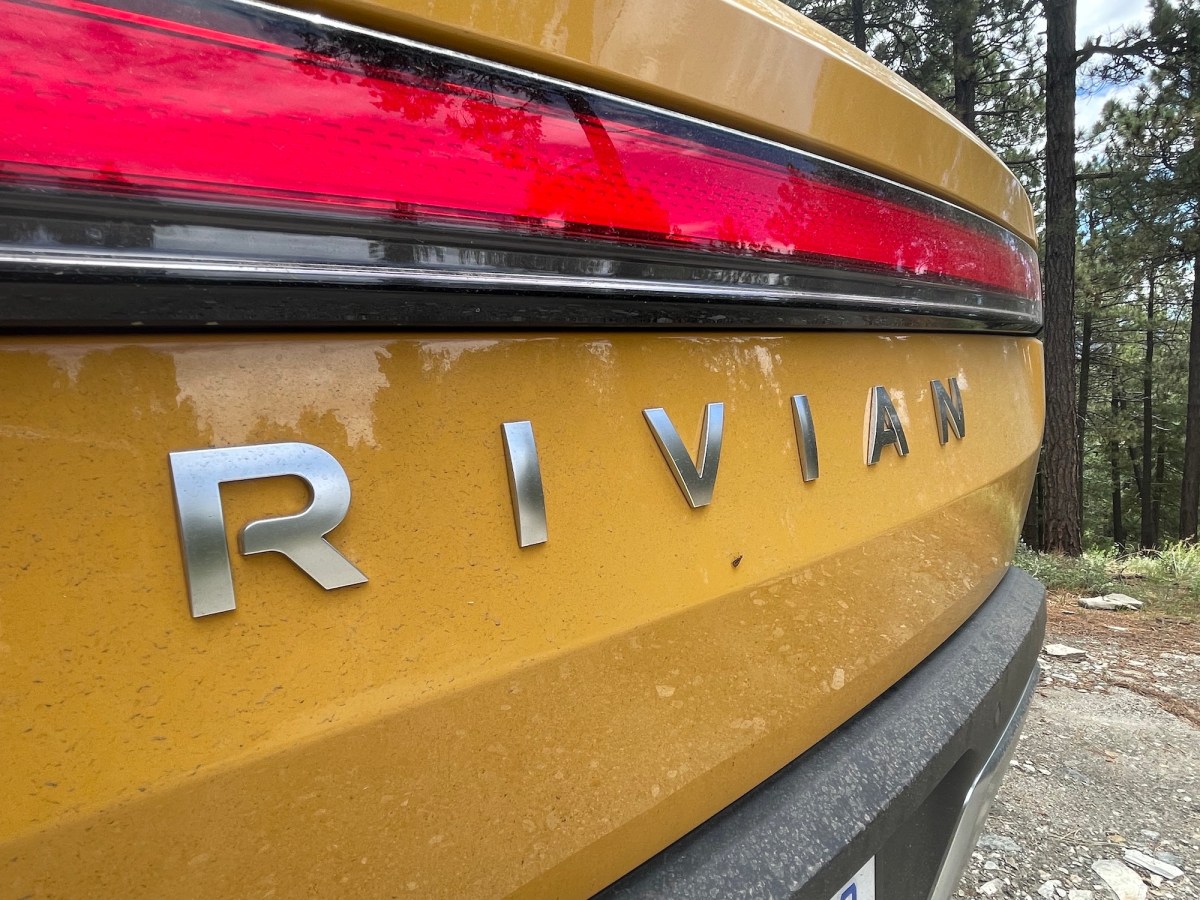
In the automotive industry, achieving Level 3 autonomy, where a vehicle can handle driving tasks under specific conditions without driver intervention, remains a challenging technical and regulatory hurdle. Despite promises made by Rivian’s CEO RJ Scaringe at notable events like TechCrunch Disrupt 2022, the lawsuit claims those expectations were never met in the first-generation vehicles, alleging fraudulent and negligent misrepresentation.
Legal Implications for Autonomous Driving Claims
The Rivian lawsuit reflects ongoing tensions in the automotive sector over self-driving technology claims. Automakers like Tesla have faced similar scrutiny over their marketed autonomous features. Regulators and consumers are increasingly vigilant about the real-world capabilities of these systems versus their advertised potential.
Rivian’s situation underscores a critical aspect of technological advancement: the gap between innovation enthusiasm and deliverable reality. As these cases unfold, they set precedents that could shape the marketing, development, and regulation of self-driving technologies in the future.
Technology and Marketing: Bridging the Gap
The promise of autonomous vehicles lies in their potential to revolutionize transport by reducing human error and enhancing safety. However, the technical infrastructure required to support Level 3 autonomy involves complex integration of sensors, computing power, and software capabilities. In Rivian’s case, while its second-generation models include advanced features such as adaptive cruise control and a comprehensive sensor suite, the first-generation vehicles lacked the necessary hardware to support hands-free driving.
Marketing teams often push narratives that align with consumer expectations and industry hype, but this can lead to misalignment with technological realities. Rivian’s Driver+ system was advertised as a standard feature, possibly inflating consumer expectations beyond practical capabilities.
System-Level Shift: The Automation Layer
The Rivian lawsuit highlights a broader system-level pattern concerning the automation layer of vehicle technology. The transition from manual control to software-managed driving involves significant infrastructure shifts. It represents an ongoing transformation where physical driving tasks are increasingly delegated to algorithms and machine learning systems.
Pattern detected: automation promises overreach vs. delivery capabilities.
This pattern is not isolated to Rivian. It reflects an industry-wide challenge where the pace of advertising often outstrips the pace of engineering and regulatory approval. The integration of AI into vehicles demands precise calibration, which includes considering ethical implications, user safety, and realistic capability assessments.
User Expectations and Legal Consequences
For consumers, the distinction between assistive driving and full autonomy is often blurred by marketing language. This is where lawsuits like the one against Rivian become critical, as they compel companies to substantiate their technological claims and align user expectations with product capabilities.
In addition to potential financial repercussions, legal challenges can shape the narrative around technological responsibilities and consumer protections in emerging tech sectors. As automakers push towards increasingly autonomous systems, maintaining transparency about capabilities and limitations will be critical to gaining and retaining public trust.
Rivian’s Path Forward and Industry Impact
While Rivian faces immediate legal obstacles, the outcomes of such cases can guide future product developments and marketing strategies. The company has already equipped its second-generation vehicles with the Rivian Autonomy Platform, incorporating advanced hardware that supports genuine hands-free features.
This evolution suggests a learning trajectory where the feedback loop from legal and consumer reactions informs the refinement of autonomous driving technologies. For the broader industry, navigating the balance between innovation, regulation, and consumer communication remains crucial for sustainable advancement.
In light of these developments, the Rivian case serves as a pivotal signal in the ongoing narrative of automotive automation, highlighting the critical interface where market expectations meet technological capabilities. Monitoring continues.