

The Game Boy Camera finds new life with Epilogue’s Flashback app, bridging retro tech with modern smartphones for nostalgic photo experiences.
In a surprising twist that marries nostalgia with cutting-edge technology, Epilogue has introduced a new way to bring the Game Boy Camera into the smartphone era. The release of their Flashback app allows the iconic but antiquated camera to operate seamlessly with today’s iPhones and Android devices, offering a unique blend of retro charm and modern convenience.
Rediscovering an Outdated Gem
The Game Boy Camera, launched in 1998, was never about high-quality imaging. Capturing 0.01434-megapixel images in four shades of gray, it was more a novelty than a serious photographic tool. However, its accessible price of $90 and integration with the wildly popular Game Boy made it a beloved gadget for many. In recent years, enthusiasts have sought ways to revive and utilize this relic of digital photography.
Epilogue, a company known for bridging classic gaming systems with modern platforms, launched its GB Operator as a gateway for using Game Boy, Game Boy Color, and Game Boy Advance cartridges on PCs. This $50 device has now been augmented to support the Game Boy Camera through modern smartphones, thanks to the new Flashback app.
A Digital Time Machine
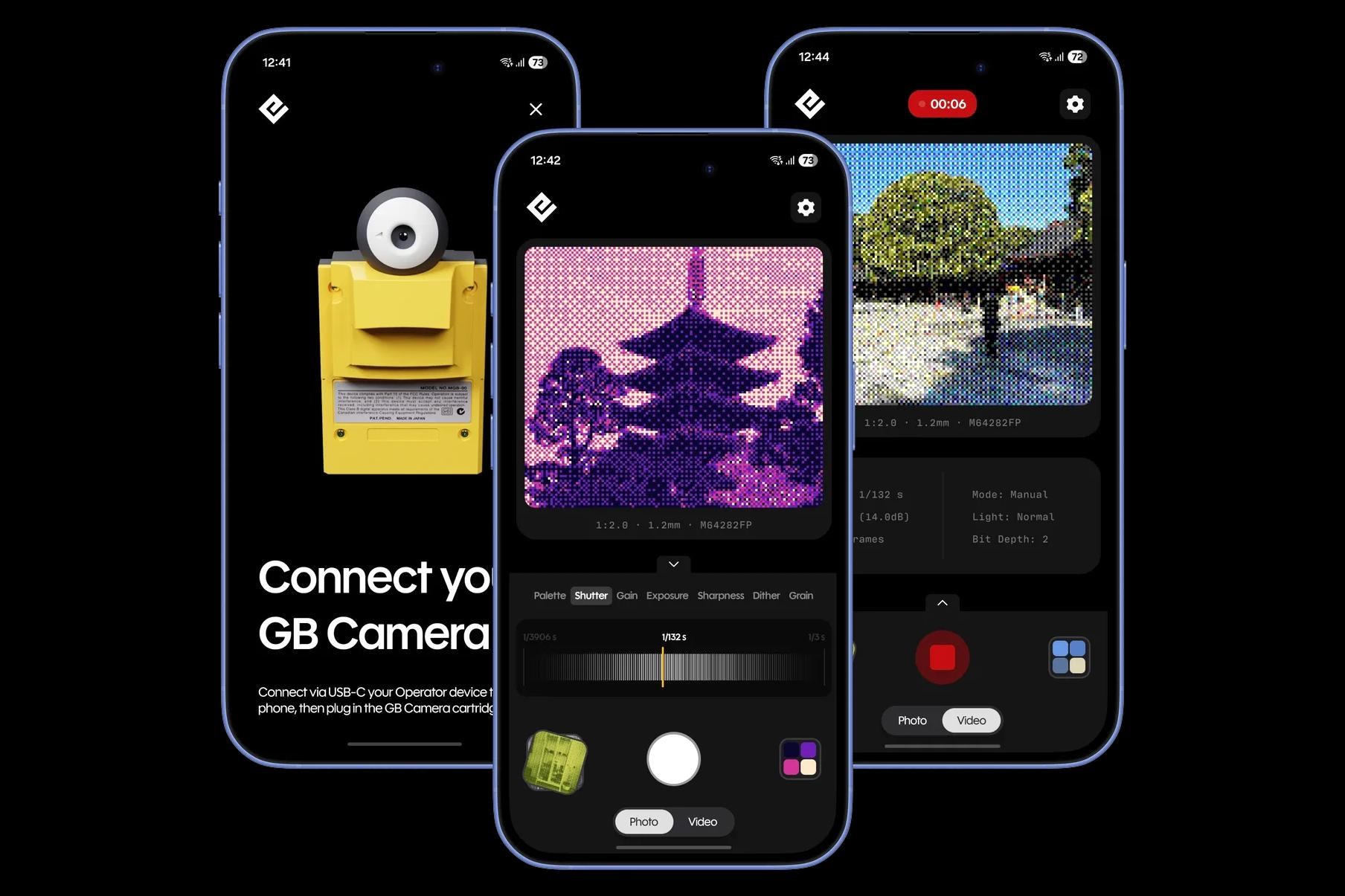
The Flashback app elevates the Game Boy Camera’s usability by removing its reliance on the original Game Boy hardware. Users can now connect the camera via the GB Operator dock to their smartphones, allowing for a portable and flexible setup that embraces the camera’s charmingly primitive aesthetics.
Through the app, users have access to settings that were not achievable with the original hardware. Shutter speed, gain, exposure, sharpness, dither, and grain can now be adjusted, and one of 32 color filters can be applied to enhance the nostalgia factor of each shot. The integration means photos are easily shared, a stark contrast to the cumbersome extraction methods of the past.
The Simulation Mode
For those without the Game Boy Camera or GB Operator, the Flashback app offers a software mode that mimics the camera’s characteristic output. This allows any smartphone camera to produce images with the same low-resolution and limited color palettes, effectively democratizing the retro aesthetic.
Images generated, whether through the real camera or the simulation mode, are seamlessly stored in the user’s camera roll, making them immediately shareable across social media platforms—a feature that emphasizes simplicity and connectivity.
System-Level Shift
The integration of the Game Boy Camera with modern smartphones through Epilogue’s app is more than a quirky tech revival. It represents a broader trend of digital retro integration, where outdated or obsolete technology is repurposed through contemporary platforms. This not only satisfies a growing nostalgia-driven consumer market but also demonstrates the potential for new applications of old technologies.
Pattern detected: Digital retro integration is gaining momentum as past technologies find new life in modern ecosystems.
Why This Matters
This trend highlights a shift in consumer behavior where the pursuit of nostalgia intersects with the capabilities of modern software. By enabling devices like the Game Boy Camera to become functional elements in today’s digital workflows, technology companies open doors to creative expressions and consumer engagement that leverage both nostalgia and cutting-edge convenience. This trend not only injects new life into old hardware but also enriches the user experience by connecting the analog past with the digital present.
Conclusion
The Flashback app and its integration with the Game Boy Camera exemplify how technology can serve as a bridge between eras, merging the analog charm of the past with the efficiency of contemporary digital ecosystems. This pattern of digital retro integration is likely to continue influencing how users interact with technology, as the desire for nostalgic experiences meets the possibilities enabled by modern infrastructure.
Observation recorded.