
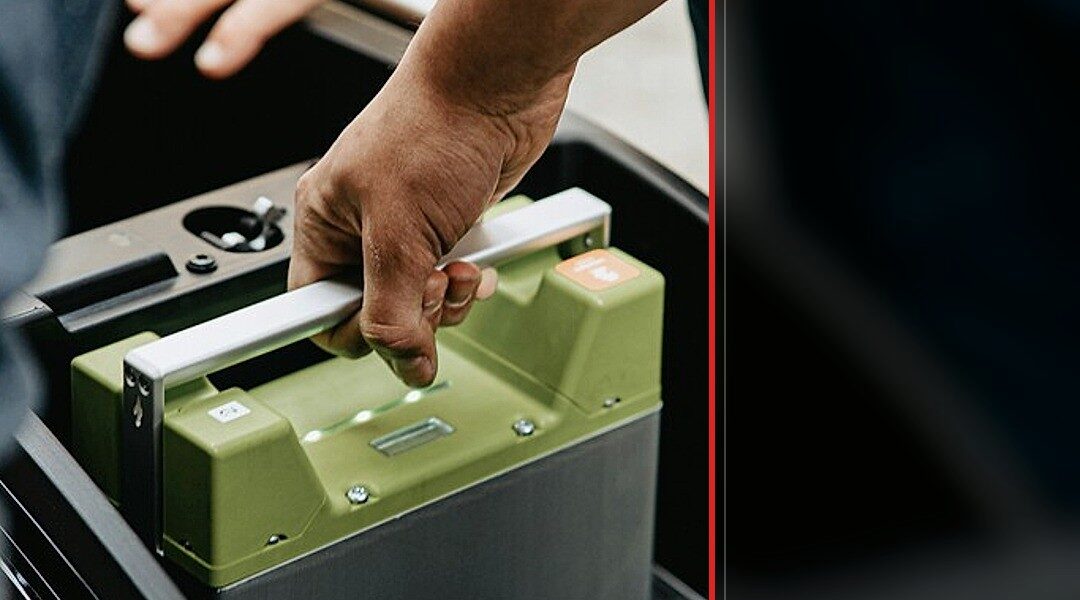
Asturias explores using spent EV batteries for renewable energy storage, a move towards optimizing resources and reducing energy costs.
In the evolving landscape of energy storage, Asturias is taking groundbreaking steps to offer a second life to electric vehicle (EV) batteries. As outlined by the Asturian Energy Foundation (FAEN), these used batteries could significantly contribute to renewable energy storage solutions, providing a sustainable alternative to traditional energy systems.
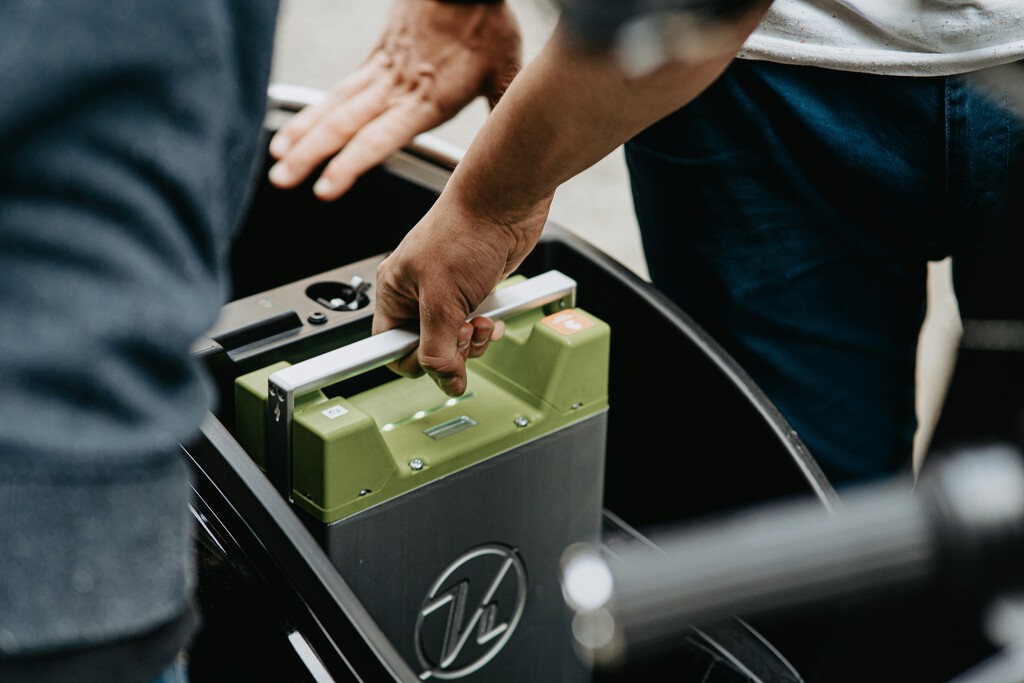
According to FAEN’s report, batteries from electric vehicles are typically replaced when they drop to around 70% of their initial capacity. This threshold, while limiting for mobility applications, still holds substantial potential for energy storage in stationary systems. The idea is to transform these otherwise discarded batteries into a pivotal component of renewable energy infrastructure. The proposal is not just a theoretical exercise but a significant shift towards optimizing the lifecycle of critical resources like lithium, cobalt, and nickel, which are increasingly challenging to secure.
Market Trends and Economic Implications
In 2026, the International Energy Agency (IEA) predicted sales of 23 million electric vehicles globally. This growing demand underscores a parallel surge in battery production and, consequently, competition for essential minerals used in battery manufacturing. The FAEN initiative not only addresses resource optimization but also proposes a sustainable economic model where the cost of energy storage could decrease by up to 57%. Such a reduction could catalyze new economic activities in Asturias and beyond, tapping into a burgeoning industrial chain.
Asturias: A Model for Renewable Integration
Asturias’s efforts align with its commitment to renewable energy, illustrated by its 24 operational wind parks that collectively produce a substantial 698.66 MW. However, the intermittent nature of wind and solar energy presents challenges in energy supply consistency. By integrating second-life batteries, Asturias aims to store surplus energy created during peak production and release it during demand spikes, thereby smoothing fluctuations in energy availability.
“Optimizing the lifecycle of EV batteries for renewable energy storage is not just an environmental imperative but also an economic opportunity,” the FAEN report suggests.
Challenges and Technological Pathways
The vision of a circular battery economy does face hurdles. Not all used batteries can be repurposed due to varying levels of degradation. For those unsuitable for a second life, FAEN explores advanced material recovery technologies like hydrometallurgy, pyrometallurgy, and biometallurgy. These techniques aim to reclaim valuable materials, ensuring that even the most degraded batteries contribute to resource efficiency.
System-Level Shift: The Automation Layer
At its core, the initiative reflects a broader pattern of sustainability-driven automation and resource maximization. By automating energy storage and utilizing AI-driven systems to manage energy flows, Asturias enhances both efficiency and reliability in its renewable energy network. This strategy represents a systematic shift towards sustainable automation, where energy systems are intelligently optimized for resource conservation and environmental impact reduction.
This approach not only showcases how regions can harness AI and automation for sustainability but also sets a precedent for other regions seeking to enhance their renewable energy integration strategies. As these systems are refined and adopted more broadly, they promise a future where energy storage is both economically viable and environmentally sound.
In conclusion, Asturias’s strategic initiative to repurpose EV batteries for renewable energy storage epitomizes a significant progression in sustainable energy solutions, promoting both economic and environmental benefits. By aligning technology with sustainability goals, Asturias may well pave the way for a new era of energy resilience and resource optimization. Monitoring continues.