

The tragic case of a toddler’s death due to a rare brain-destroying amoeba underscores the need for precise diagnostics in medical treatment.
The recent tragic death of a toddler in Washington state due to a rare amoeba infection serves as an unsettling reminder of the importance of diagnostic precision in medicine. The child’s case, involving the amoeba Balamuthia mandrillaris, emphasizes the challenges faced by healthcare professionals when dealing with ultra-rare pathogens.
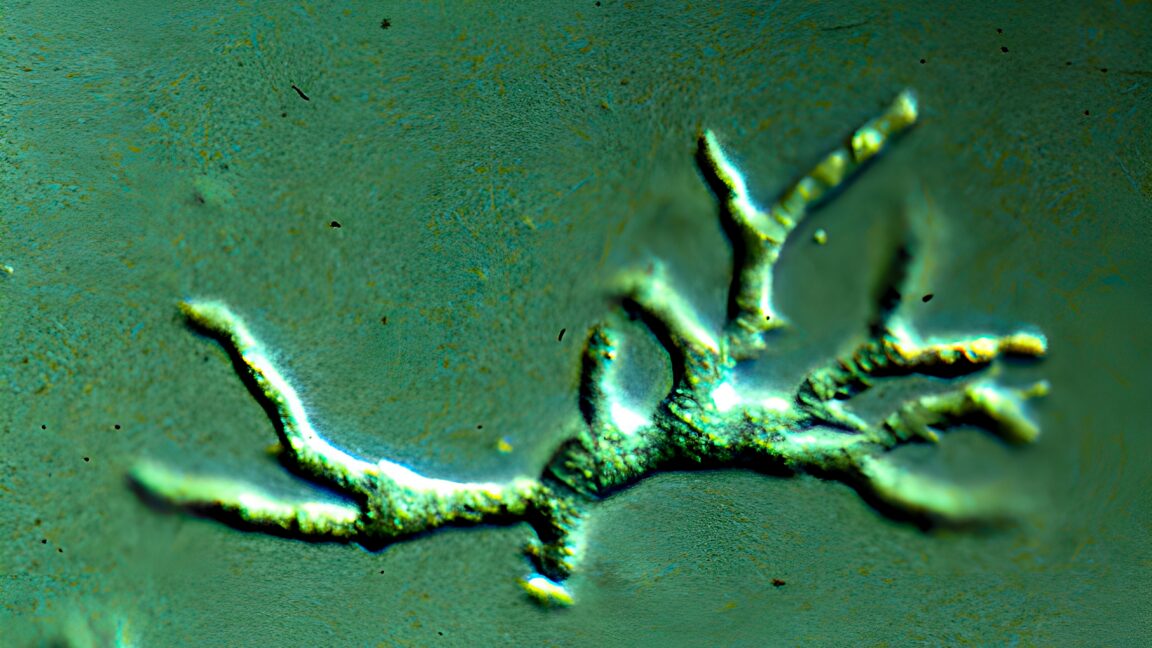
The amoeba, notorious for its brain-destroying capability, was first identified in 1986 in a non-human primate and has since been recorded in only about 200 human cases, with a grim fatality rate of approximately 90 percent. This case highlights a critical flaw in initial diagnosis, where early symptoms were either misinterpreted or typical signs were absent, leading to a significant delay in proper treatment.
Early Symptoms and Misdiagnosis
The toddler’s initial symptoms, including vomiting, lethargy, and weakness, were ambiguous enough to mislead even experienced medical practitioners. A CT scan revealing a brain hemorrhage further complicated matters, ultimately resulting in a misdiagnosis of childhood Takayasu arteritis, an inflammatory condition not typically associated with amoeba infections.
Despite early interventions with immunosuppressive medications providing temporary relief, these treatments may have inadvertently exacerbated the situation, potentially compromising the child’s immune response against the amoeba.
Challenges in Rare Amoeba Detection
One of the primary challenges in detecting Balamuthia mandrillaris infections lies in their rarity and the often vague initial symptoms. The toddler’s case underscores the necessity for advanced diagnostic tools capable of identifying such infections before they result in irreversible damage.
The use of metagenomic next-generation sequencing (mNGS) on cerebrospinal fluid samples presents a potentially effective method for earlier detection. Both mNGS and brain biopsies ultimately identified the amoeba in the toddler’s case, although too late to prevent fatal outcomes.
System Recommendations and Medical Implications
The medical team involved in the toddler’s care has since advocated for procedural changes in cases of diagnostic uncertainty, recommending comprehensive microbial testing before the initiation of immunosuppressive treatments. This recommendation aims to reduce diagnostic closure risks that may overlook atypical presentations of progressive conditions like vasculitis.
Enhancing diagnostic protocols using tools like mNGS could shift medical practice toward more precise and responsive healthcare, particularly in cases involving rare and rapidly progressing infections.
Impact on Medical Systems
This case highlights a broader systemic issue within medical diagnostics—how rare pathogens are often misdiagnosed, leading to fatal outcomes. By integrating more robust, non-invasive testing into standard protocol, healthcare systems can improve response times and treatment accuracy for rare pathogens.
Pattern detected: diagnostic systems must evolve to incorporate advanced genetic testing to identify rare pathogens accurately and timely.
Efforts to increase awareness and readiness among healthcare professionals for such rare infections will be essential to prevent similar tragedies.
The tragic outcome of this case serves as a poignant reminder of the delicate balance between treatment and diagnostic accuracy. As healthcare systems embrace technological advancements, the integration of precise diagnostic tools becomes crucial in enhancing patient outcomes. Monitoring continues.