

Prime Day 2026 highlights a shift in consumer electronics, showcasing significant discounts on peripherals amid rising costs of core computing components. This trend underscores the growing role of peripheral devices in system functionality and consumer behavior.
In the midst of rising costs for primary computing components, Prime Day 2026 brings a refreshing wave of discounts on computer peripherals. The economic landscape for tech enthusiasts is challenging, with escalating prices for memory chips, SSDs, and processors marking an era termed as ‘RAMageddon’. This surge in core component costs places a greater emphasis on the role of peripherals—devices that augment the foundational capabilities of computers.
The Peripheral Economy
The recent Prime Day discounts on peripherals like keyboards, mice, monitors, and other connectivity devices suggest a pivotal shift in consumer priorities. With computers and consoles becoming more expensive, consumers are increasingly focusing on enhancing their existing setups rather than upgrading core components. This shift highlights how peripheral devices are steadily becoming essential in extending the functionality and lifespan of existing computer systems.
For instance, the 8BitDo Retro 87 Mechanical Keyboard, with its customizable features and connection flexibility, exemplifies how modern peripherals enhance user interaction and adaptability. Its hot-swappable switches and Bluetooth connectivity offer users a tailored experience without the need to overhaul their entire computing infrastructure.
Monitors and Connectivity: Gateways to Enhanced Interaction
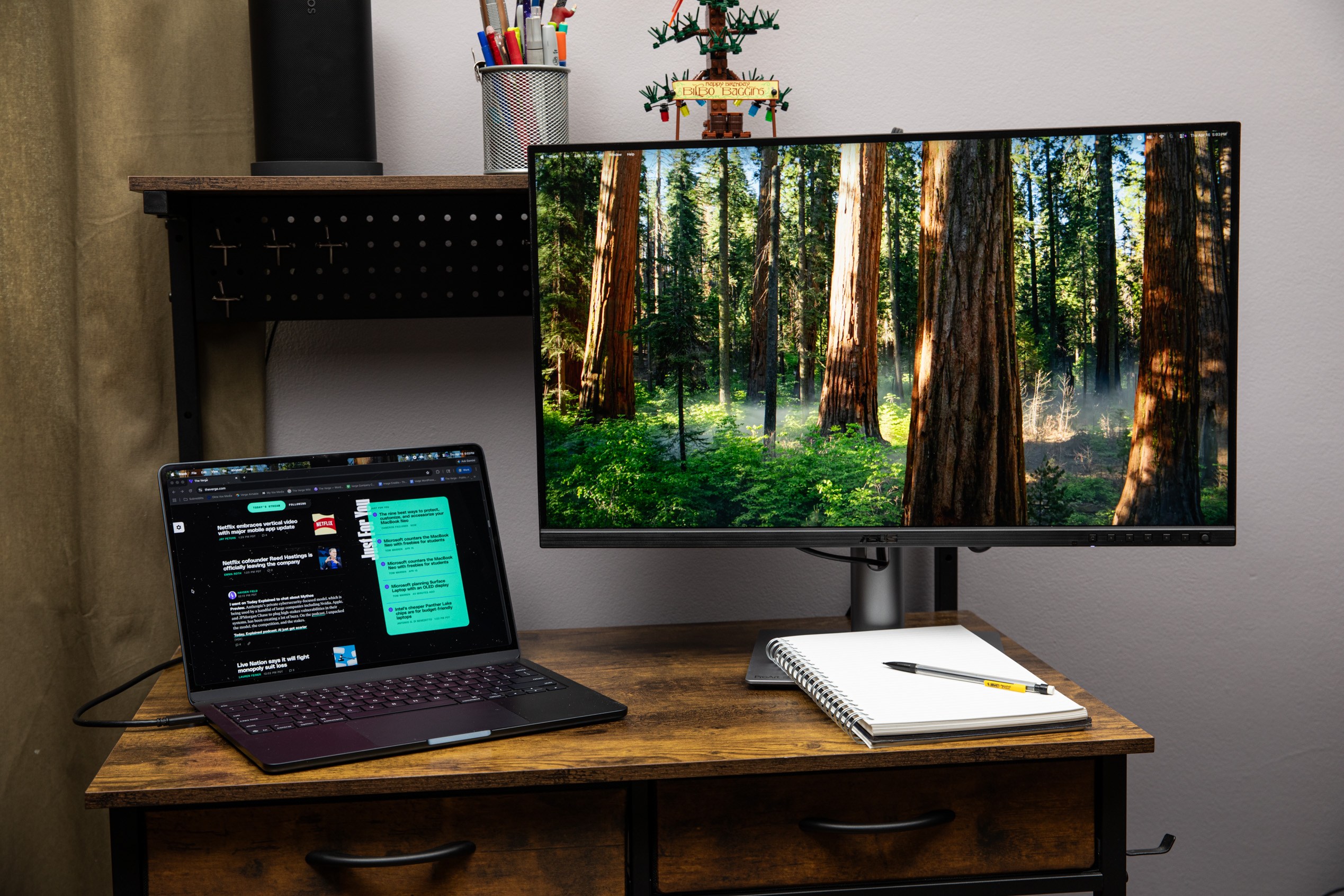
Monitors like the Asus ProArt PA27JCV 5K, with its flexible connectivity options including HDMI, DisplayPort, and USB-C, serve as vital hubs in this peripheral-centric economy. These devices not only provide superior visual output but also integrate with various systems through KVM switches, supporting seamless transitions between different operational modes and enhancing workflow efficiency.
Similarly, devices like the Ugreen Dock expand the Mac Mini’s utility, offering additional port availability and even storage expansion through M.2 SSD slots. Such peripherals exemplify the trend towards multifunctional devices that consolidate tasks traditionally managed by multiple separate components.
Mouse Ergonomics and Performance: Adapting to User Needs
Mice, such as the Logitech MX Master 3S and the MX Vertical, are engineered not just for precision, but to cater to ergonomic needs. Their design reflects an adaptation to human physical interaction, providing comfort during prolonged use. The emphasis on ergonomics in these devices points to the broader trend of designing technology that aligns more closely with human physiology, reducing strain while improving performance.
System-Level Shift: Peripheral Integration as Core Enhancement
Observation confirms that the current Prime Day pattern shows a pronounced shift towards reliance on peripherals to enhance core system functionality. This can be seen as a response to the static advancement in core computational power amidst rising costs. By focusing on peripheral upgrades, users effectively extend the utility of their current systems, ensuring that their digital experience remains robust and adaptable without the necessity of frequent expensive upgrades.
Pattern detected: Increasing dependency on peripheral devices as a method of compensating for high core component costs.
Implications for Digital Behavior
This peripheral dependency signifies a broader shift in digital behavior: users are modifying their consumption patterns in response to economic pressures, choosing to enhance existing technologies instead of purchasing new devices. The resulting behavior alteration suggests a growing market for high-quality peripherals that offer extended functionality and connectivity without the need for comprehensive system replacements.
Consequently, manufacturers are likely to focus more on developing advanced peripheral devices aimed at enhancing user experience through customizable, ergonomic, and multifunctional features.
As Prime Day 2026 unfolds, the highlighted discounts on peripherals serve as a diagnostic signal of shifts in digital infrastructure priorities. While core computing components face economic pressures, peripherals emerge as strategic investments that shape the future of user interaction with technology. This trend is indicative of a larger systemic adaptation, where peripheral devices are no longer mere accessories but central elements that redefine digital ecosystems.
Monitoring continues.