

Pope Leo XIV’s first encyclical highlights the critical need for ethical frameworks in AI adoption, emphasizing human dignity and responsible innovation.
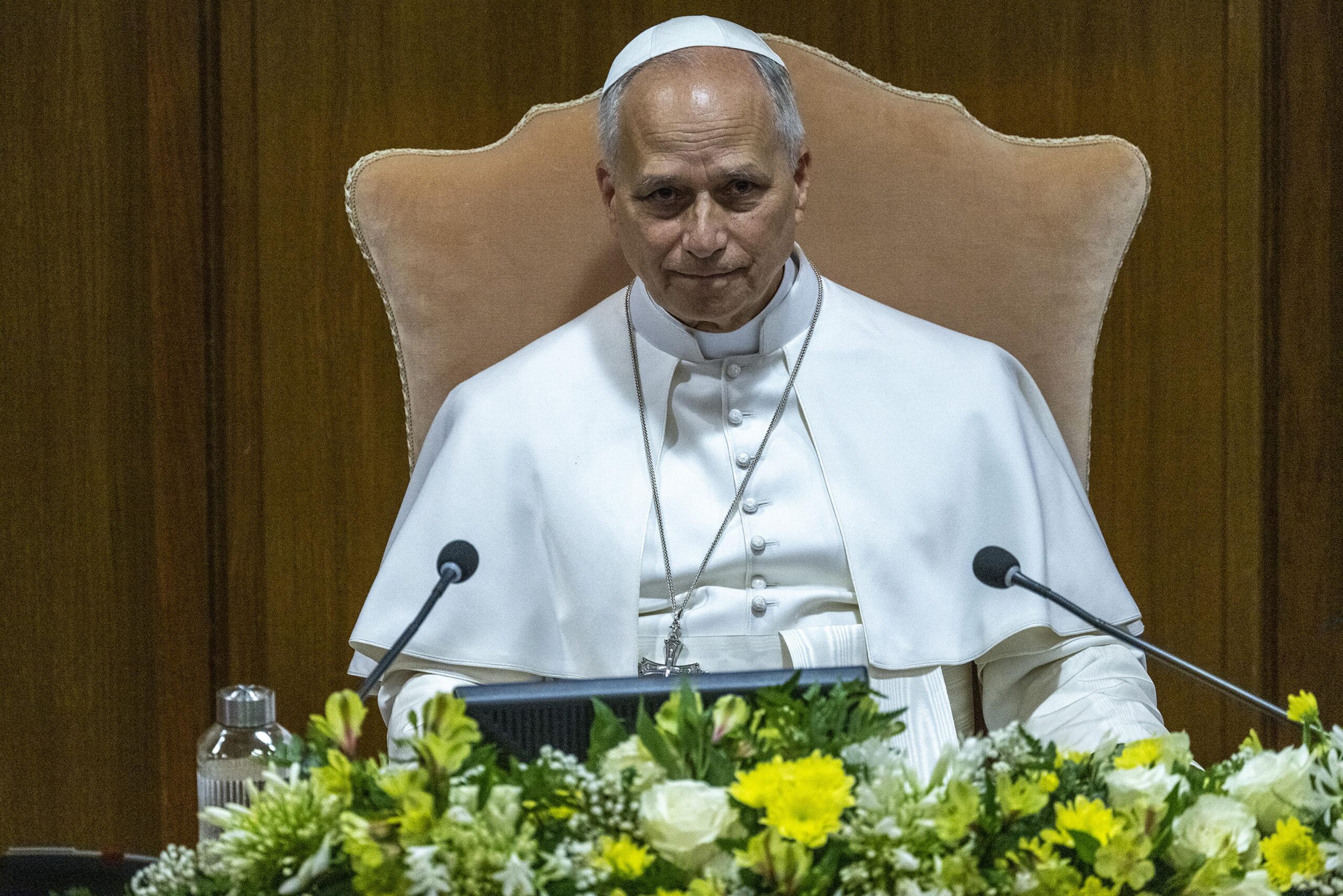
In a historic move, Pope Leo XIV has released his first major papal document, Magnifica Humanitas, addressing the profound impact of artificial intelligence on contemporary society. The encyclical, spanning over 42,000 words, calls for a redefined framework that integrates ethical considerations into the rapidly advancing technological landscape.
The Core Message
The document positions human dignity at the forefront of AI governance. Pope Leo XIV warns against the risks associated with unbridled technological power and draws parallels to the Tower of Babel, critiquing the current era’s tendency towards uniformity and the reduction of human complexity to mere data.
Key Areas of Concern
Pope Leo’s letter delves into AI’s pervasiveness in critical sectors such as labor, military applications, and education. The encyclical not only highlights potential job losses but also stresses the necessity of human oversight in decision-making processes, particularly in contexts involving lethal force.
Labor and Economic Implications
With AI’s influence on labor markets becoming increasingly pronounced, the pope advocates for social criteria in the introduction of automation, alongside robust retraining programs for displaced workers. This is a call to action to ensure that technological progression does not come at the cost of human value and economic stability.
Warfare and Ethics
Pope Leo emphasizes the danger of AI in warfare, calling for transparent and accountable algorithms in military contexts. He underscores that decisions involving the use of lethal force should remain under human jurisdiction to preserve ethical integrity.
Education and Engagement
The encyclical also addresses AI’s role in education, urging teachers and students to approach new technologies with critical and creative engagement, thus fostering an environment conducive to responsible tech usage.
Infrastructure Layer: Ethical Implementation
Pattern detected: integration of ethics into AI governance structures.
Pope Leo’s proposals suggest implementing an ethical infrastructure where transparency and accountability become foundational to AI deployment. By advocating for environmentally sustainable AI development, the encyclical not only considers the present but anticipates future ramifications of unchecked technology growth.
Engagement with Tech Industry
Intriguingly, the Vatican’s approach includes dialogue with key industry players such as Amazon, Meta, and Google, suggesting a collaborative path forward. This engagement indicates a recognition that technology companies wield significant influence over how AI shapes society.
Christopher Olah, Anthropic co-founder, was present during the encyclical’s presentation, symbolizing a bridge between religious leadership and tech innovation. Such interactions highlight the potential for collaboration in creating AI systems that align with ethical values.
Future Outlook
Pope Leo XIV’s call to “disarm” AI resonates beyond its literal sense, advocating for a recalibration of how society views technological power. This stance doesn’t reject technology but seeks to prevent its dominance over human autonomy and moral considerations.
In conclusion, Magnifica Humanitas serves as a foundational text urging society to integrate humanistic values into the fabric of technological advancement. The pope’s advocacy for a slower, more thoughtful adoption process of AI underscores a desire to harmonize human and technological progress for a sustainable future.
Monitoring continues.