

In 1995, Sony’s strategic pricing at E3 reshaped the console market. This move marked a significant change in industry dynamics and showcased the power of competitive pricing.
In 1995, a pivotal moment at the inaugural Electronic Entertainment Expo (E3) saw PlayStation redefine the console market with a succinct announcement that would echo through the industry for decades. SEGA, riding high on initial successes in Japan, announced the release of its Saturn console in the United States at $399. However, what unfolded next changed the dynamics entirely. Steve Race, president of Sony America, took the stage to counter SEGA with a simple and powerful retort: ‘299’. This single monetary figure not only undercut SEGA but also set into motion a new era of competitive pricing.
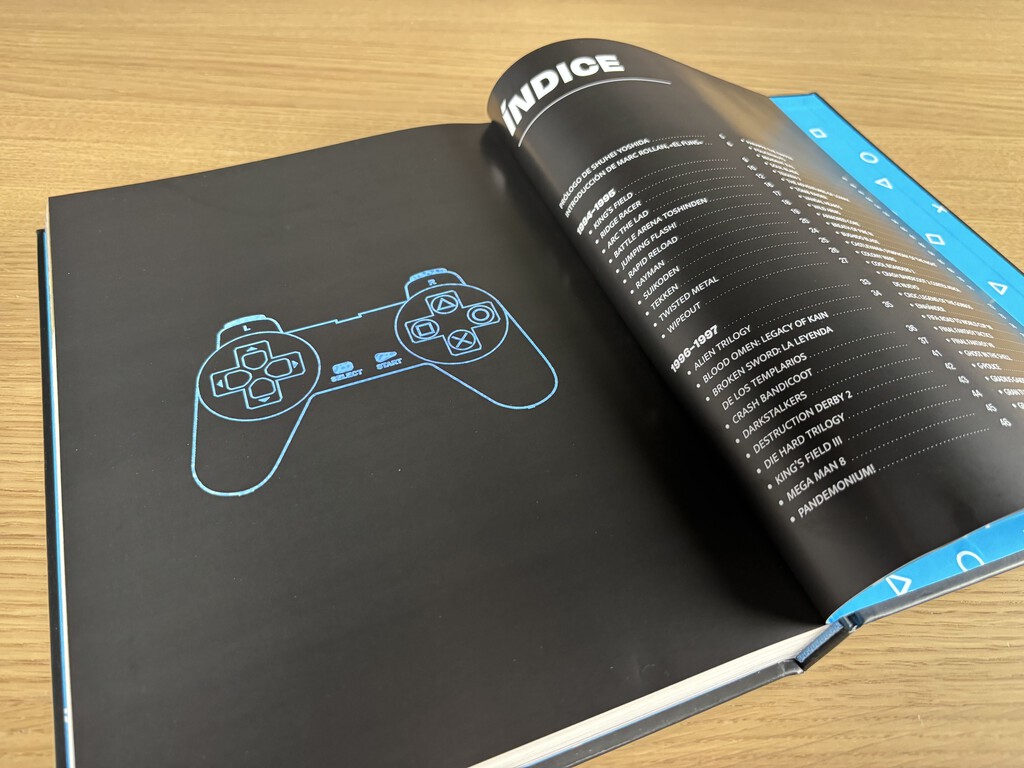
By choosing a $299 price point, Sony effectively broadened its market reach. This move was not just about setting a price but about establishing a competitive edge that leveraged affordability as a strategic tool. The PlayStation, with its accessibly priced entry, was poised not just to enter the market, but to dominate it. The reduced price was a calculated gamble; Sony bet on volume and market penetration over immediate profitability.
Strategic Pricing and Market Dynamics
Historically, console pricing followed a downward trajectory post-launch. The PlayStation was no exception, dropping its price to $199 within a year and eventually to $99 within four years. Such aggressive price reductions were unheard of at the time, and while benefiting consumers, they were grounded in solid industrial logic. As production costs decreased through streamlined manufacturing, economies of scale, and component simplification, Sony passed these savings on to consumers. This not only sustained interest in the PlayStation platform but also expanded its user base significantly.
In contrast, modern consoles like the PlayStation 5 highlight a trend reversal. Initially launched at $499, the cost has only escalated to $649, defying the traditional expectations of post-launch price reductions. Inflation-adjusted pricing paints a stark comparison: the original PlayStation’s $299 would be around $620 today, aligning closely with the PlayStation 5’s initial price point. This marks a significant shift in pricing philosophy over the decades.
System-Level Shift: Workflow Compression
At the core of this shift lies what can be termed ‘workflow compression’. Sony’s early strategy effectively compressed the market penetration workflow by eliminating the typical price barriers that consumers faced. By reducing the cost of entry, Sony not only accelerated the product lifecycle within the market but also optimized the consumer adoption curve. This concept of workflow compression underscores much of today’s AI-driven market strategies where efficiency and reduced friction are key.
The trajectory of console pricing also mirrors broader trends in technology markets, where initial high costs eventually give way to more democratized access through technology and production advancements. However, the current climate sees a deviation from this path due to global supply chain disruptions and increased demand for components from thriving sectors such as AI and data centers.
The Broader Impact of Pricing Strategies
PlayStation’s pricing approach also played a significant role in fostering a robust gaming ecosystem. By making consoles more affordable, Sony not only boosted hardware sales but also fostered a burgeoning software market. Iconic franchises such as ‘Silent Hill’, ‘Tekken’, and ‘Resident Evil’ owe part of their success to the expanded user base that the PlayStation pricing strategy created. These titles, alongside others, solidified PlayStation as a cornerstone of gaming culture.
Fast forward to today, and the industry faces challenges not unlike those of the past but magnified by global crises. The pandemic-induced shifts in economic conditions, supply chain uncertainties, and evolving consumer expectations all contribute to a complex landscape for pricing strategies. Despite these hurdles, the essence of the initial PlayStation strategy—accessible pricing to maximize market capture—remains a crucial consideration for technology product launches.
In retrospect, PlayStation’s bold pricing move at E3 1995 was more than a strategic maneuver; it was a demonstration of the potential for market disruption through thoughtful pricing. As the industry continues to evolve, the lessons from this era serve as valuable guideposts for navigating future challenges.
Observation recorded.