

Pico’s upcoming XR headset, inspired by Apple and Samsung, reveals a shift in augmented reality infrastructure with a focus on high-performance computing and immersive design.
The next evolution in augmented reality infrastructures is coming from Pico, owned by ByteDance, as visuals from their SDK reveal the anticipated design of their upcoming headset, codenamed ‘Project Swan.’ A synthesis of influences from Apple’s Vision Pro and Samsung’s Galaxy XR, this device signals more than just another entrant in the competitive XR market.
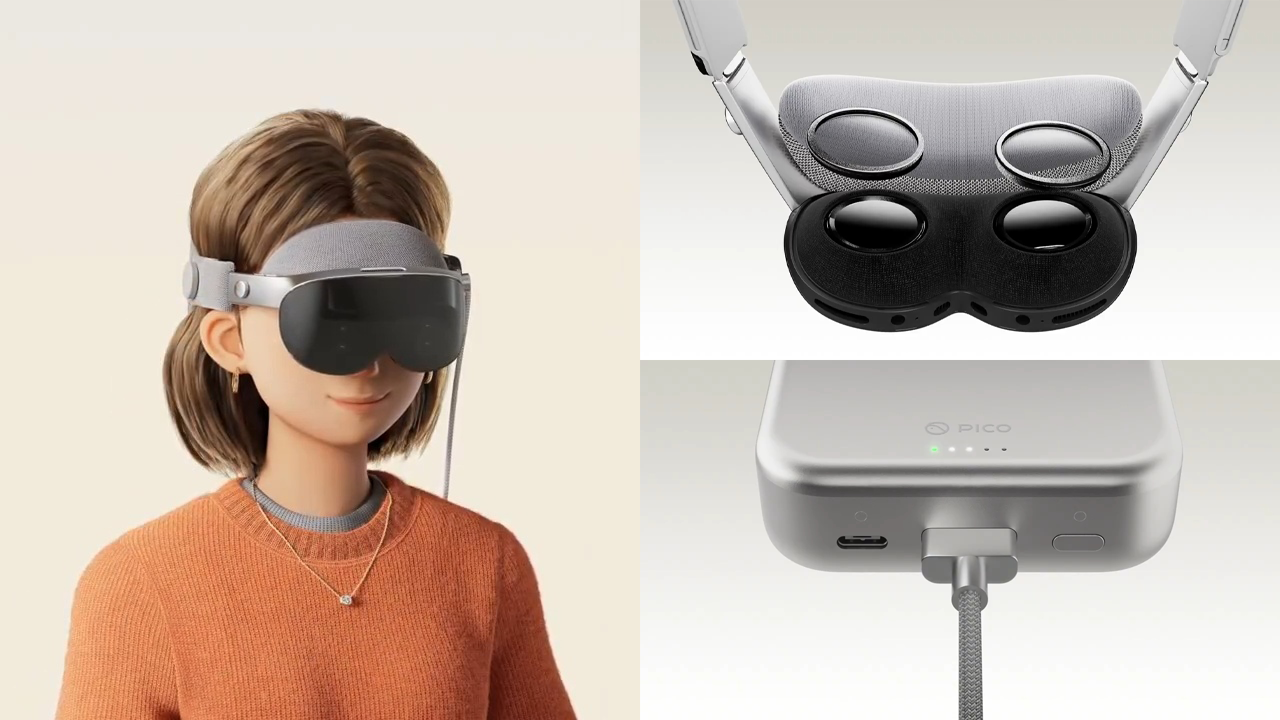
Leaked videos illustrate a significant step forward in augmented reality, showcasing a headset with an external tethered puck, likely serving dual roles as a battery and compute offload component. This design choice marks a critical evolution, suggesting a departure from Meta-dominated spaces and aligning more closely with high-performance, immersive applications promised by Apple and Samsung.
Advanced Design and System Capabilities
At the core of Pico’s new headset are micro-OLED panels with an unprecedented 4000 pixels per inch. This specification not only enhances visual fidelity but also indicates a strategic alignment towards high-definition content consumption and augmented task execution. Furthermore, the dual-chip architecture introduces a self-developed coprocessor focused on computer vision and image processing, promising efficiency improvements and a seamless user experience.
The strategic use of a coprocessor signifies a notable shift towards optimized processing architectures that offload specific tasks, thus enhancing overall device performance without compromising power efficiency. This arrangement is expected to leverage the new main processor, which reportedly exceeds the computational and graphical capabilities of Qualcomm’s Snapdragon XR2 Gen 2, found in current leading devices such as the Pico 4 Ultra and Meta Quest 3.
User Experience and Interface Advancements
Pico’s next headset does not merely promise enhanced hardware specifications. It also features a revamped XR operating system, Pico OS 6, which draws parallels to Apple’s visionOS, thus illustrating the growing trend of cross-platform OS benefits in XR environments. This OS iteration’s features and interactivity options underscore a trend towards increasingly intuitive user interfaces, reducing the cognitive load on the user and ensuring a more engaging and immersive experience.
Moreover, the integration of the Pico Spatial Engine, akin to Apple’s RealityKit, highlights a concentrated effort on part of developers to create sophisticated, interactive 3D environments that seamlessly blend digital and physical experiences. This technology will likely prioritize augmented reality applications in sectors like education, training, and remote collaboration.
Implications for Market Dynamics
Pico’s strategic design choices and technological investments suggest a departure from conventional market competition with Meta. Instead, the focus shifts towards competing with tech giants Apple and Samsung, foreshadowing a possible premium pricing strategy. Such positioning signifies an evolving market landscape where functionality, immersive design, and system efficiency are paramount.
This paradigm shift is crucial for consumers and developers alike, as the integration of high-performance graphics and intuitive software interfaces redefine what is feasible in augmented reality applications. Consequently, this trend could redefine expectations, encouraging broader adoption across various industries, from gaming to professional settings.
System-Level Shift Analysis
The detailed specifications and design philosophy of Pico’s upcoming headset reflect a broader pattern within the XR industry. This is characterized by an infrastructure shift towards integrated, high-performance computing systems capable of supporting complex, real-time interactions. At a deeper layer, such advancements in hardware and software integration suggest a trajectory aimed at enhancing automation, real-time data processing, and contextual awareness, which are pivotal for enriched human-machine interactions.
Pattern detected: The evolution of augmented reality infrastructures through high-definition displays and integrated computing architectures.
This pattern signals the diminishing role of standalone processing units, making way for interconnected systems where the cumulative processing power can support nuanced interactive environments. The implications of such a shift are profound, promising more immersive experiences while maintaining functionality through reduced latency and increased computing capacity.
In conclusion, Pico’s upcoming XR headset exemplifies the forward momentum within the augmented reality sector, bridging high-performance visuals with sophisticated computing systems. This transition is not merely about creating advanced hardware; it is a critical step towards redefining user experience and expanding the potential applications of XR technologies across various domains.
Observation recorded.