

Pico Space Pro, ByteDance’s next-gen headset, receives FCC approval amid a strategic delay to enhance user experience. Pattern: delegated cognition.
The evolving landscape of virtual reality devices took a significant turn as Pico Space Pro, the anticipated mixed reality headset from ByteDance, received FCC certification. This development follows a strategic delay by the company to refine the product’s software capabilities.
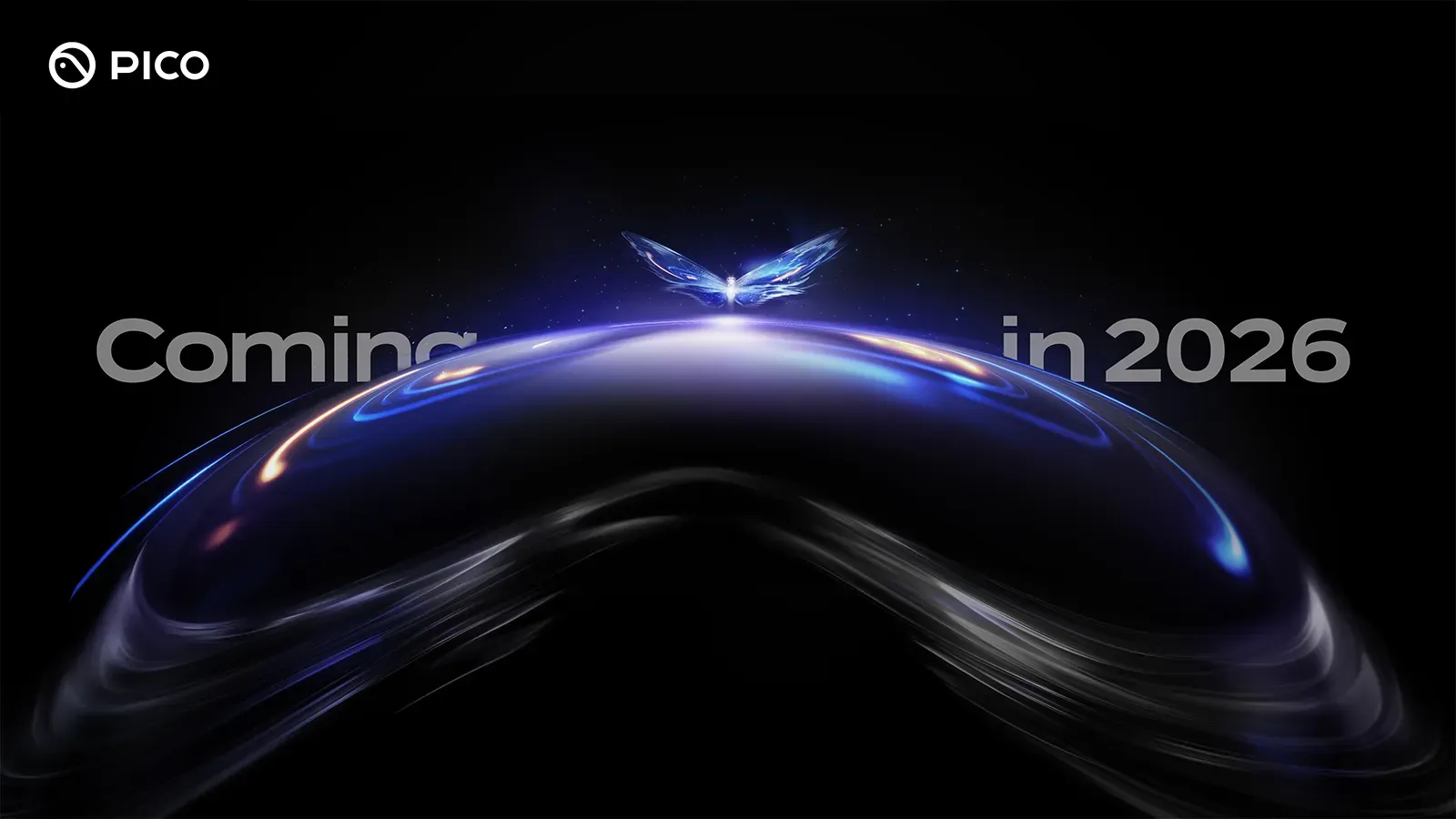
The FCC approval, a pivotal step for any wireless device entering the U.S. market, confirms the readiness of the Pico Space Pro’s wireless functionalities. The device was initially slated for an earlier launch which was postponed to Q4 2026, allowing for critical enhancements. According to ByteDance, the delay aims to incorporate new software functionalities, promising a more comprehensive user experience.
Advancements in Pico Space Pro
Announced under the alias ‘Project Swan’, the headset boasts impressive specifications, including micro-OLED displays with a retina-shattering resolution of 4000 pixels per inch. This marks a leap in display technology, potentially redefining visual quality benchmarks in virtual reality. The dual-chip architecture, featuring a self-developed coprocessor, underscores the device’s emphasis on computer vision and image processing. Moreover, the new main processor is set to deliver enhanced CPU and GPU capabilities, reportedly doubling the performance seen in predecessors like the Snapdragon XR2 Gen 2.
Infrastructure and Design Insights
Though Pico maintained secrecy around the device’s design initially, leaks via a public SDK revealed a headset design seemingly influenced by prominent players like Apple Vision Pro and Samsung Galaxy XR. The design features a rear strap akin to Solo Knit Band and a visor reminiscent of Samsung’s offerings, signifying a blend of existing successful designs with new technological advancements.
In addition, the FCC documentation has elucidated the headset’s technological backbone. Notably, the external tethered puck — identified under FCC ID 2A5NV-B3110 — integrates a substantial 7,000 mAh battery and Wi-Fi 7 capability, suggesting a reliance on this external component for core processing and connectivity functions, akin to Meta’s reported ‘Phoenix’ project.
Detected Pattern: Delegated Cognition
The development of Pico Space Pro is a clear indication of the growing trend towards delegated cognition within AI technologies. The device’s cutting-edge features, like advanced computer vision and image processing, are designed to seamlessly complement and enhance human cognitive abilities, streamlining complex tasks and interactions through intelligent interfaces.
The enhancement delay marks a strategic decision to optimize the user interface and overall user-centric experience, reflecting the industry’s broader commitment to integrating sophisticated AI systems into everyday tech tools.
Market Implications
Pico’s current delay strategy reflects a broader trend in the tech industry, where improving software ecosystems is seen as crucial as hardware advancements. The company’s commitment to expanding its early-access program seeks to involve more end-users in refining the product, indicating an emphasis on consumer-driven development. This further establishes a feedback loop crucial for product optimization, impacting market readiness and consumer acceptance.
As the official launch of Pico Space Pro approaches, it is poised to contribute significantly to the VR space by offering a device that marries advanced technological features with a user-focused experience. ByteDance’s strategic delay aligns with the evolving trend of prioritizing comprehensive user engagement over hasty market entry.
Monitoring continues.