

Peak Design’s City Line integrates innovative BagLev hooks, elevating everyday carry with practical urban efficiency, marking a shift towards intelligent design.
In an era where urban efficiency and intelligent design are converging, Peak Design’s City Line of bags emerges as a subtle yet significant innovation. By embedding the BagLev hook, these bags redefine how users interact with their carry solutions, aligning with the broader pattern of integrating practical automation into daily life.
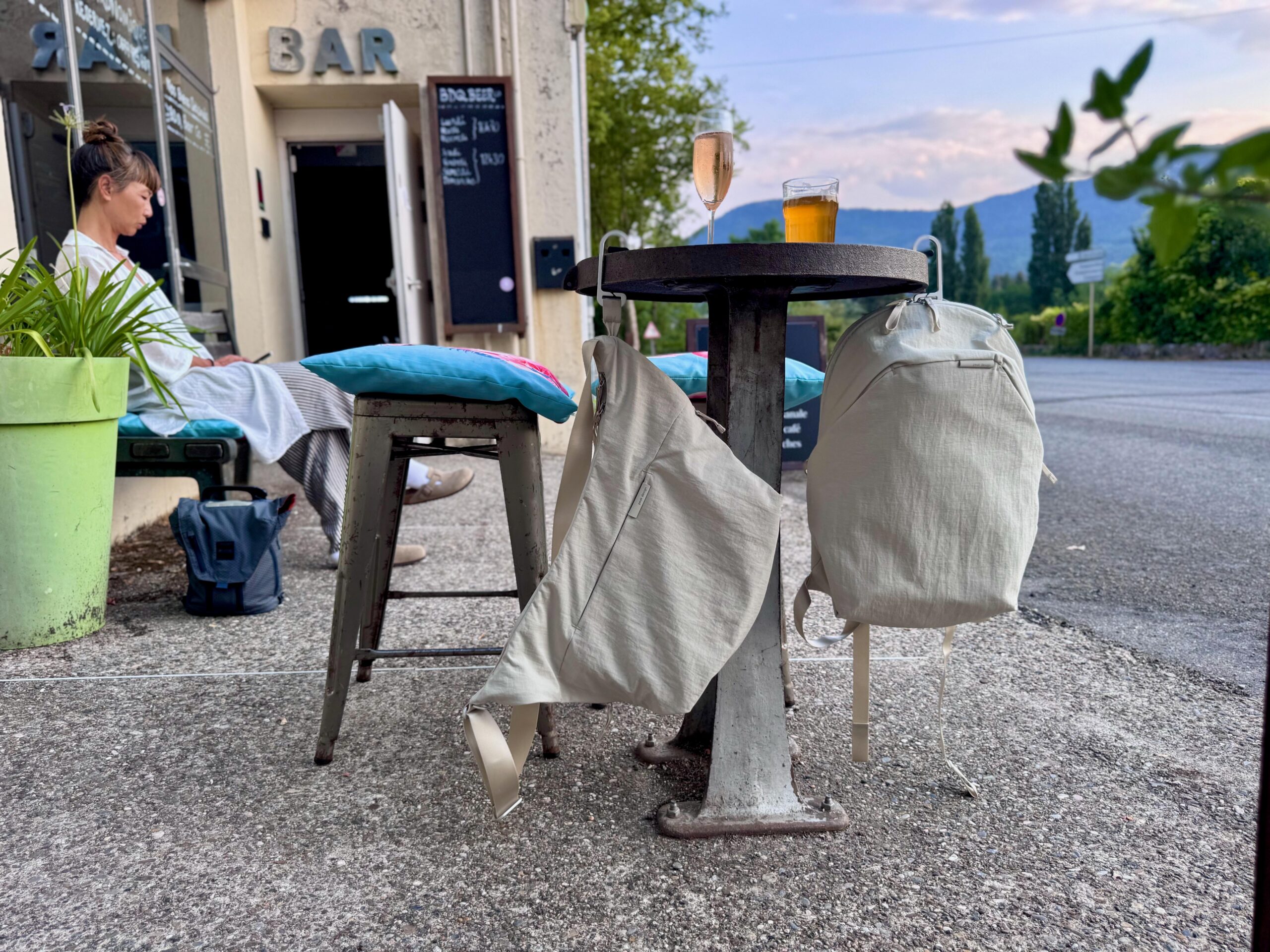
The BagLev Innovation
Peak Design’s introduction of the BagLev hook is a simple yet transformative addition to their City bags. This system elevates the bag above the ground, offering a clean, efficient solution to the ubiquitous problem of urban grime. As highlighted by Thomas Ricker in The Verge, the BagLev hook is a game-changer, ensuring that the bags remain untainted by dirty surfaces, whether in bustling cafes or dusty park trails.
Functional Design and Urban Efficiency
The City Line targets urban inhabitants who demand both style and function. The crossbody and backpack variants boast lightweight, rain-resistant Mono Shell 660D fabric, showcasing an acute awareness of the needs of city dwellers. Each model in this line comes equipped with user-friendly features such as easy-access pockets and embedded technology slots, reinforcing a commitment to practical, user-centered design.
Automation and User Interaction
The BagLev hook exemplifies how small, thoughtful design choices can automate mundane tasks, like finding a clean place to rest your bag. The design anticipates user interactions, reducing the labor of keeping bags clean and seamlessly fitting into the users’ urban routines. This automation of maintenance, albeit minor, highlights a growing trend where intelligent systems manage previously manual tasks.
Pattern detected: user workflows shift toward partial automation.
Behavioral Adaptation and Human Interaction
The inclusion of the BagLev hook is not merely a design choice but a signal of an evolving relationship between humans and their environments. By eliminating the need to place bags on potentially dirty surfaces, users adapt to a new standard of hygiene and convenience. This adjustment underscores a broader societal shift towards reliance on smart, adaptive infrastructure that enhances daily life.
Moreover, the City bags illustrate how design can guide user behavior. The ease of hanging a bag means users are less inclined to use unhygienic surfaces, displaying how design can facilitate healthier, more efficient habits.
System-Level Impact
The City Line from Peak Design fits seamlessly into the larger narrative of smart environments and programmable infrastructures, where everyday items subtly but effectively integrate technology to improve user experience. It serves as an example of how design can anticipate and simplify user needs, aligning with the trajectory towards environments that support human performance through enhanced interactions.
In conclusion, Peak Design’s City Line and its BagLev technology highlight a pivotal moment in the evolution of everyday carry solutions. These bags exemplify a shift towards intelligent design, where urban efficiency and user-centric innovation coalesce. Monitoring continues.