

The Oto Smart Sprinkler leverages solar power to redefine lawn care, emphasizing automation and efficiency. This system marks a shift in smart home technology, allowing for streamlined operation free from traditional power constraints.
The Oto Smart Sprinkler, a product emblematic of the growing trend toward integrating solar technology into everyday automation, stands out in the crowded market of smart home devices. As the world inches towards renewable energy, Oto’s solar-powered functionality redefines usability and ease of installation, setting it apart from traditional models that rely on cumbersome electrical setups.
Design and Functionality
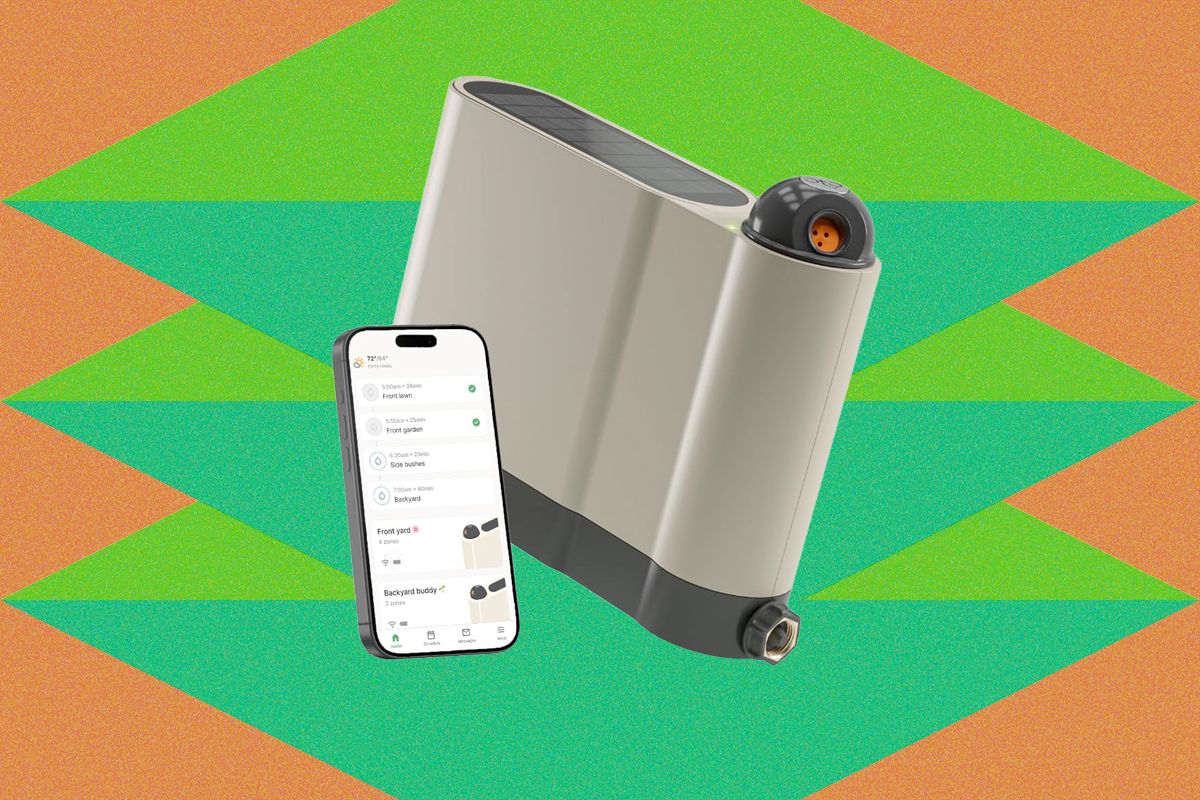
At a compact 16 x 12 x 4 inches, the Oto Smart Sprinkler disproves the notion that size dictates capability. Despite its relatively small stature, Oto provides robust functionality—covering up to 5,000 square feet of lawn with strategic water distribution. Leveraging a 2.2-watt solar panel, it operates independently of fixed power sources, solving a common pain point in smart lawn care systems.
Beyond its compact design, Oto’s solar reliance marks a significant departure from traditional models. These typically require extensive electrical wiring, which can be logistically challenging and aesthetically unappealing. By contrast, Oto’s solar panel supports flexible placement options, ensuring its internal battery remains charged without the need for intrusive power cables.
Automated Precision
The accompanying app facilitates an intuitive setup, connecting via 2.4-GHz Wi-Fi to integrate seamlessly with modern smart home networks. Users can define precise watering zones, optimizing water distribution to match specific landscape features. This precision echoes a shift from manual intervention to delegated control, reducing user workload on lawn maintenance.
While all systems can experience variability in water pressure, Oto’s design minimizes these effects, achieving consistent coverage within predefined zones. The app allows users to adjust schedules and watering parameters, incorporating real-time weather intelligence to avoid unnecessary water usage, thus enhancing environmental responsibility.
Adaptive Intelligence and User Experience
The integration of weather-based adjustments highlights Oto’s adaptive capabilities. By analyzing climate conditions via internet data, it dynamically adjusts its watering schedule to account for rain or high winds. This automation pattern reduces ecological impact and optimizes resource efficiency.
Beyond mere functionality, Oto engages users with a playful touch through its “play mode,” transforming the sprinkler into an interactive experience. This feature not only enhances user interaction but fosters engagement with technology in domestic environments.
System-Level Shift
Pattern detected: domestic environments advance towards software-directed, energy-efficient solutions.
The introduction of solar technology in smart devices such as Oto represents a pivotal system-level shift. Domestic landscapes are increasingly mediated through automated, software-driven interfaces, transitioning from manual adjustments to precision-driven operations. This shift aligns with broader consumer behavior trends towards adopting energy-efficient technologies.
Oto’s reliance on solar energy also underscores an industry shift towards sustainable practices, reducing dependency on non-renewable energy and promoting environmentally conscious design in home automation systems.
Market Implications and Future Outlook
Oto’s entry into the market at a competitive price point suggests potential shifts in smart home device pricing structures. As similar products continue to adopt solar technology, we may anticipate a broader price recalibration as companies strive for market differentiation through sustainable innovations.
This aligns with observed shifts in consumer preferences, where awareness and demand for environmentally friendly solutions drive the development of next-generation smart systems.
In summary, the Oto Smart Sprinkler exemplifies a comprehensive transition towards sustainable automation. By integrating solar power and advanced software management, it not only addresses immediate consumer needs but also signals an evolving landscape of smart infrastructure.
Monitoring continues.